DESERT SHARDS: A MUSEUM PROJECT
ARCH 502A | FALL 2025
The Joshua Tree Art Museum – JOSH is conceived as a cultural oasis in the high desert, where architecture, landscape, and art are integrated into a continuous spatial experience. Located on a sloped 2.5-acre site, the project organizes galleries, artist residencies, and public programs alongside outdoor sculpture gardens, a restaurant, and event spaces, creating a destination that extends beyond exhibition into everyday social life. Rather than a singular object, the museum operates as a network of indoor and outdoor environments that frame both art and the surrounding desert as parallel subjects. By responding to the terrain, climate, and expansive views, the design blurs boundaries between interior and exterior while fostering community engagement through flexible, open-ended spaces. JOSH ultimately positions itself as both a landmark and a living cultural platform, supporting contemporary artistic production while grounding itself in the ecological and social context of Joshua Tree.
Collage Study
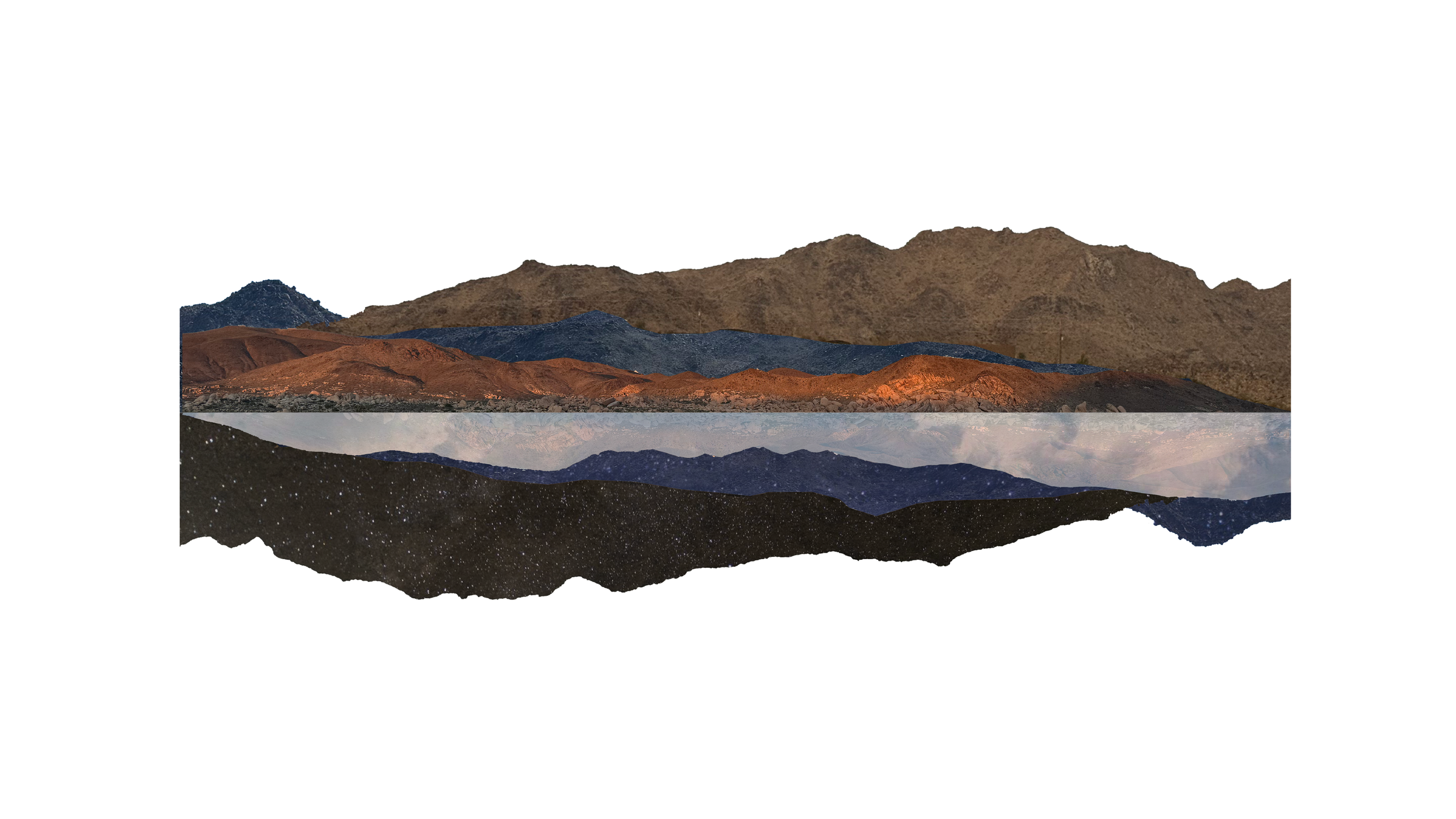
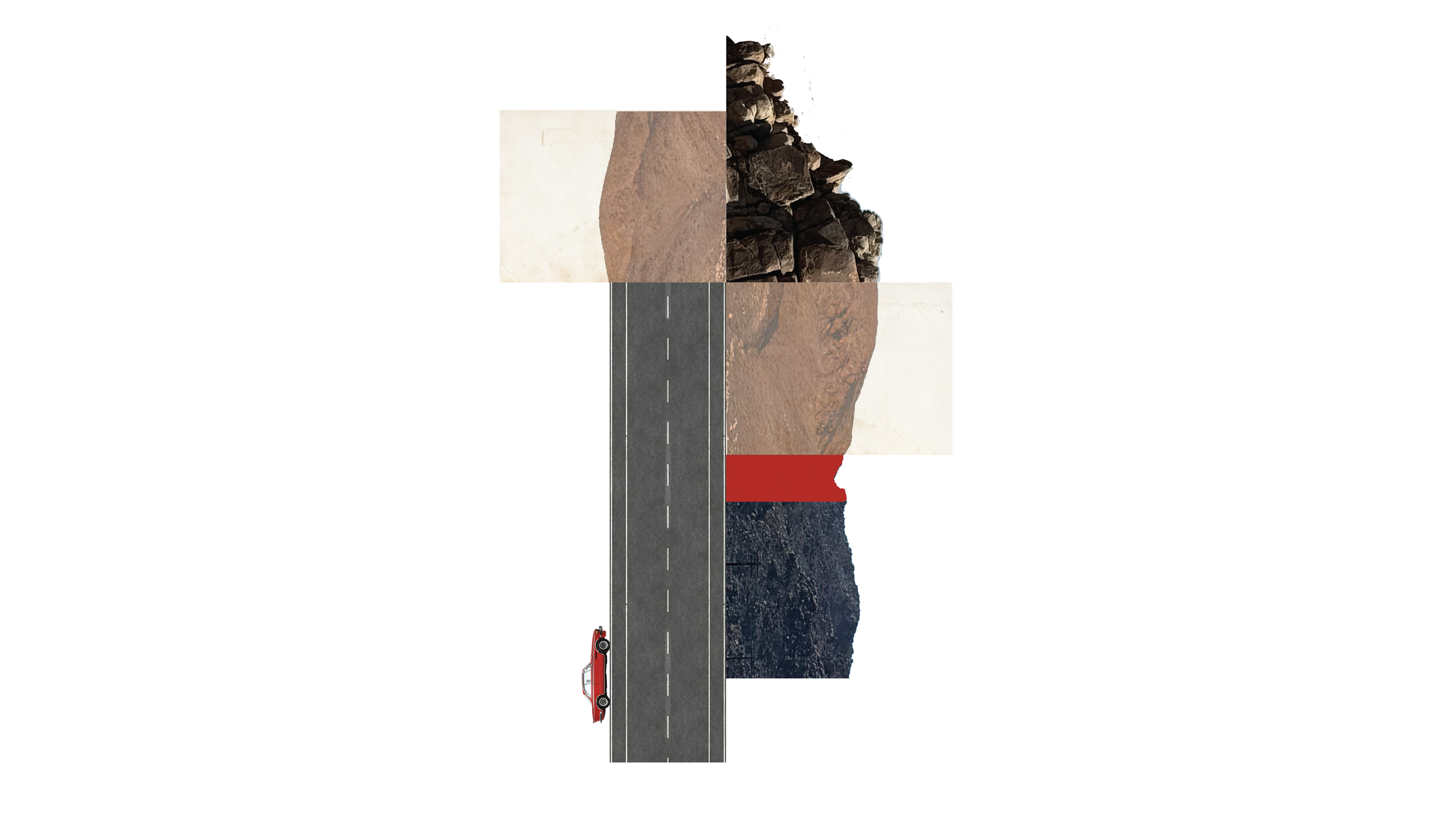
The project begins with the site as a generator, explored through sectional collages that reinterpret the desert as a layered system of surface, depth, and atmosphere rather than a flat ground plane. These studies introduce architecture as a geological act, where a linear cut through the terrain reveals shifting material conditions and transforms the ground into a field of operations. Rather than adding form, the project operates through subtraction by cutting, separating, and displacing mass to produce space. This process leads to the development of the shard language, where architectural elements emerge as fragments of the ground, lifted and shifted from a continuous surface. Ultimately, the project frames architecture not as an object placed in the desert, but as something carved from it.
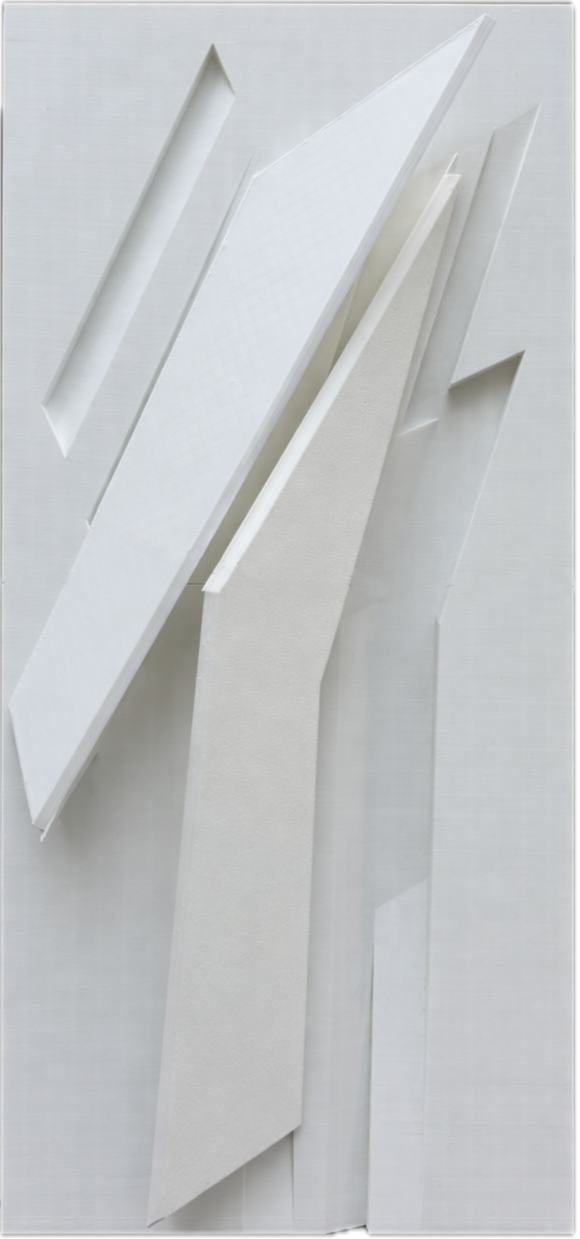
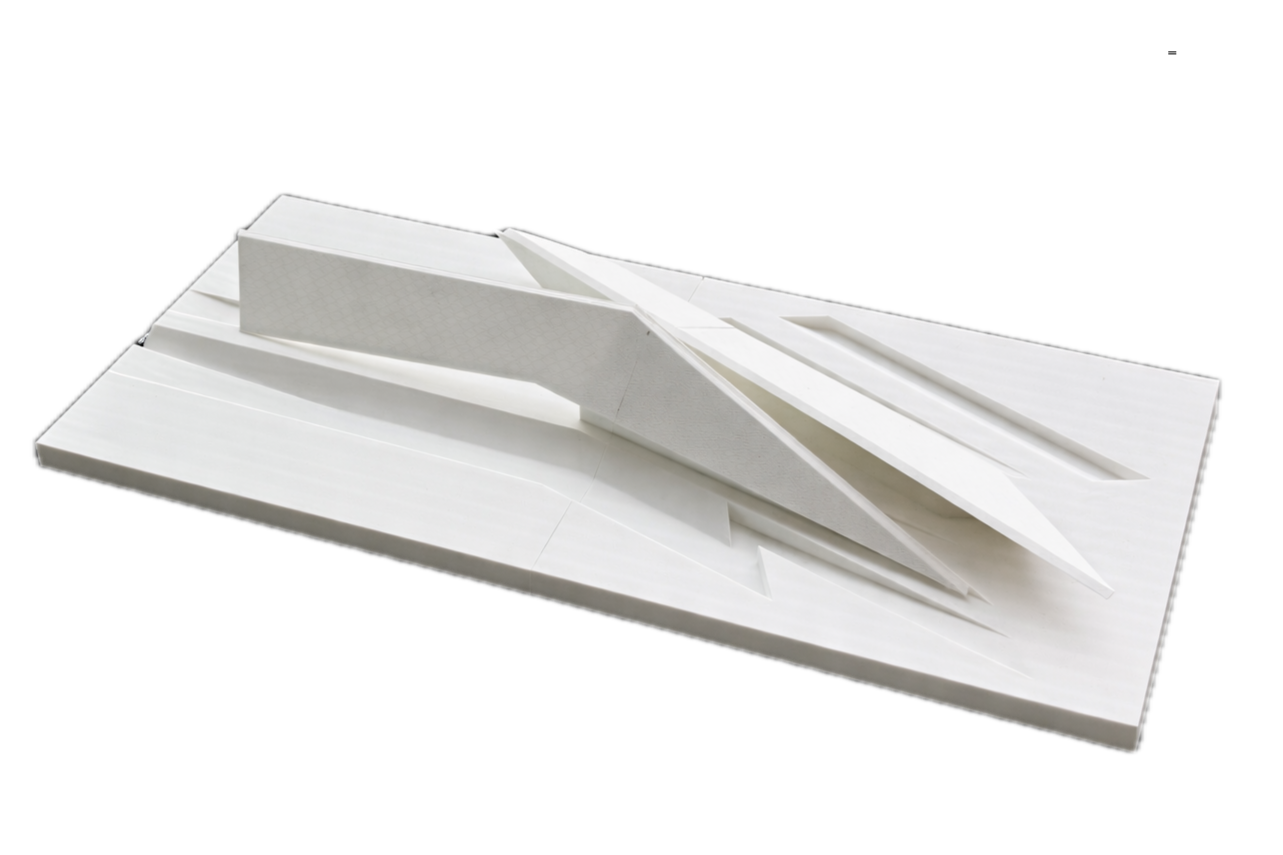
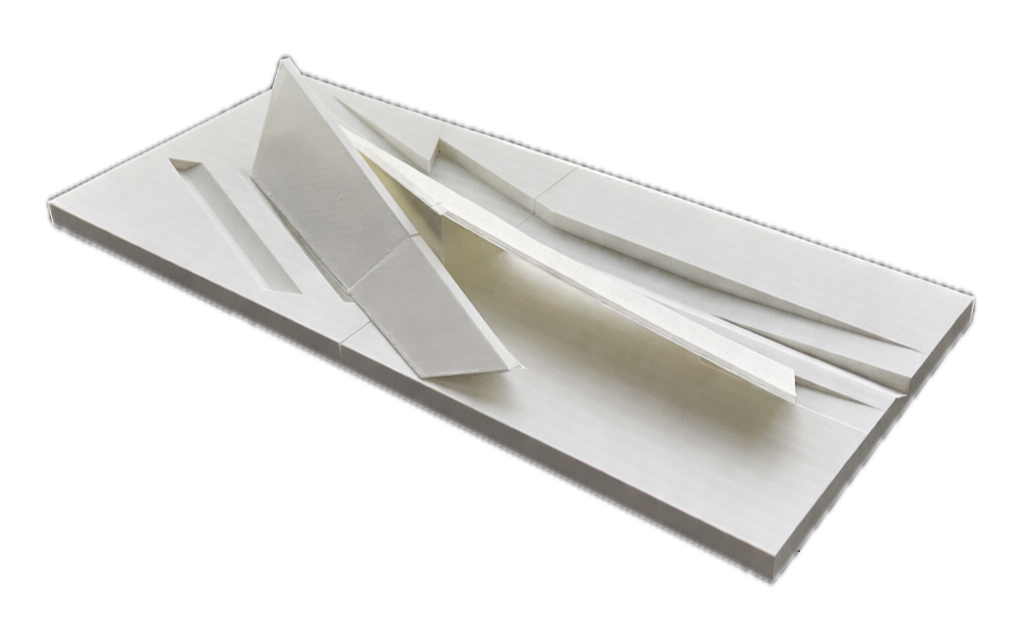
Study Models
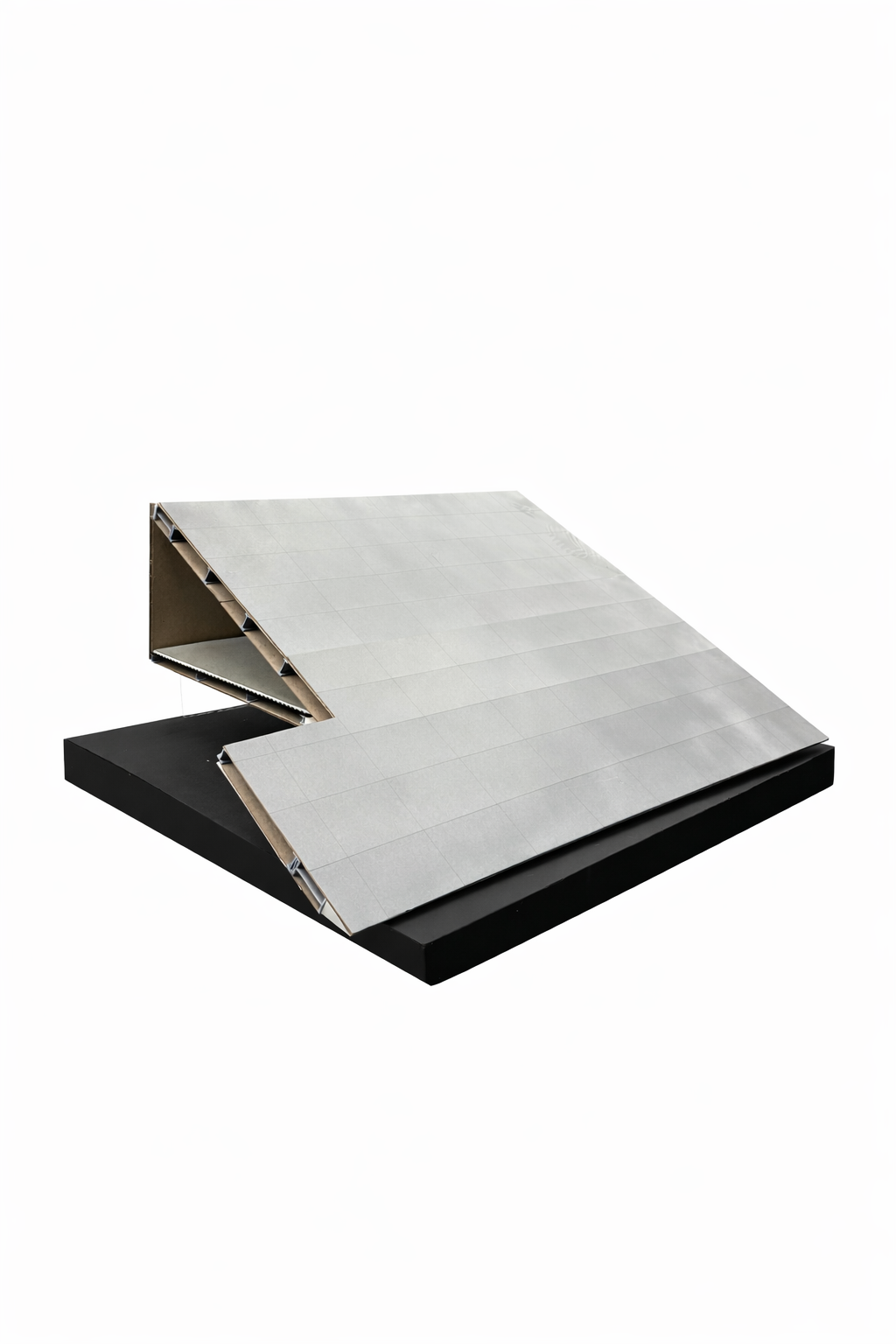
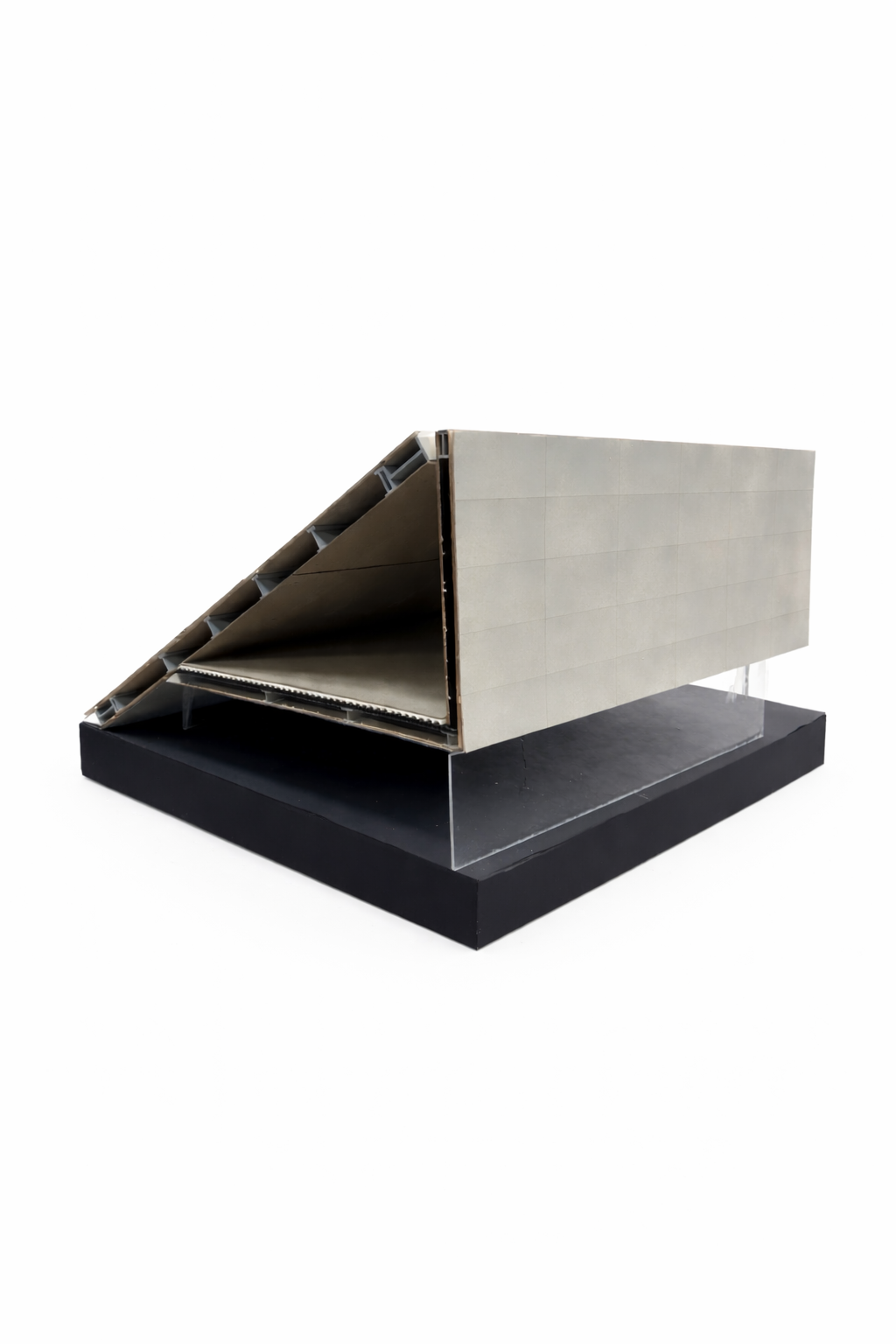
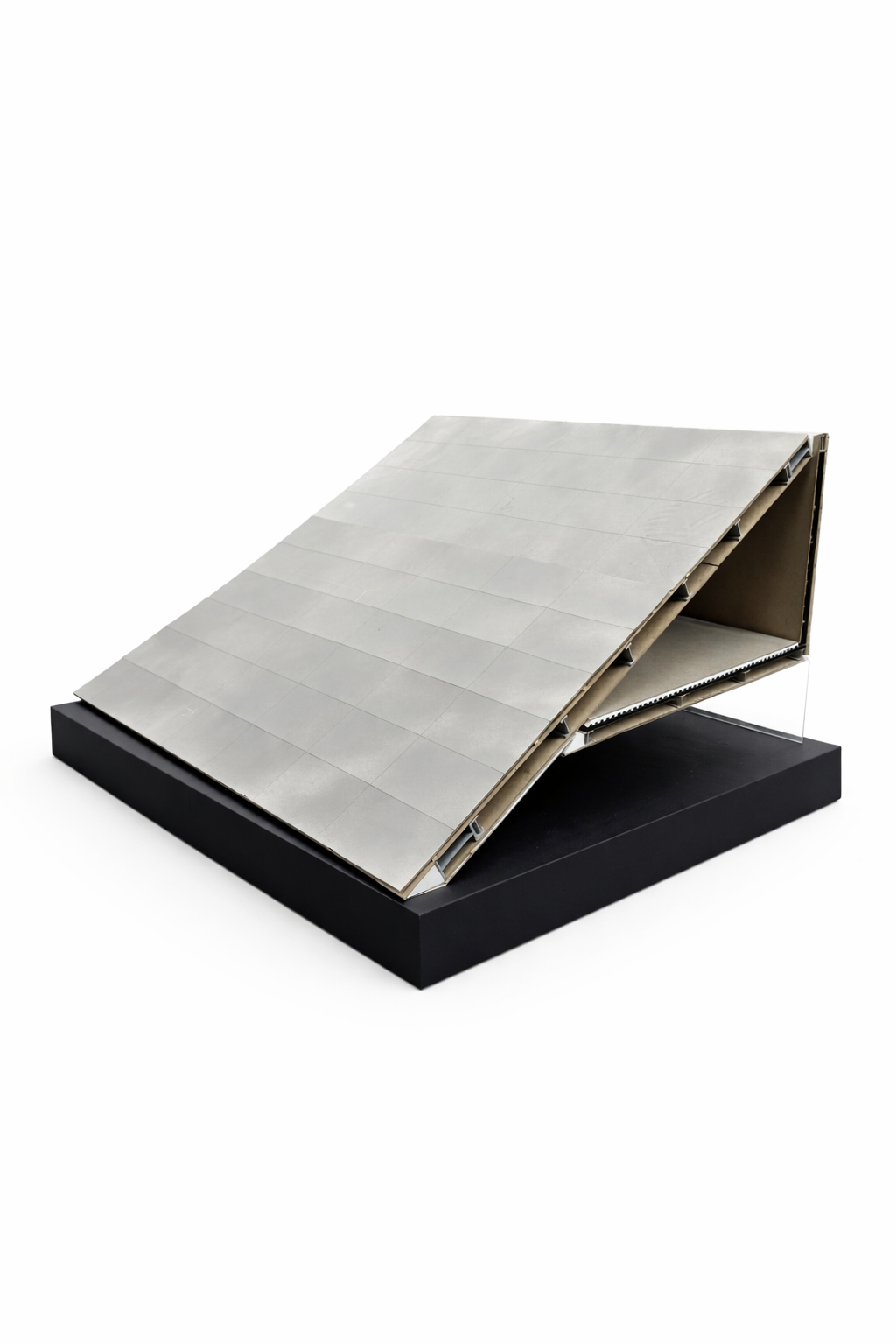
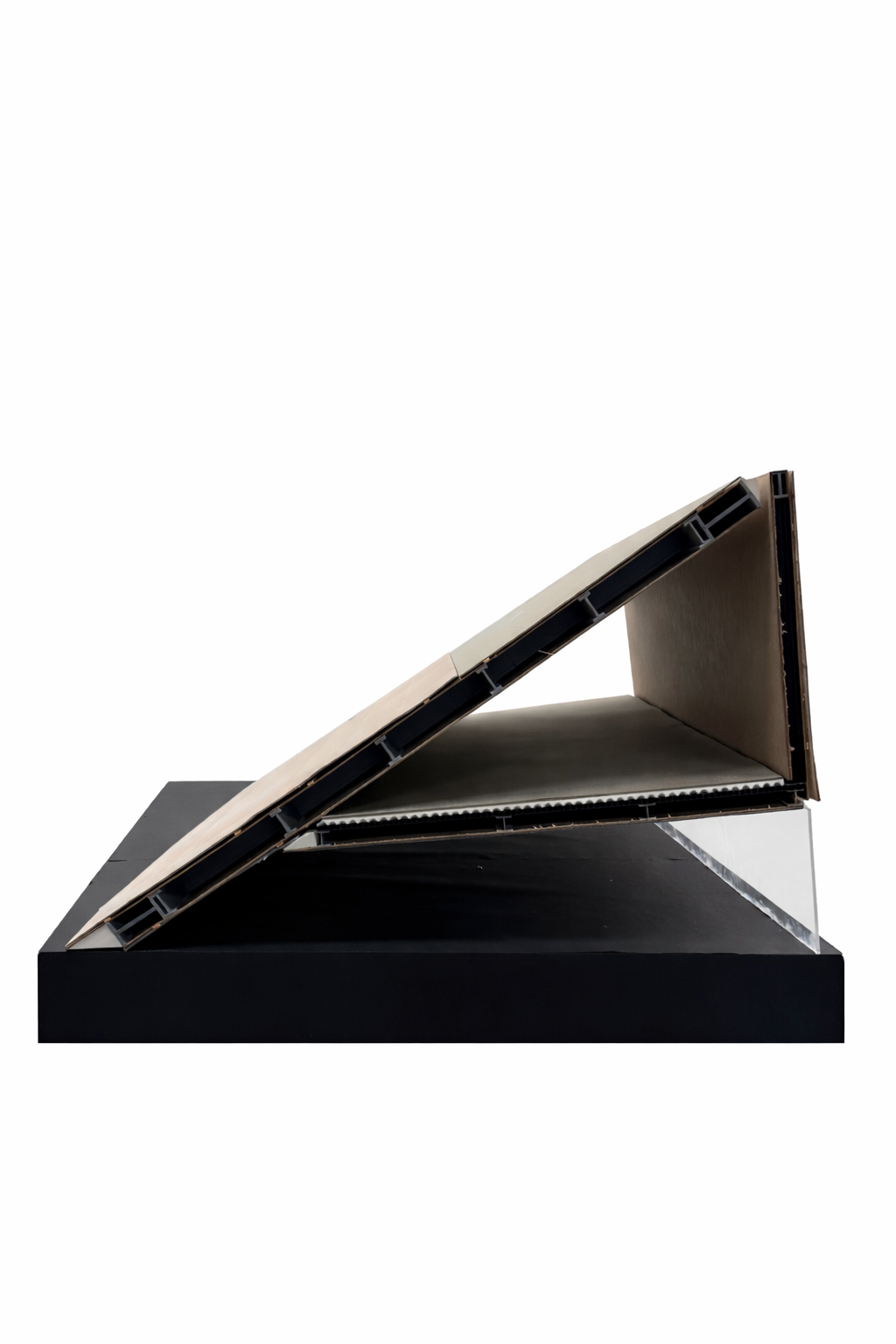
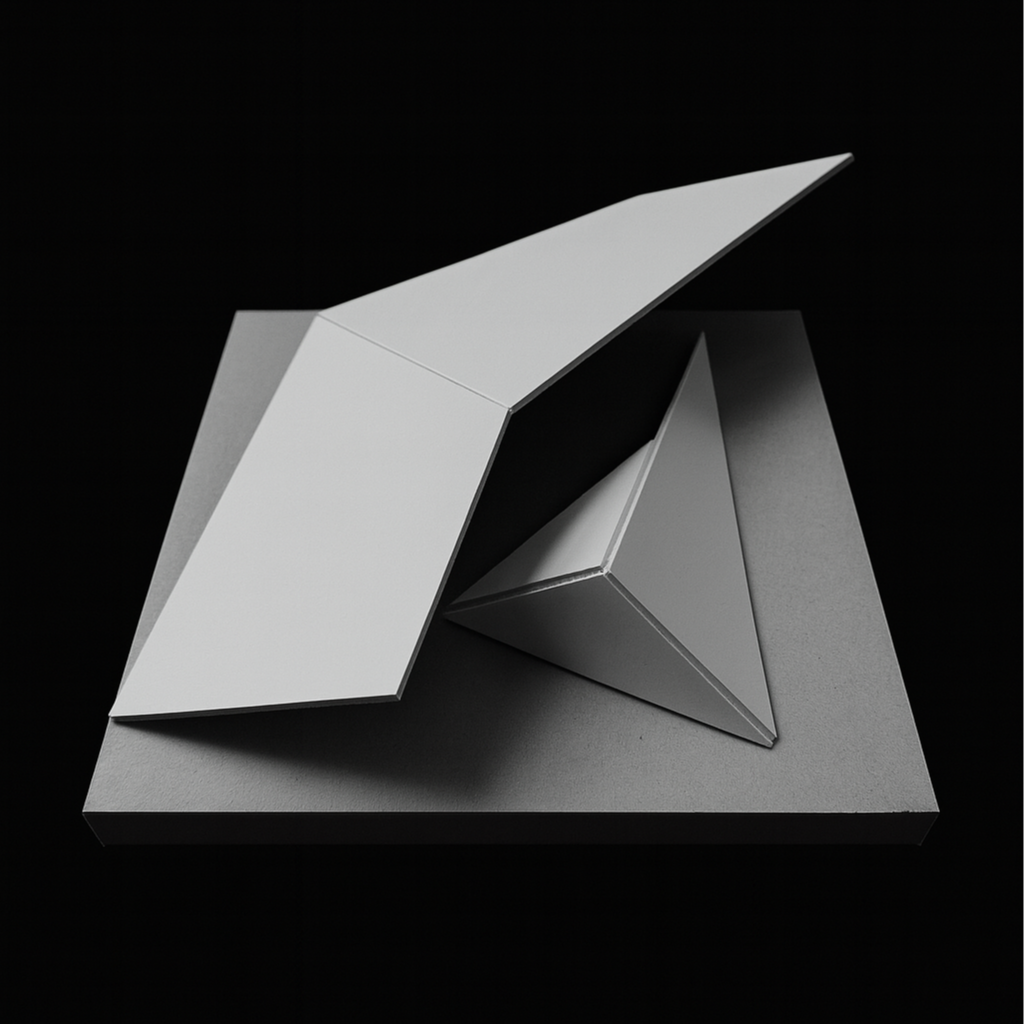
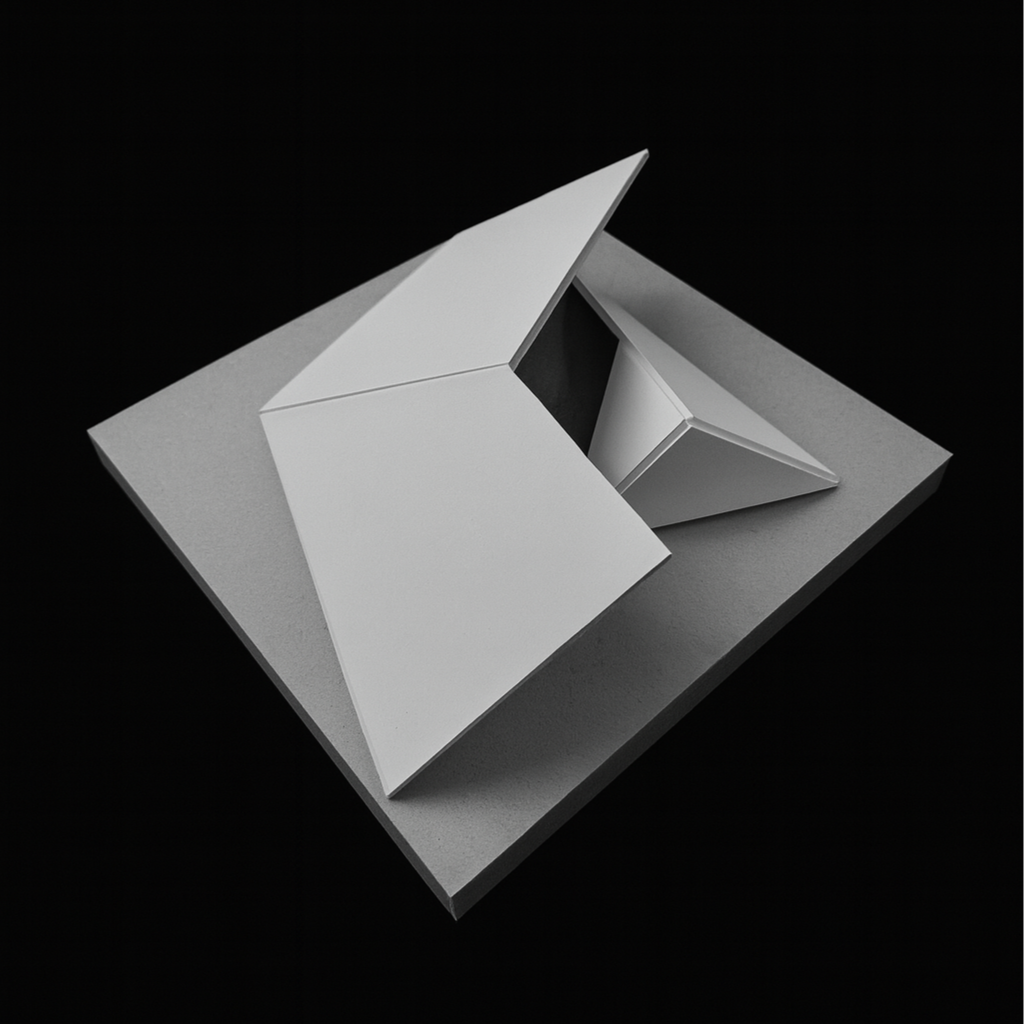
The concept models explore cleaving the ground through folded and displaced planes that read as fragments of a continuous surface. A larger plane is lifted while a smaller volume remains embedded, establishing a relationship between extraction and displacement. The space between them becomes the architecture, where separation defines entry, light, and spatial tension.
The Design
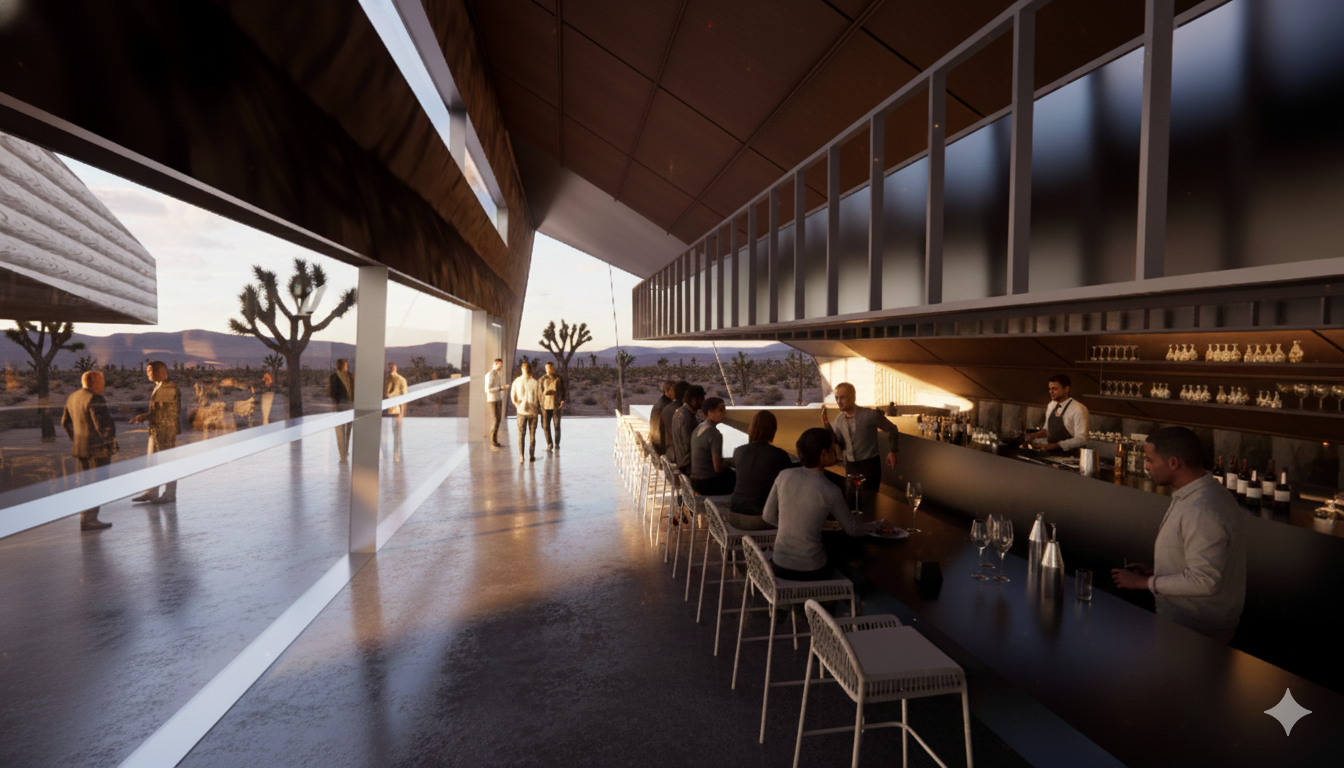
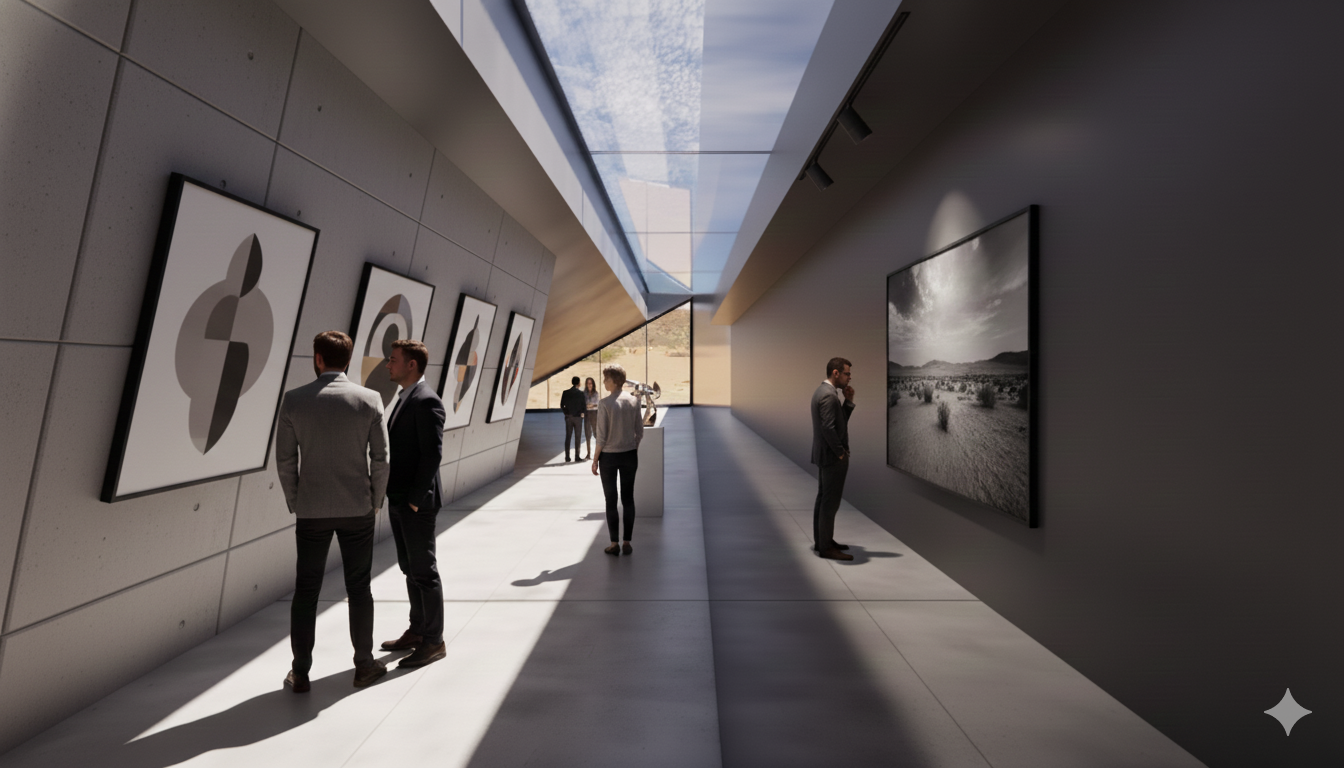
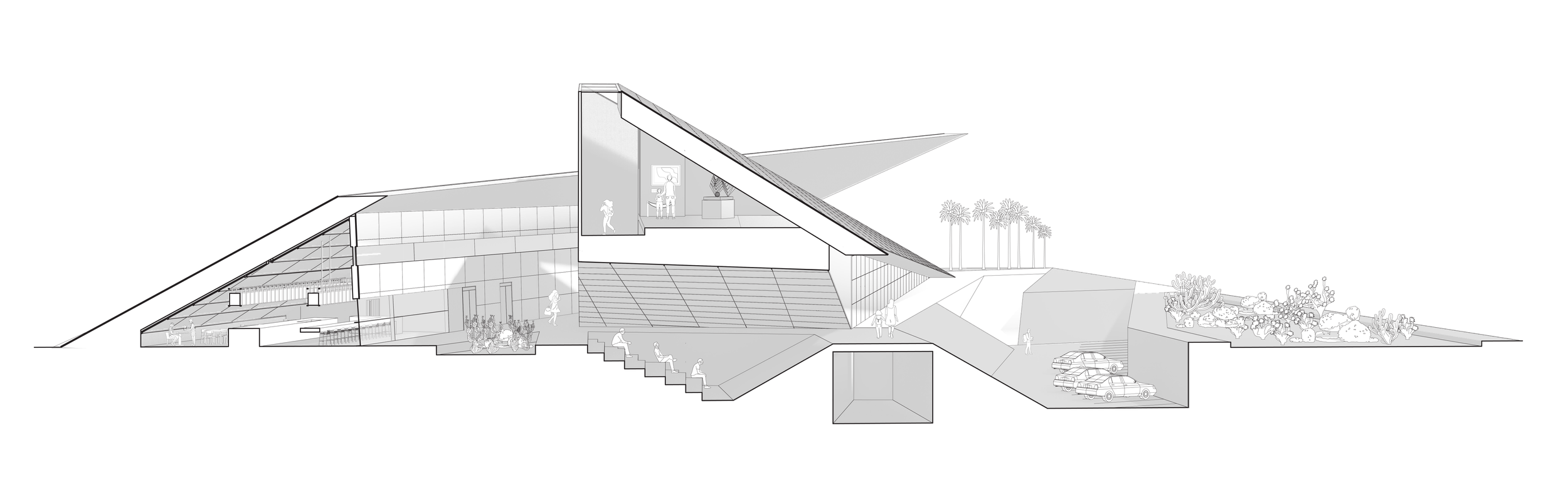
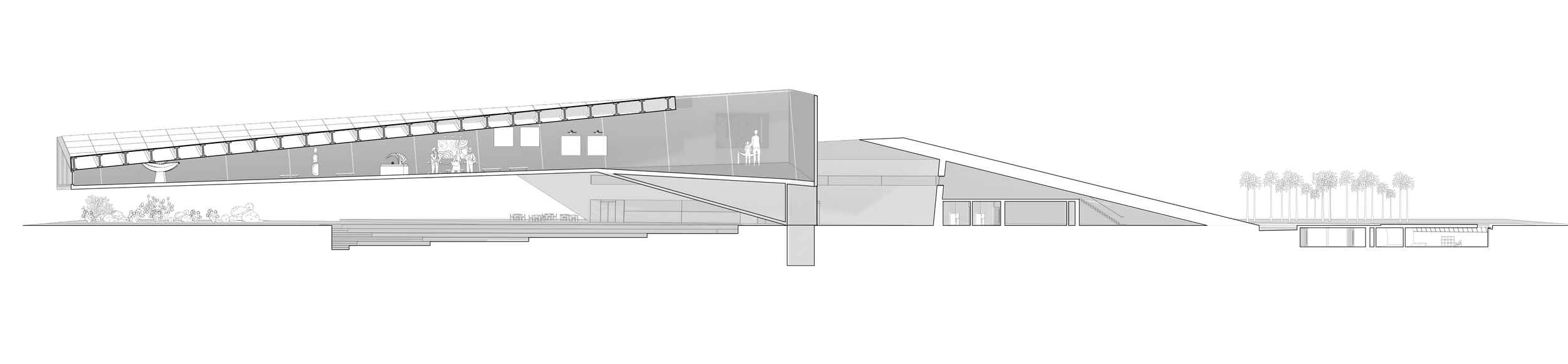
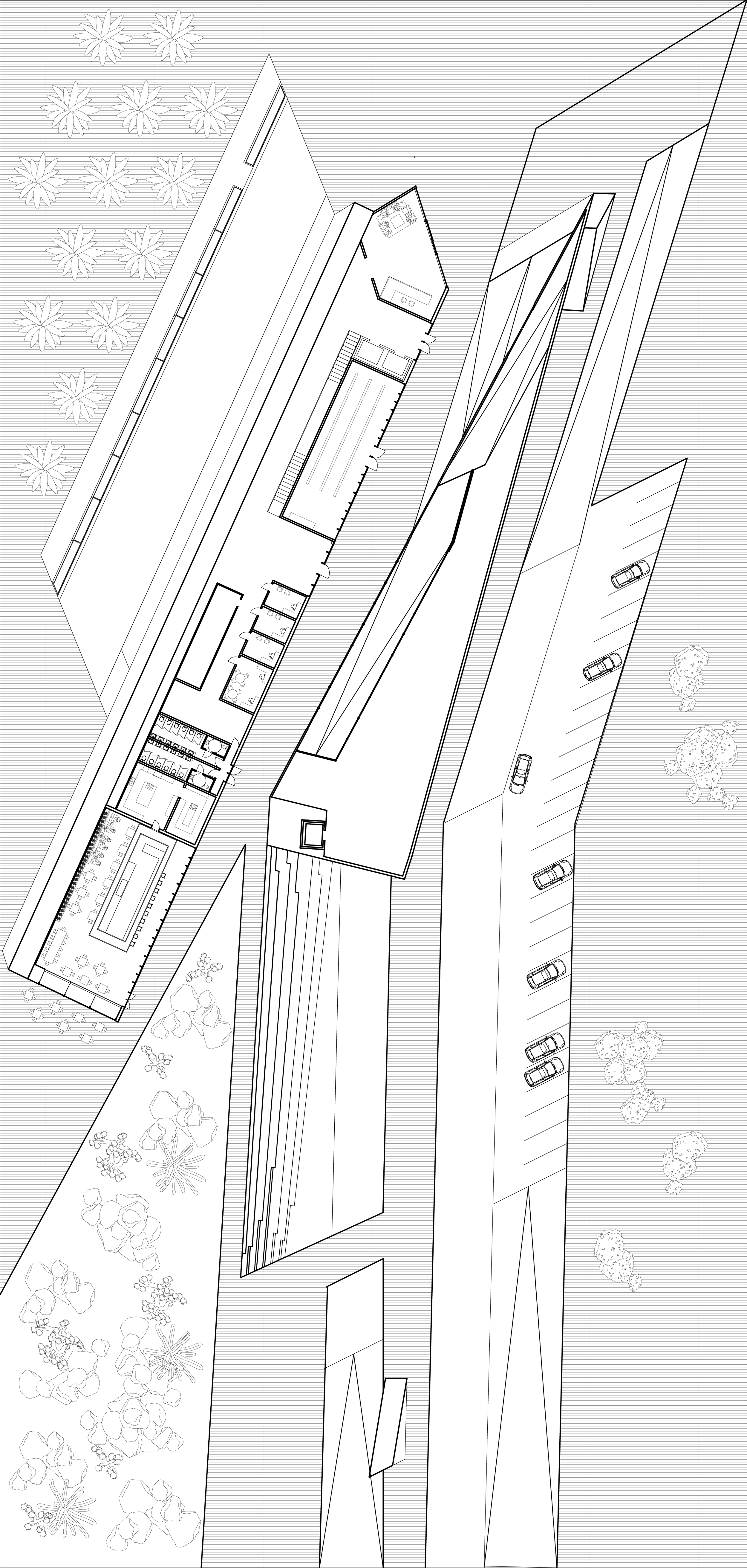
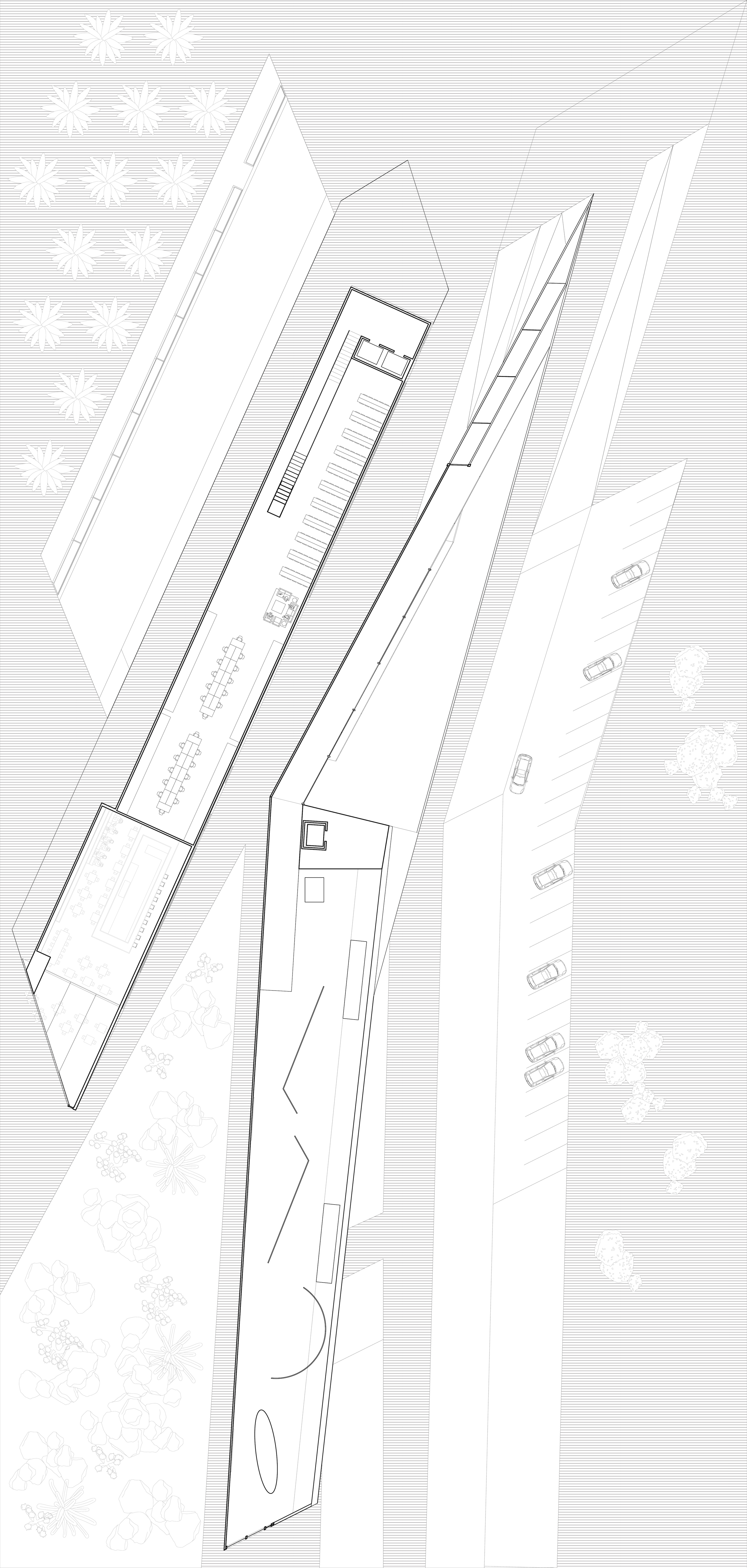
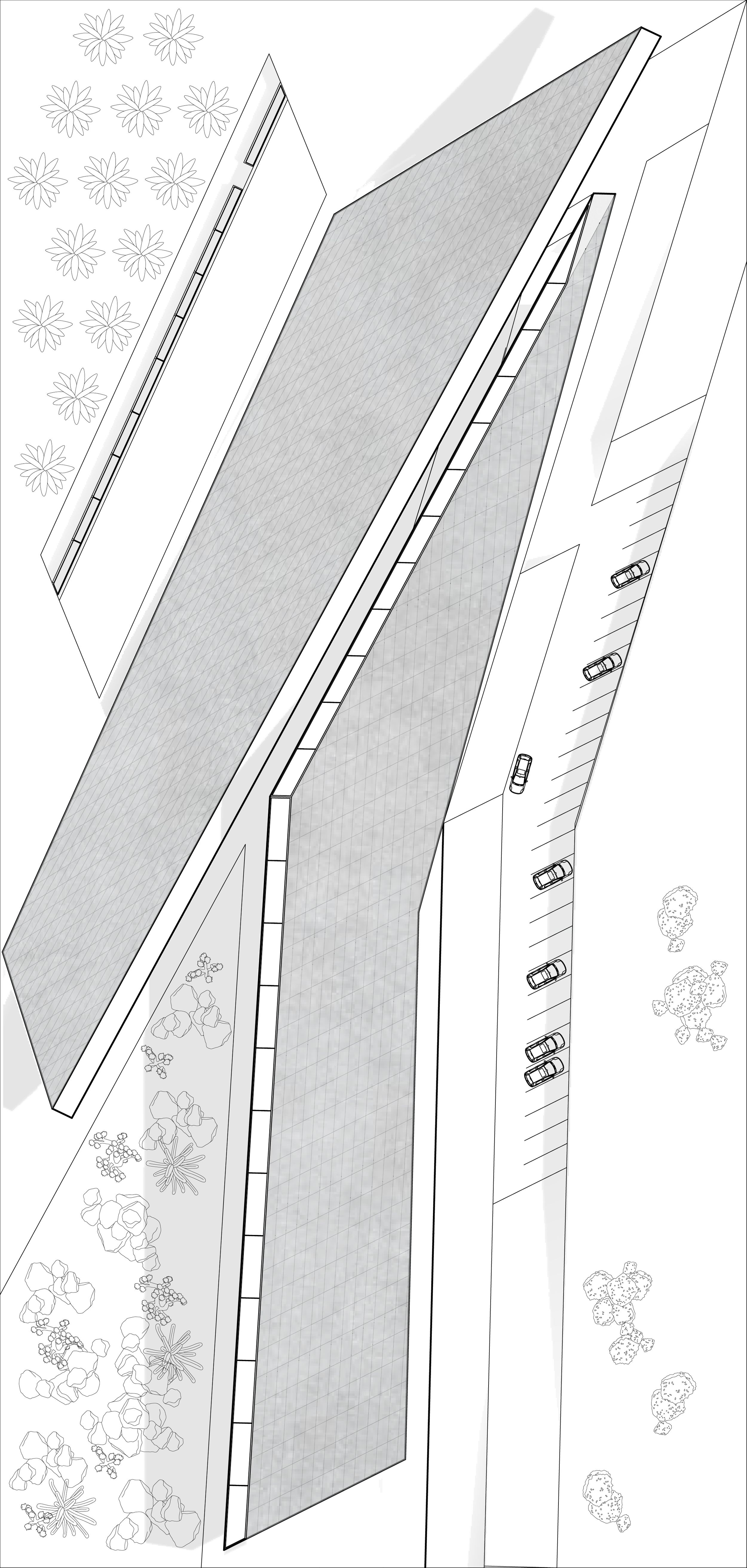
The project is formed by cleaving the ground into a series of concrete shards that are lifted and shifted to create space. These fragments define a sequence of compressed and open conditions, where light enters through the gaps created by their separation. The building emerges as an extension of the desert, organizing movement and experience through cuts rather than enclosed rooms.


BASEMENT PLAN
SECOND FLOOR PLAN
ROOF PLAN
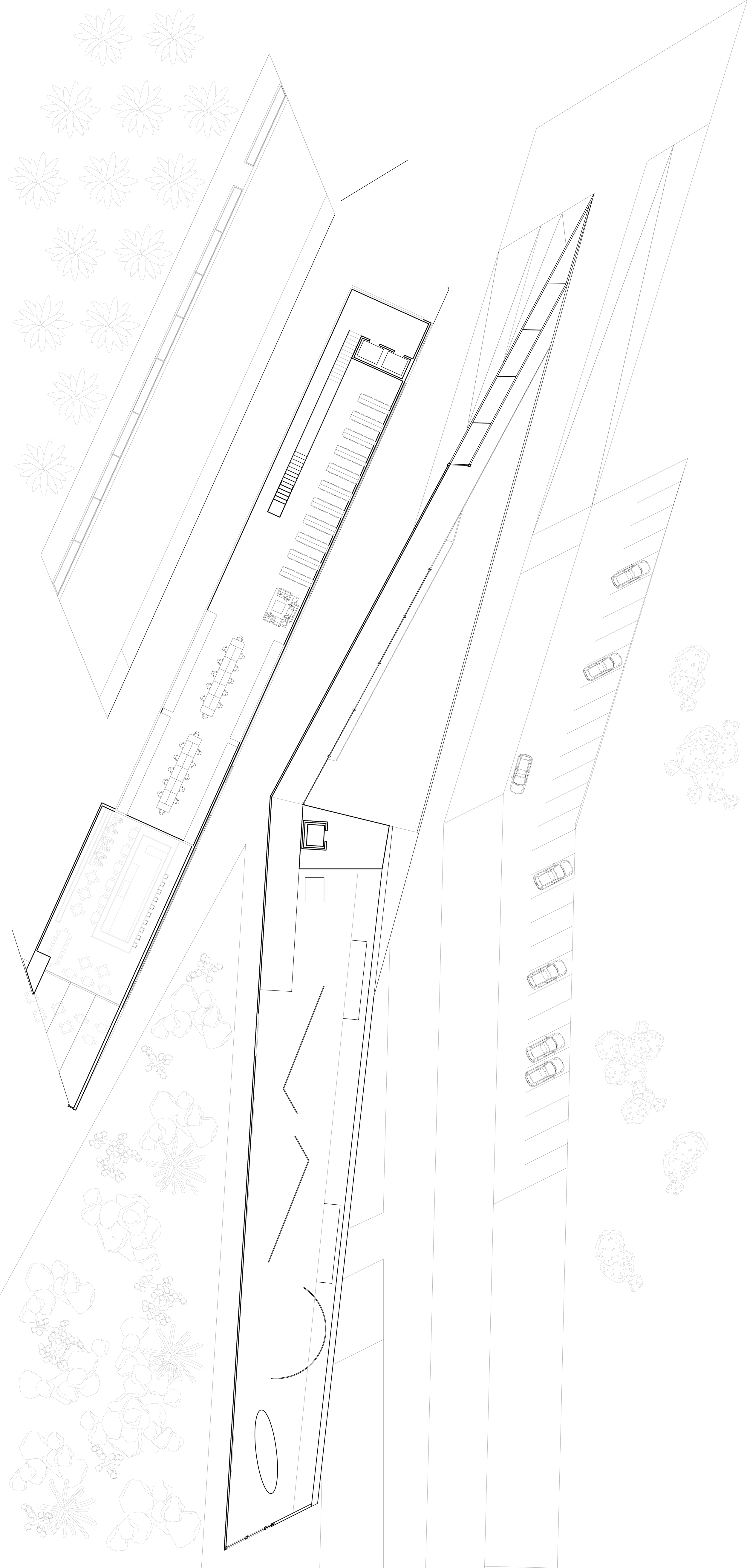
FIRST FLOOR PLAN
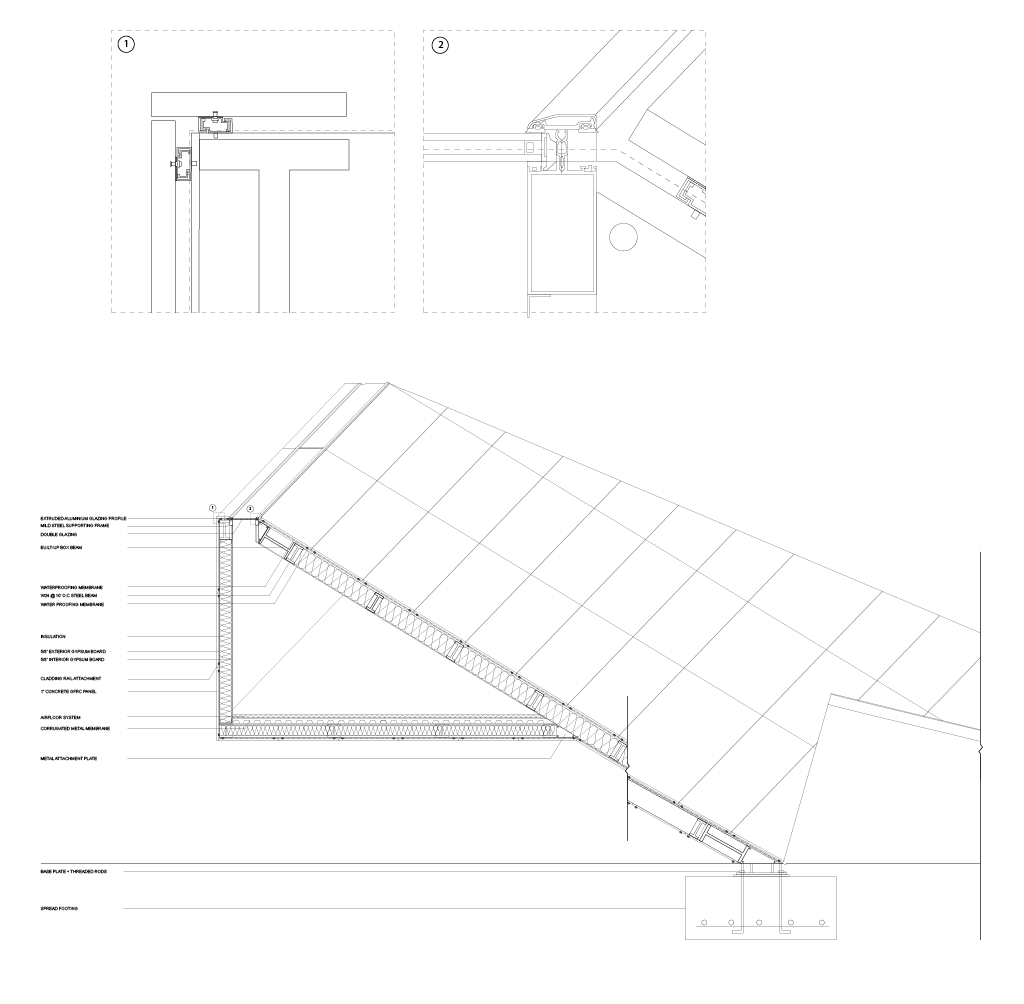
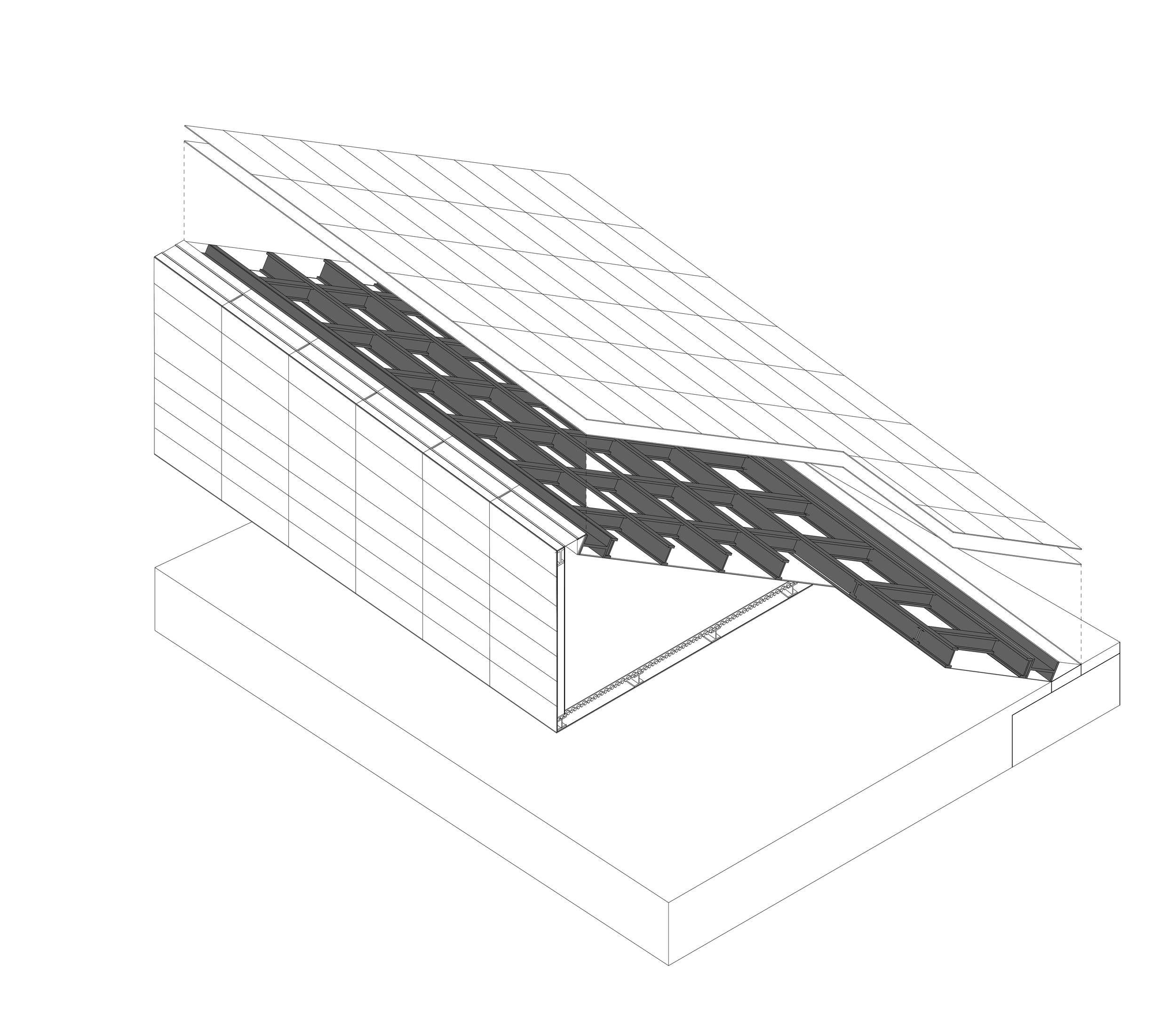
STRUCTURE