THE KTT PROJECT:
LE CORBUSIER’S MAISON DOM-INO,
THE HO CHI MINH CITY KHU TAP THE,
& THE ARCHITECTURE OF DOMESTIC SPACE
UAH + USC Design Research Workshop Fall 2024
University of Architecture Ho Chi Minh City
USC Architecture Asian Architecture Landscape + Urbanism (AALU)
Faculty: Dr. Vũ Thị Hồng Hạnh, Vice Dean
Phan Lâm Nhật Nam, Lecturer, UAH
Gary Paige, Prof. of Practice, USC
Building: CHUNG CU’ THANH DA LO F
Nguyen Đức Tài Pham, Minh Huy Đo, Ngoc Phương Vy Nguyen
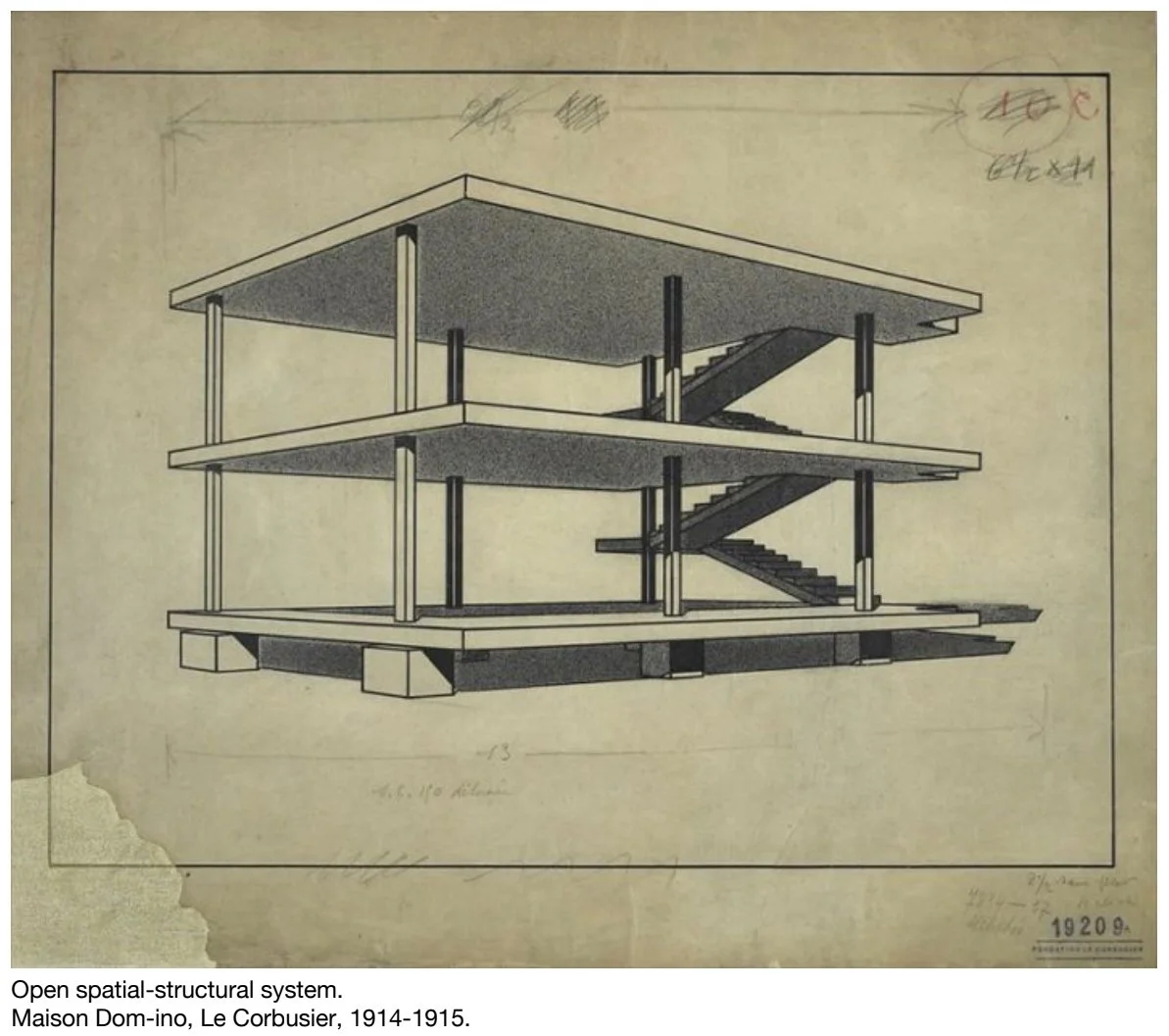
Maison Dom-Ino & the Ho Chi Minh City Khu Tập Thể (or Apartment Block)
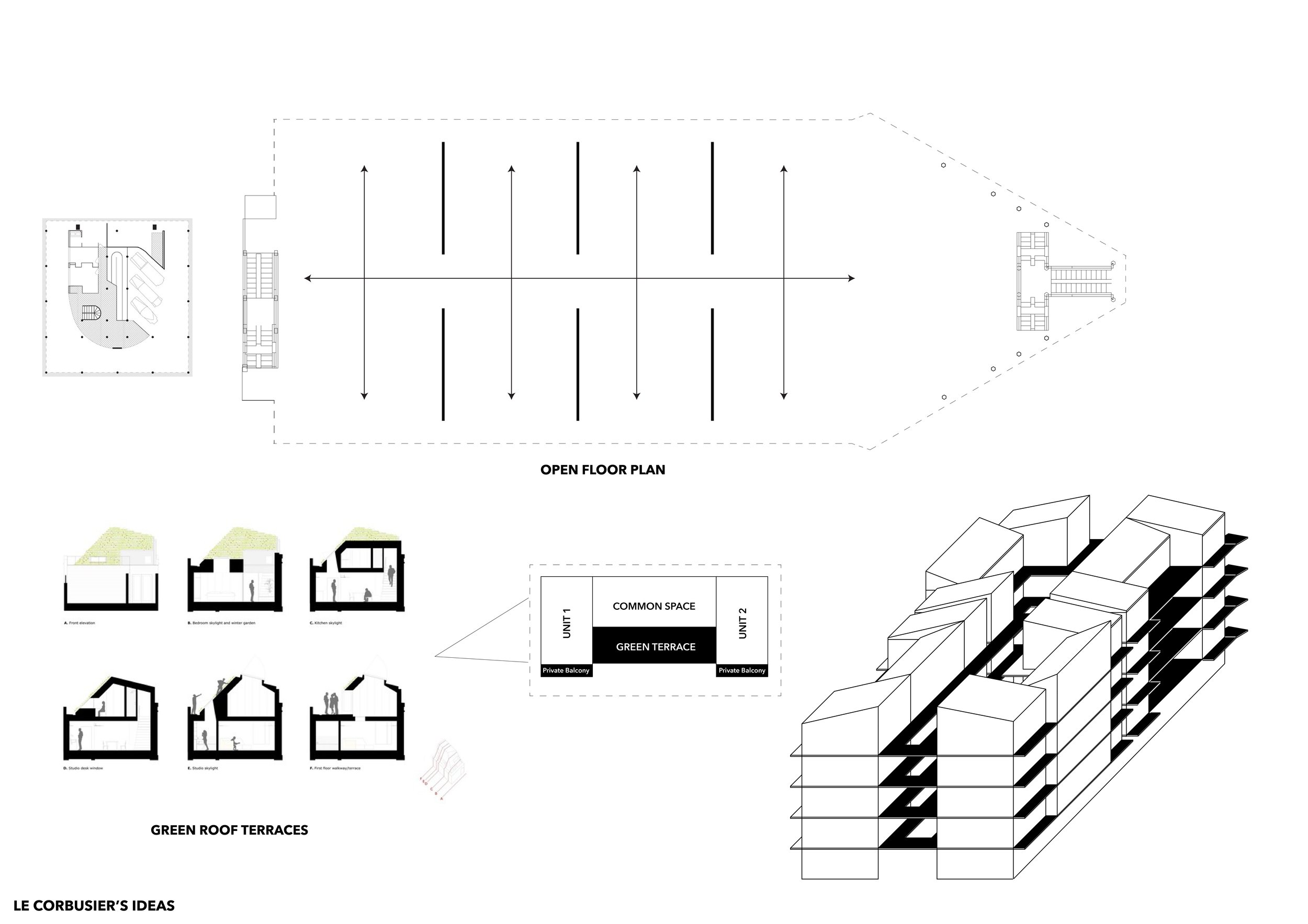
In 1914 Le Corbusier developed a seminal drawing for a concrete post and slab structure with a staircase and an open floor plan that could be arranged in various ways to accommodate a multiplicity of living scenarios. The influence of this idea cannot be underestimated. Any survey of modern Vietnamese collective housing provides clear evidence of the pervasiveness of the system. Consequently, the point of departure for the design research and proposals will consist of the following:
1. Develop case studies or “close readings” of selected Khu Tap The (KTT) housing projects in
HCMC through graphic documentation and analysis.
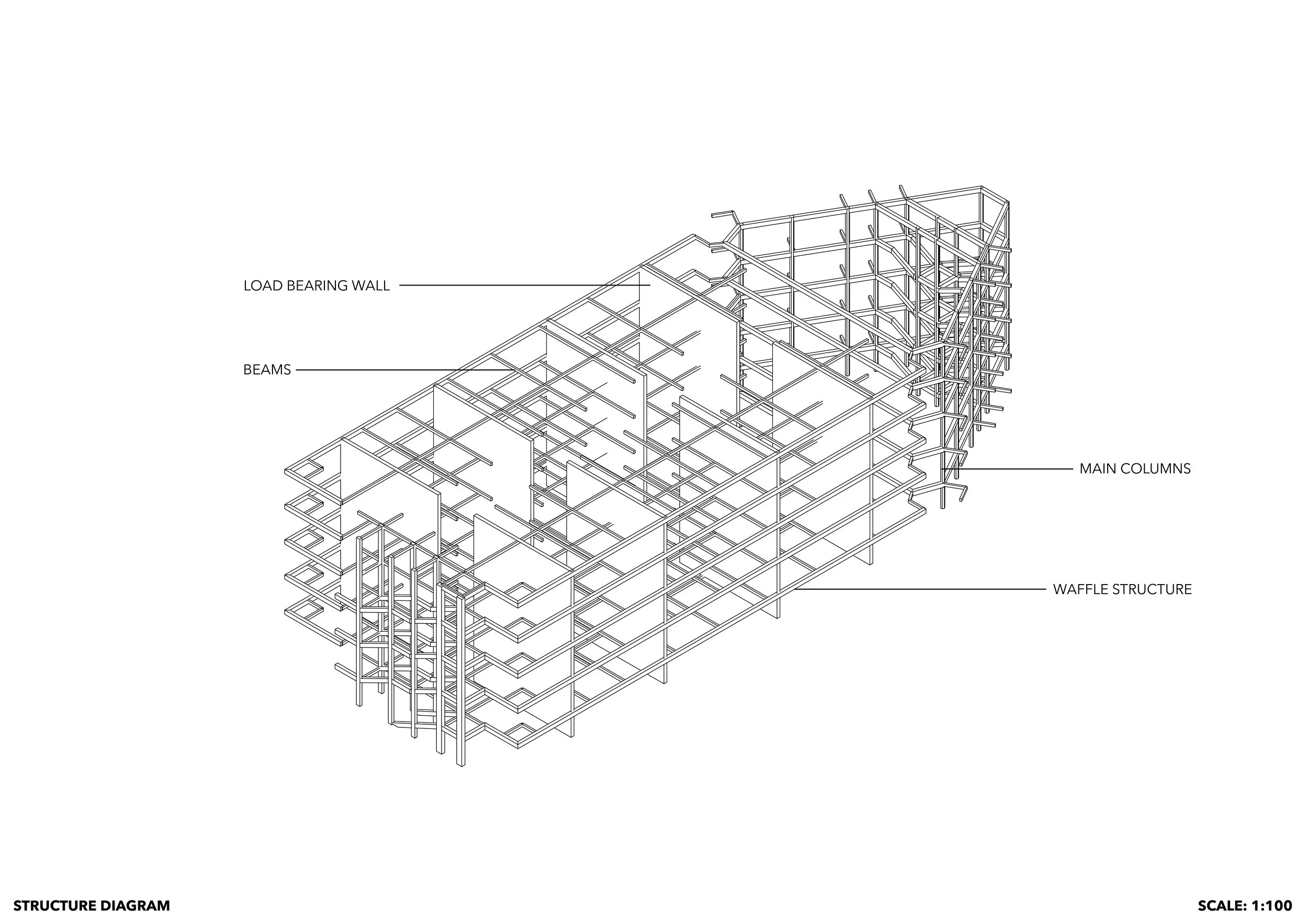
2. Re-examine Le Corbusier’s Dom-Ino—as an idea, a drawing, and a diagram of an open
spatial/structural system that can be critically adapted, transformed, and regenerated.
3. And finally, develop a set of design proposals that consider various ways of modifying the
KTT housing projects to accommodate new and innovative patterns of dwelling in the
contemporary city.
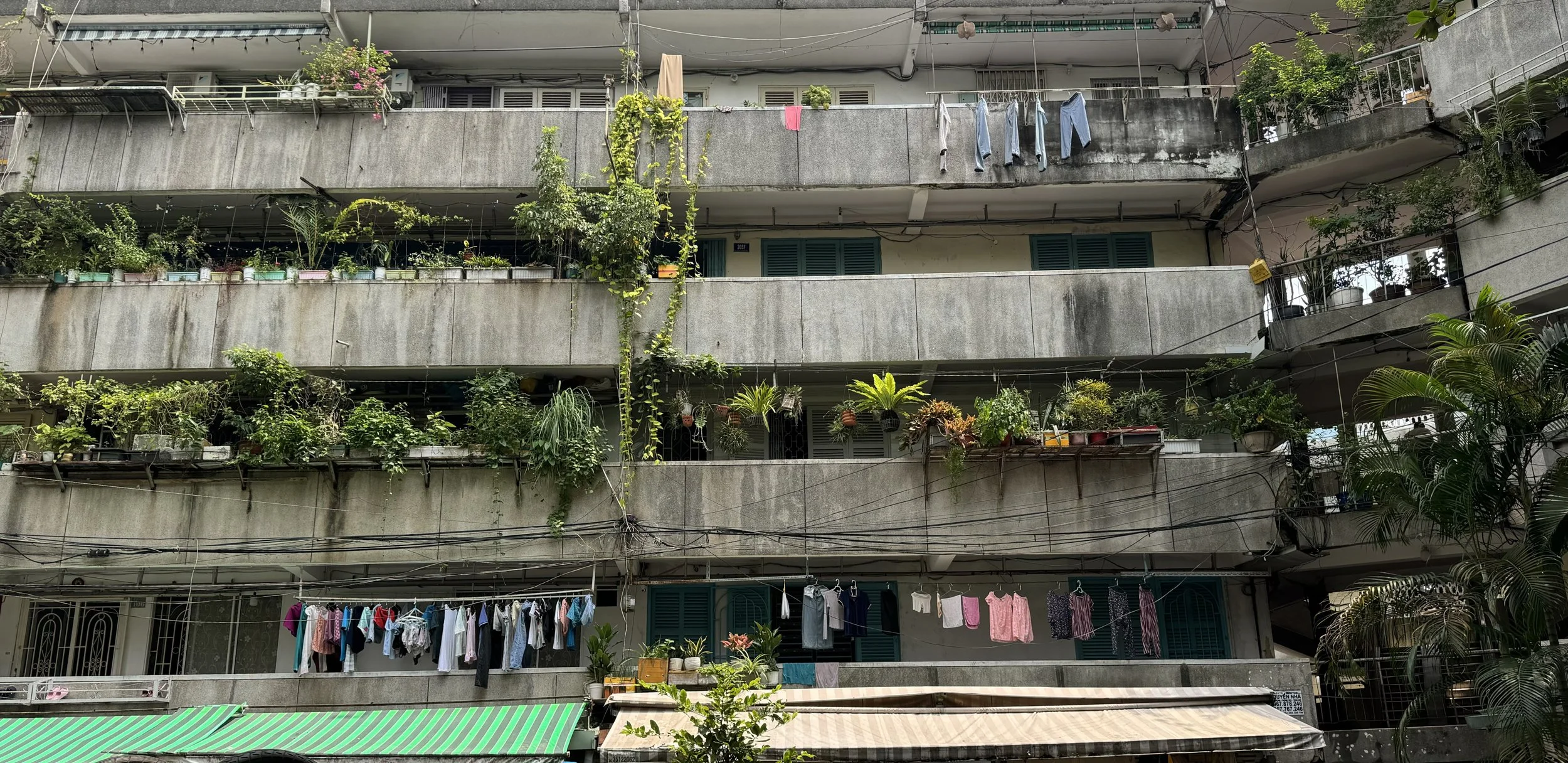
Images of the Existing Building
-
![]()
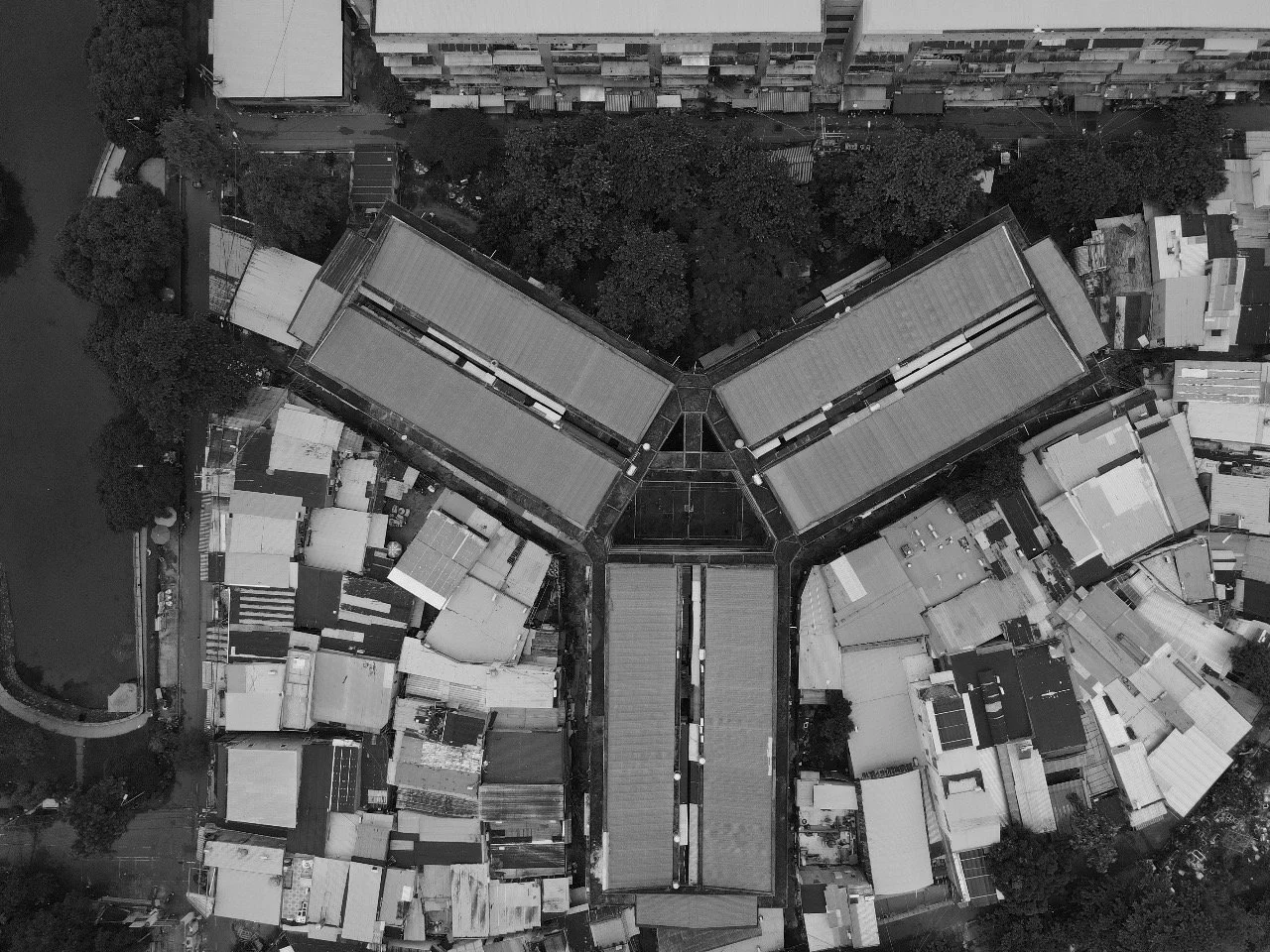
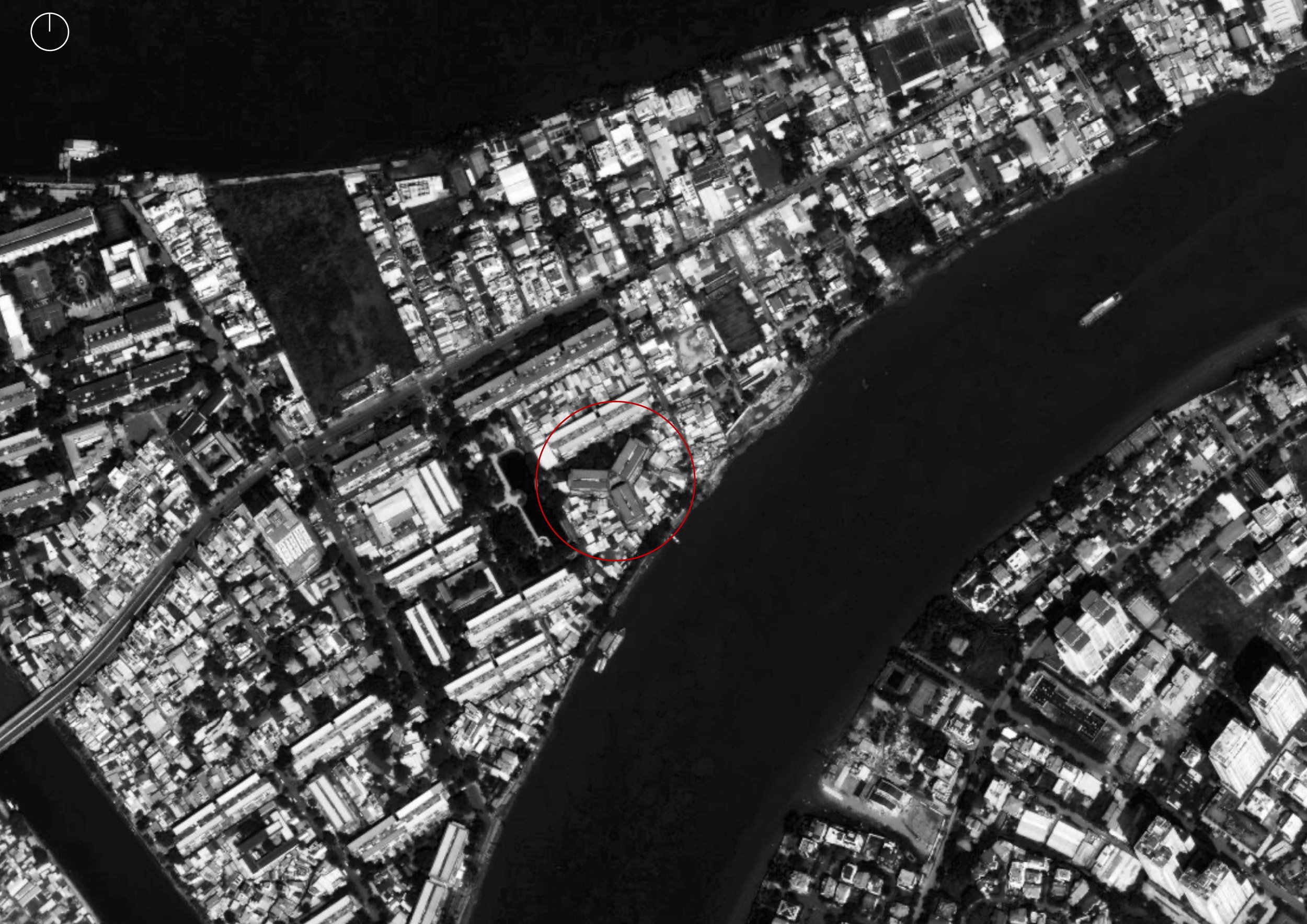
Aerial View
-
![]()
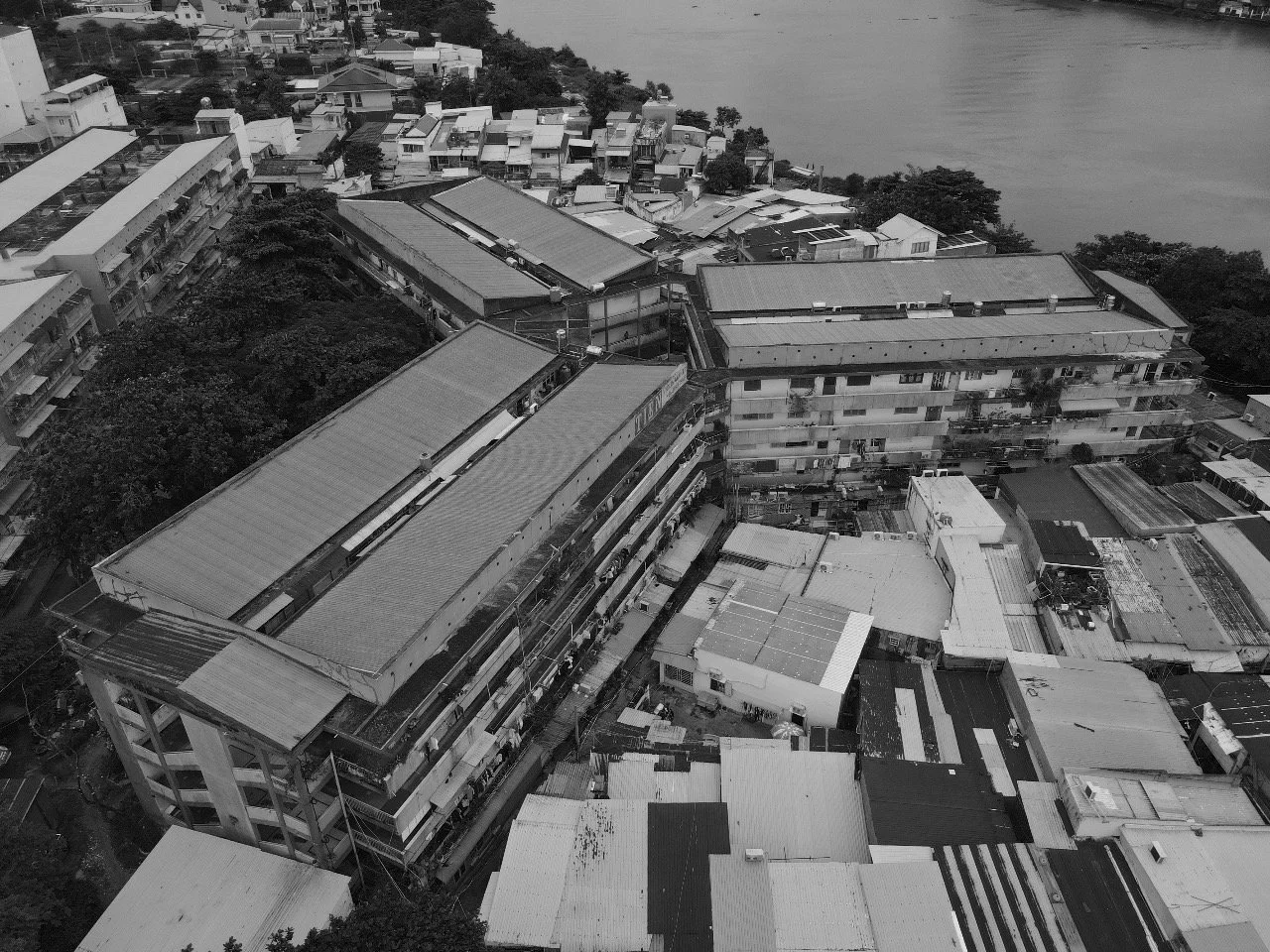
Aerial View
-
![]()
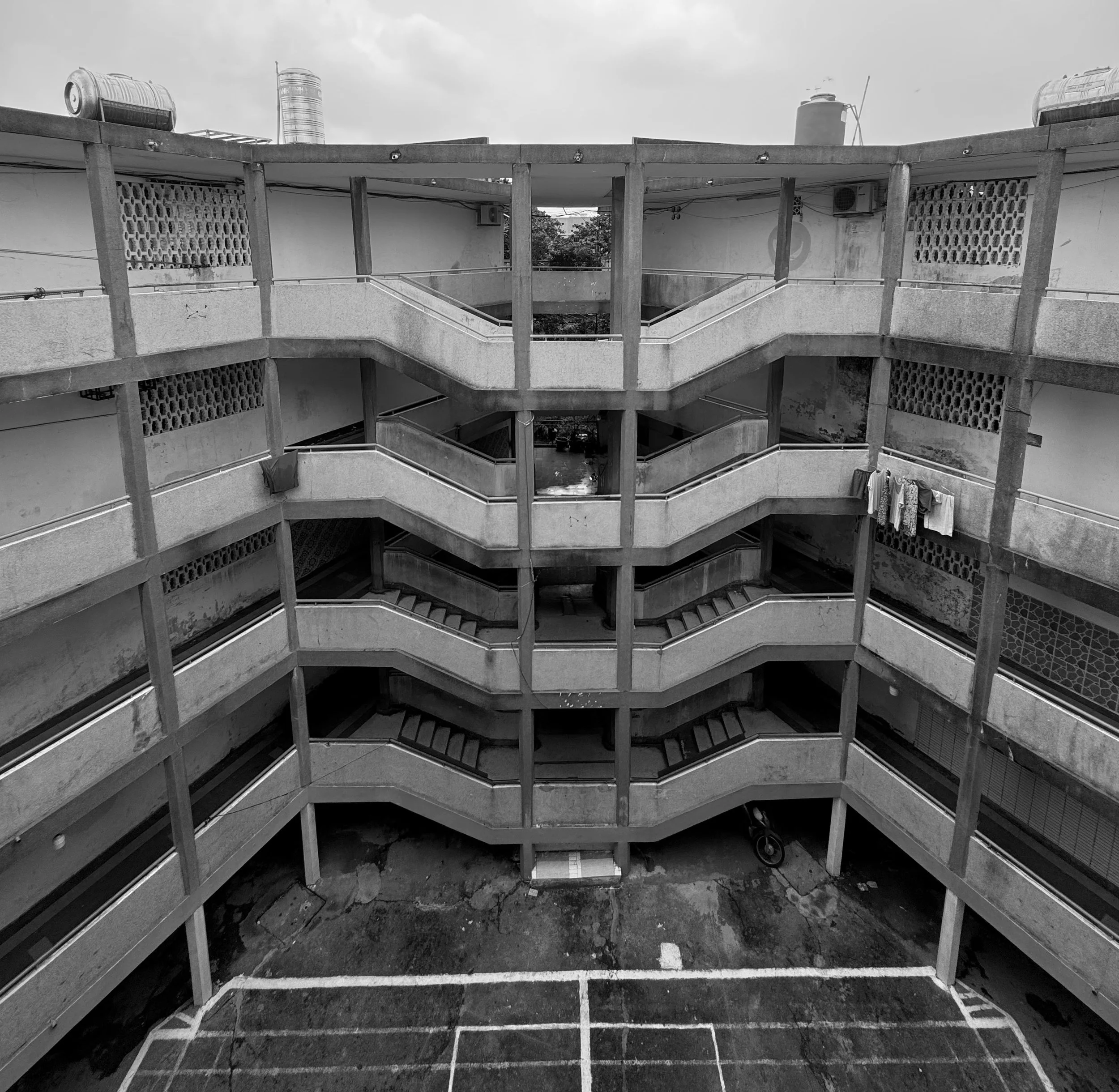
Interior Courtyard
-
![]()
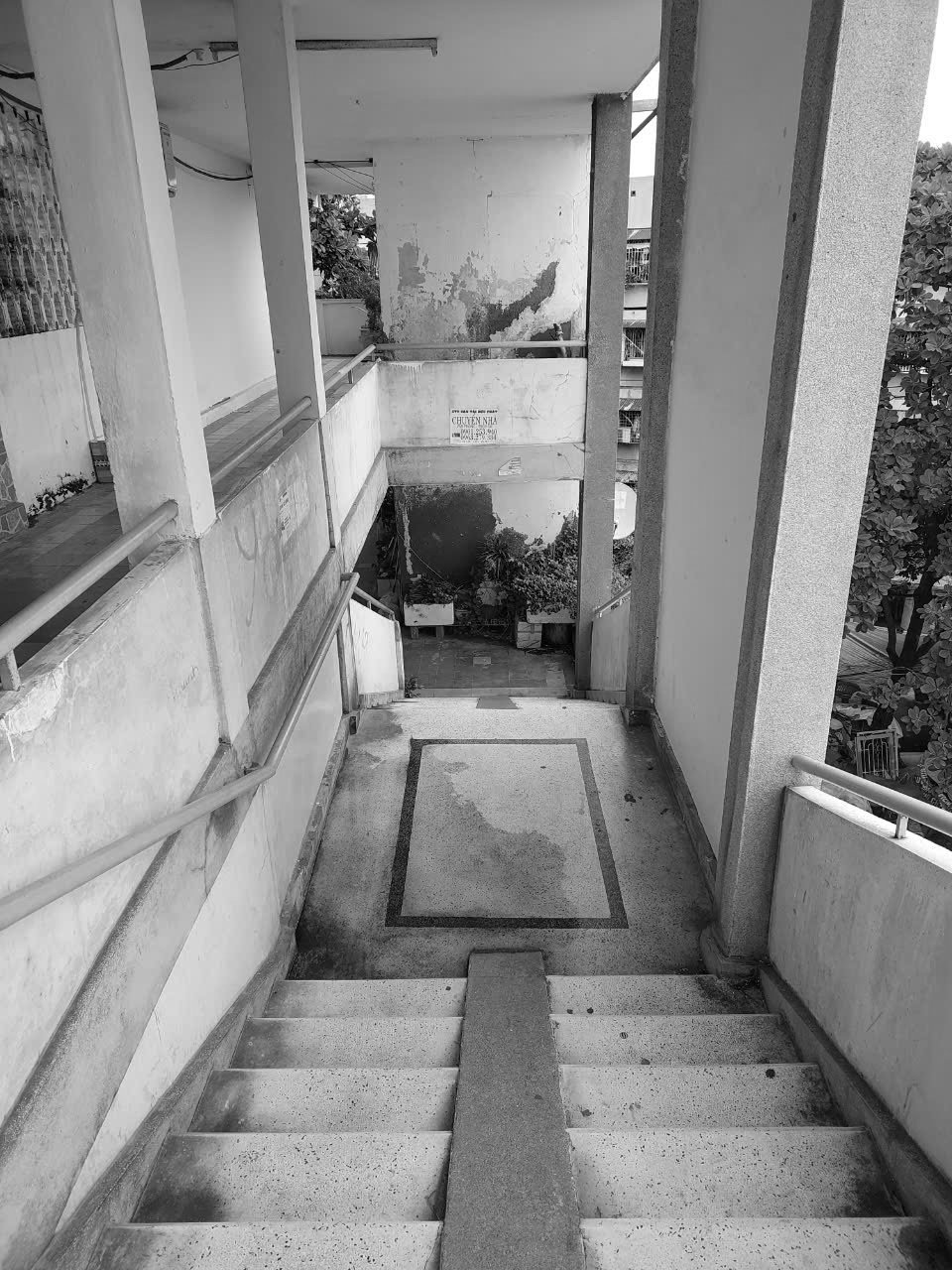
Staircase
-
![]()
Exterior Hallway
-
![]()
Commercial Use of Ground Floor
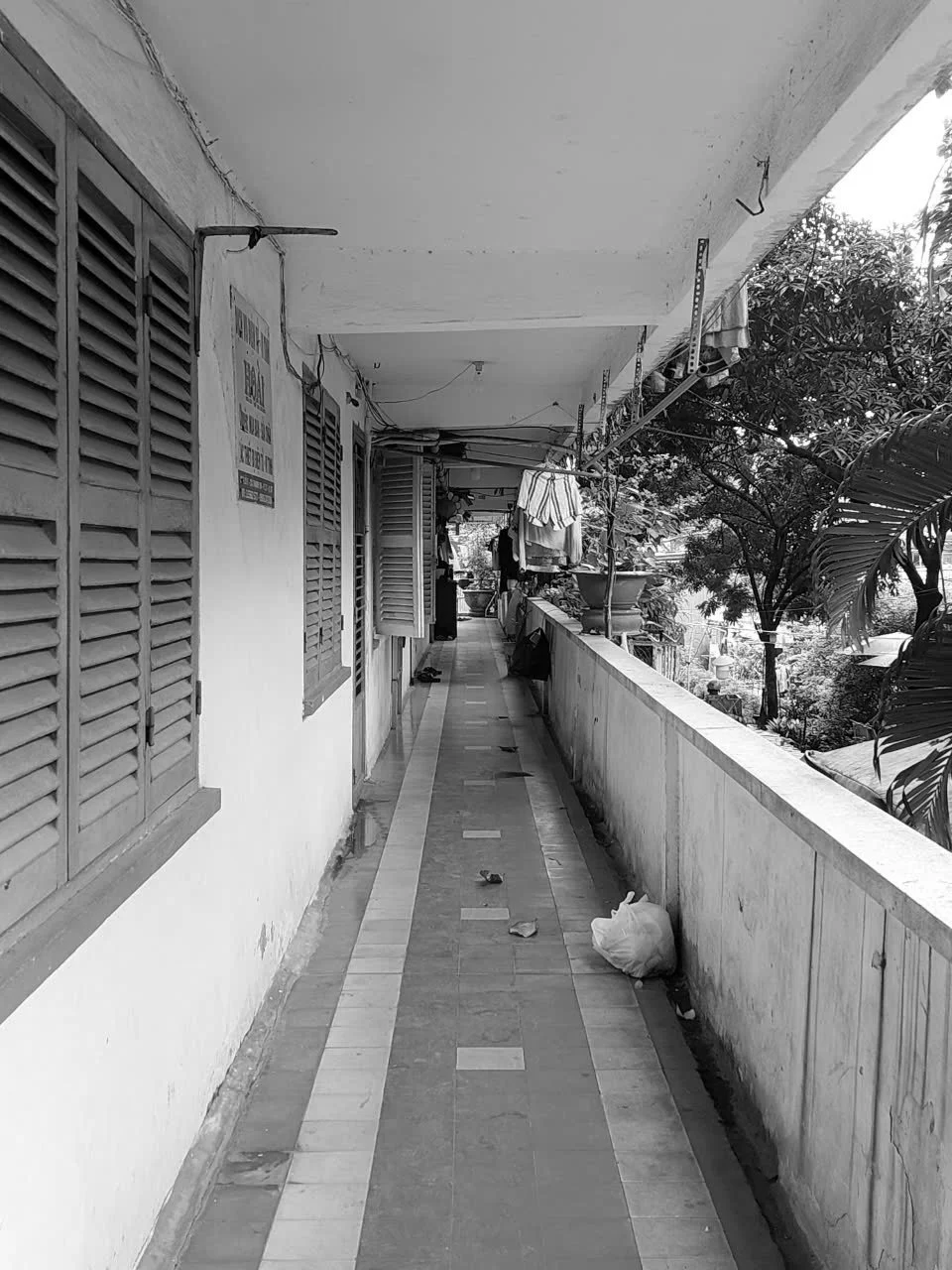
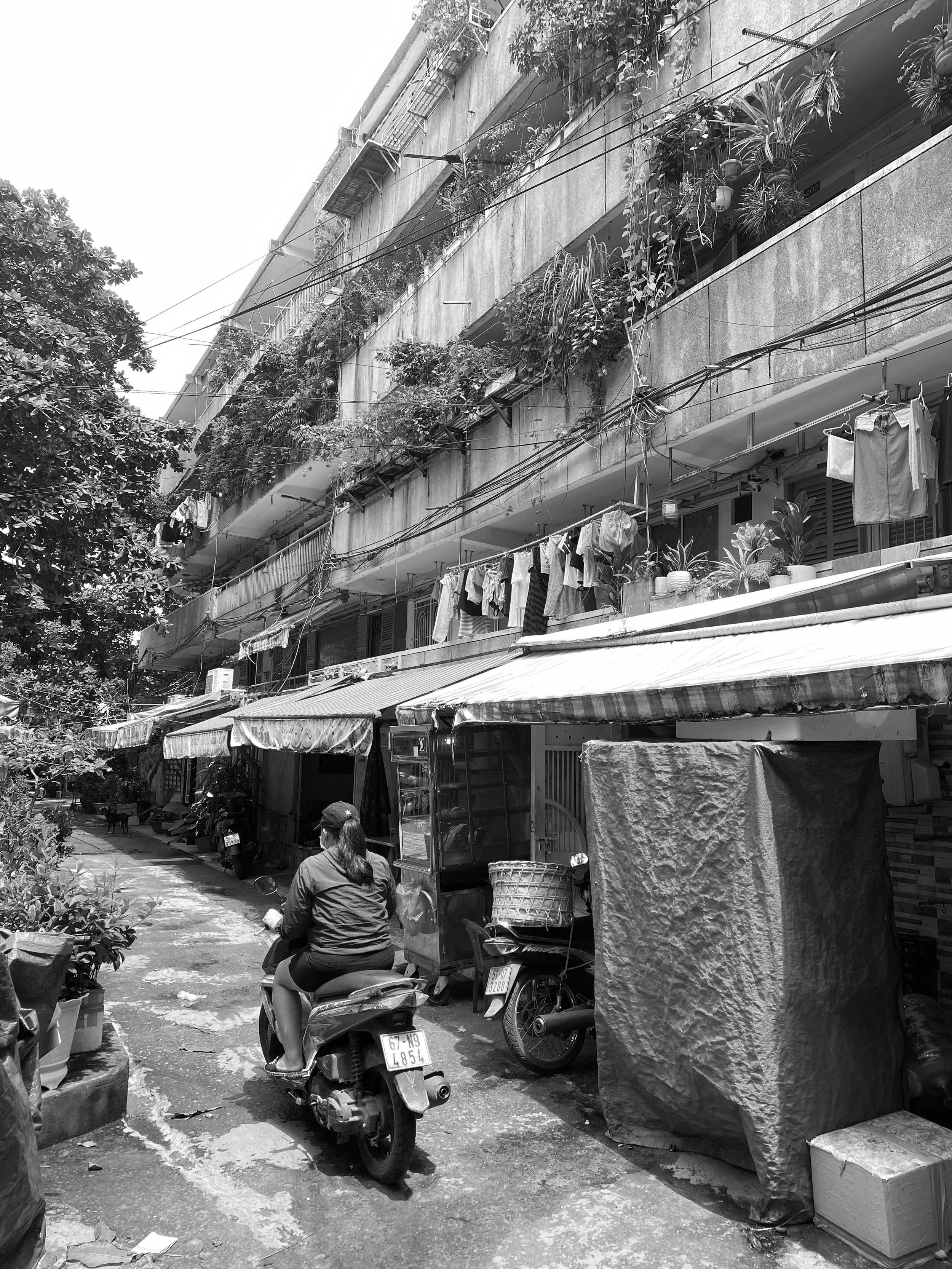
SITE INFORMATION
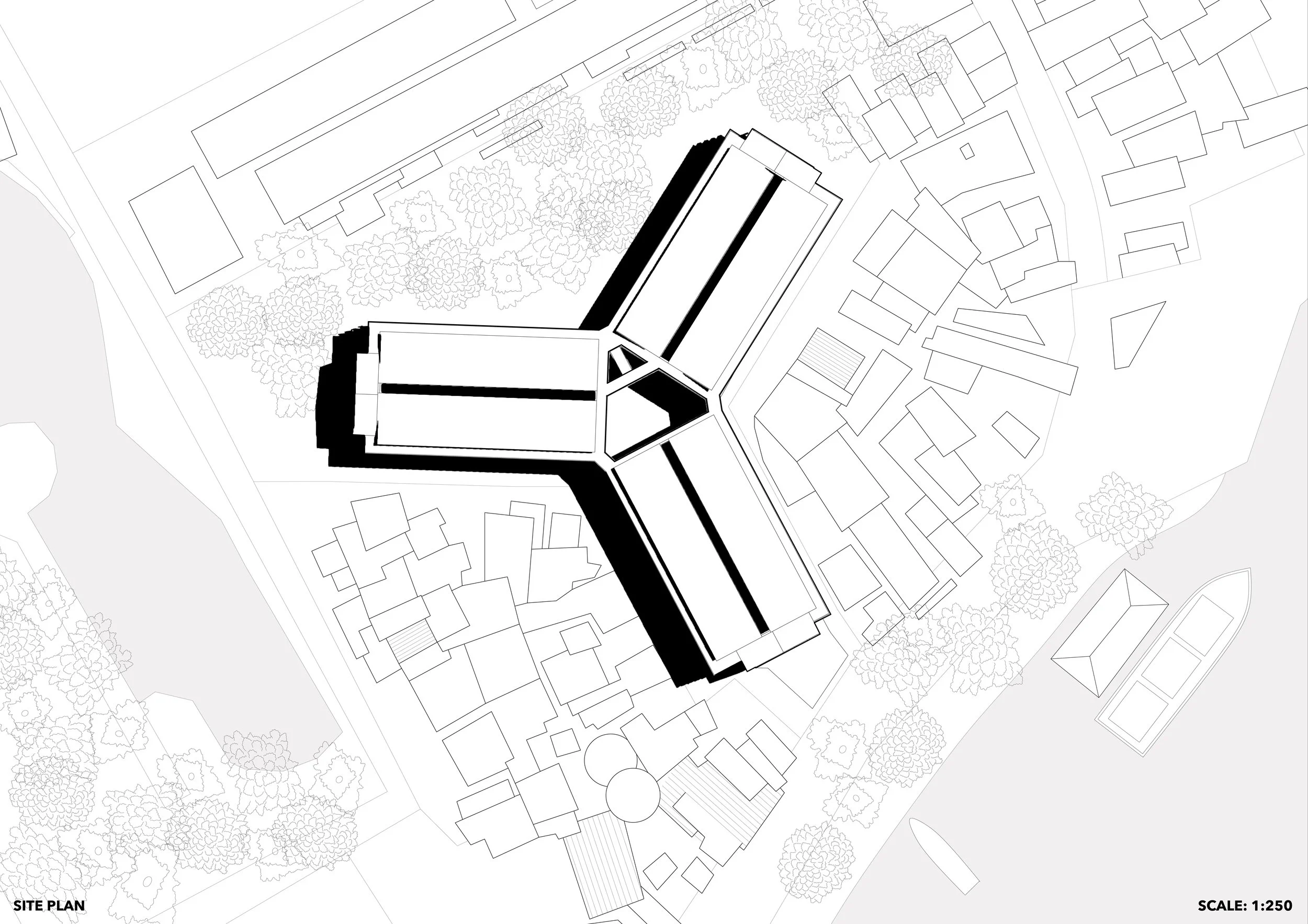
ANALYTICAL DRAWINGS
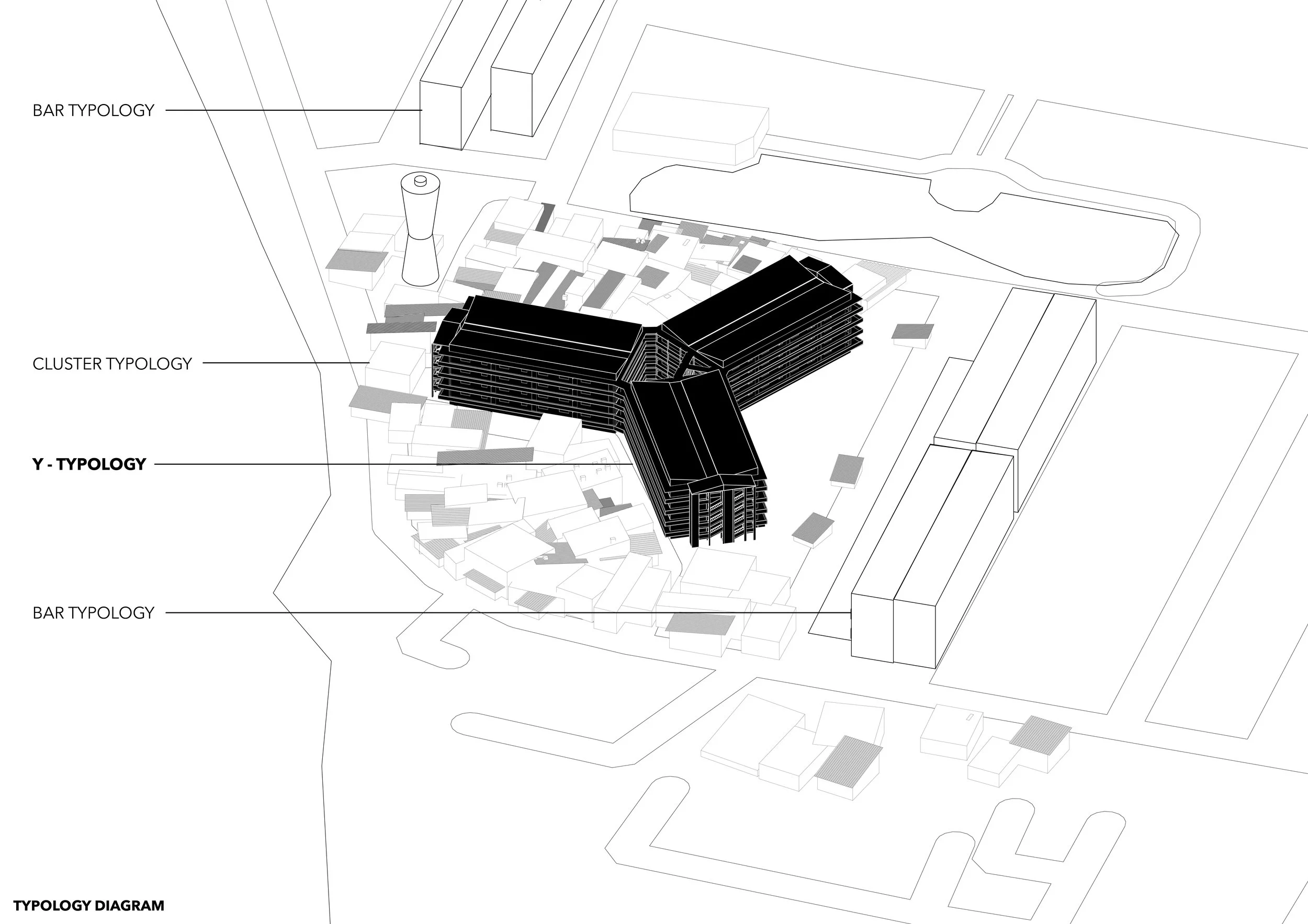
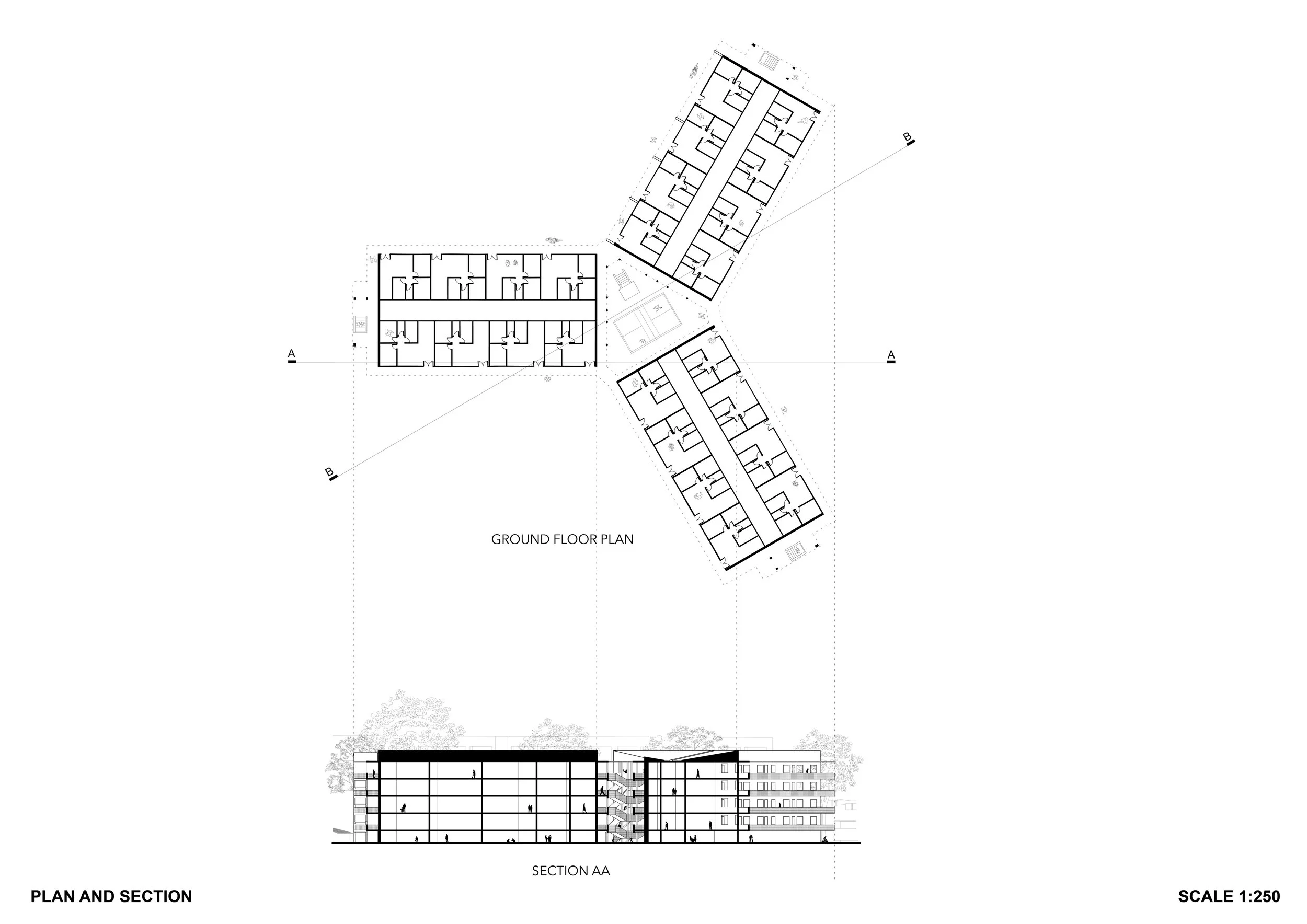
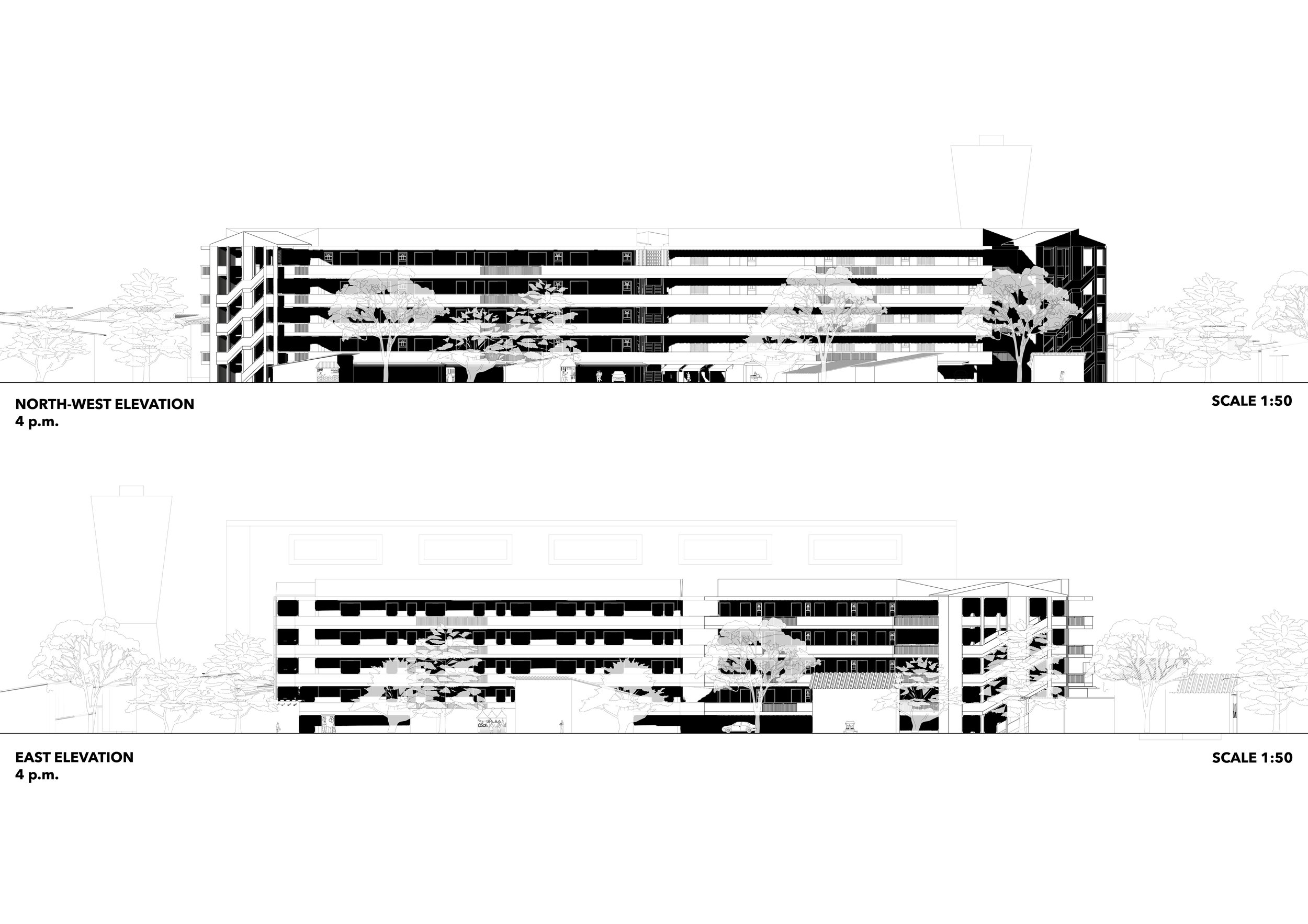
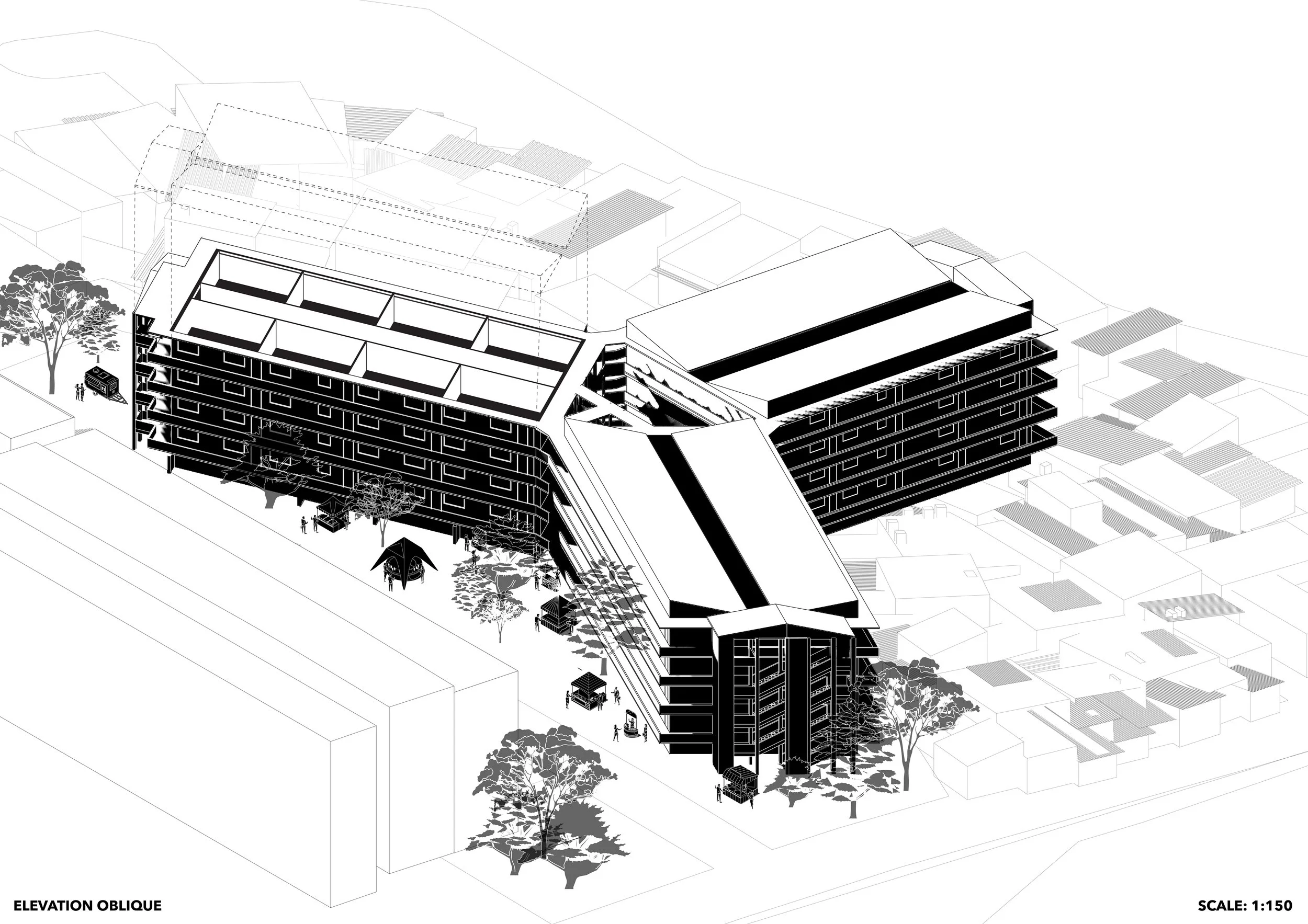
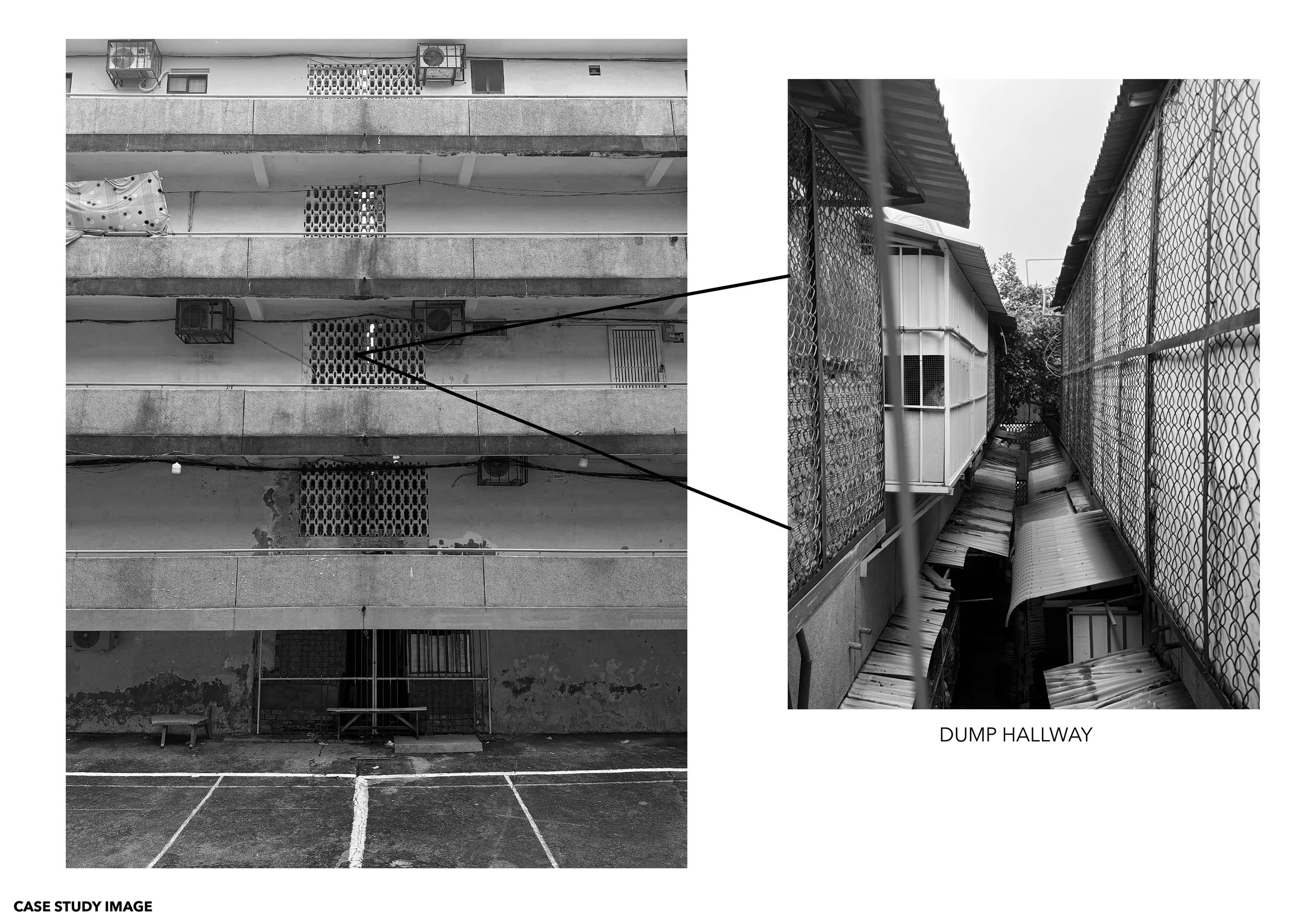
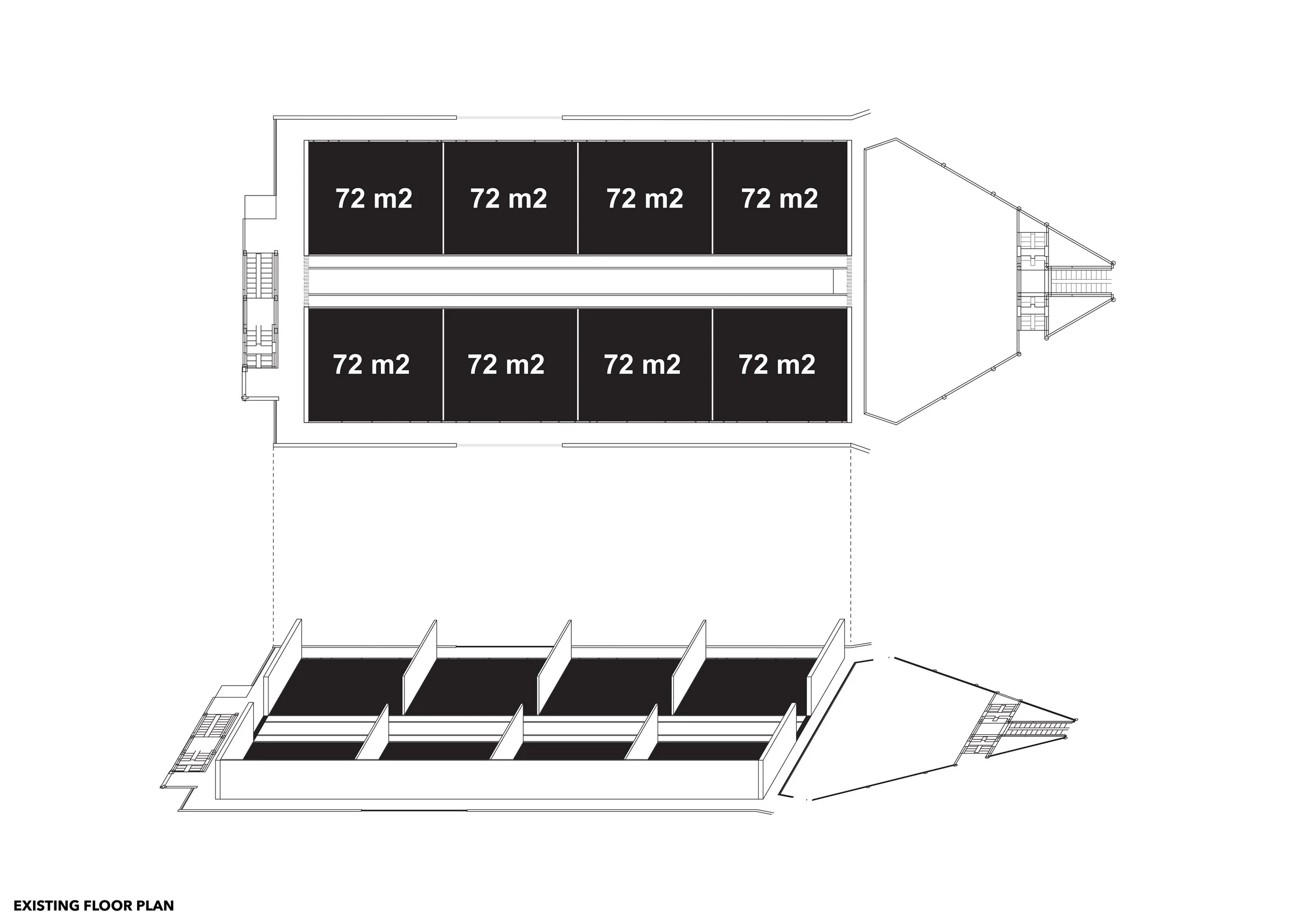
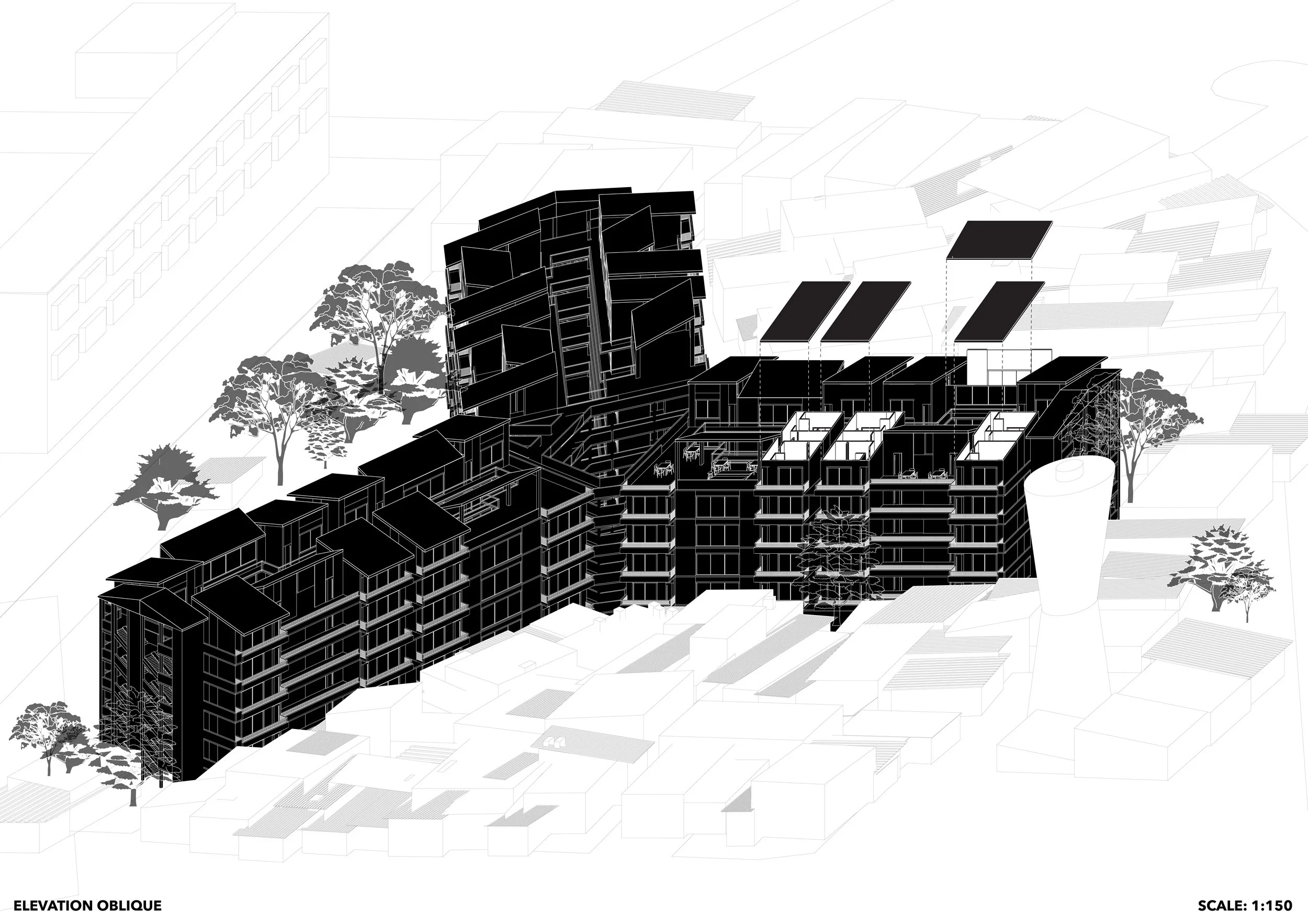
THE PROBLEM:
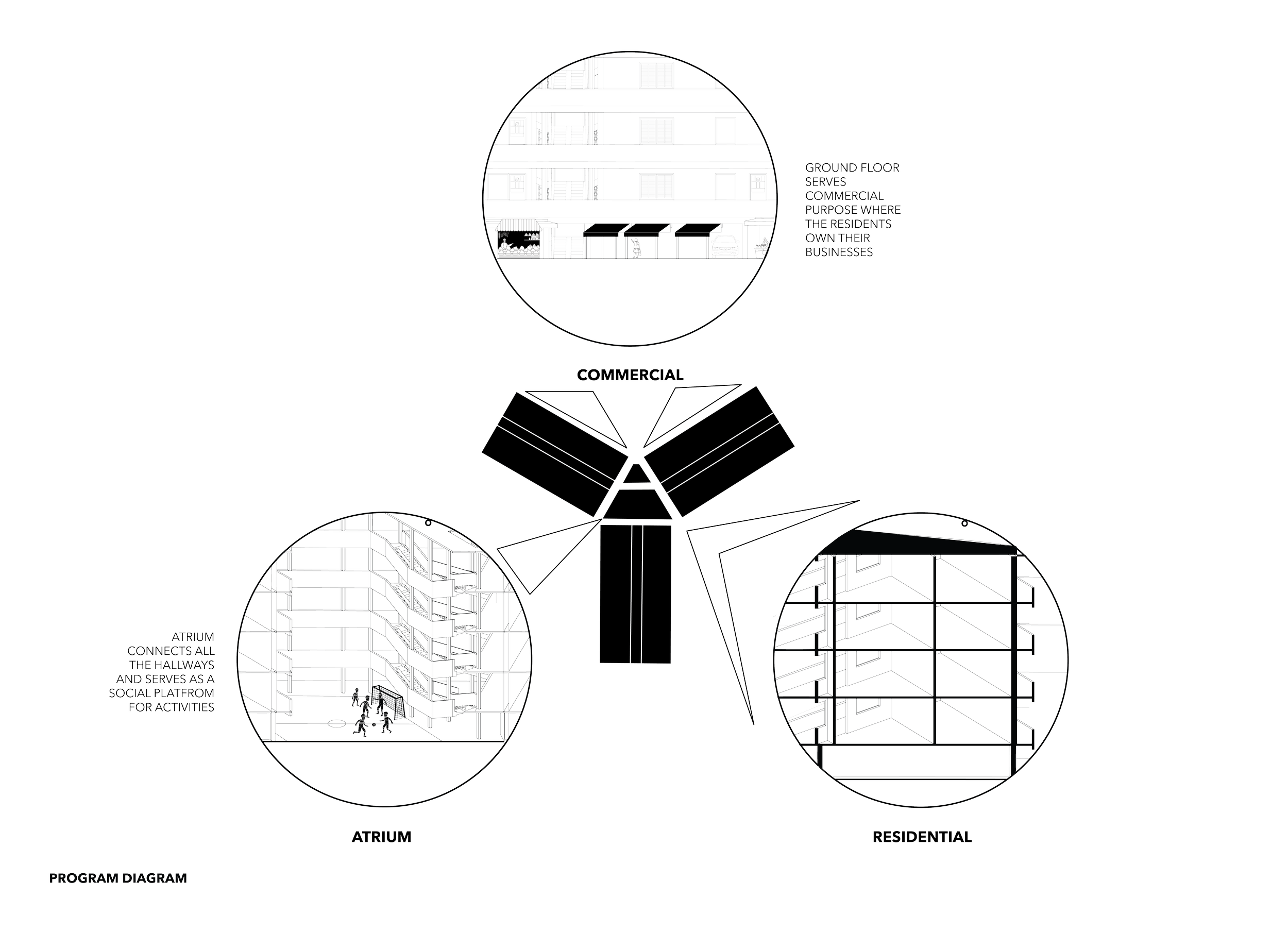
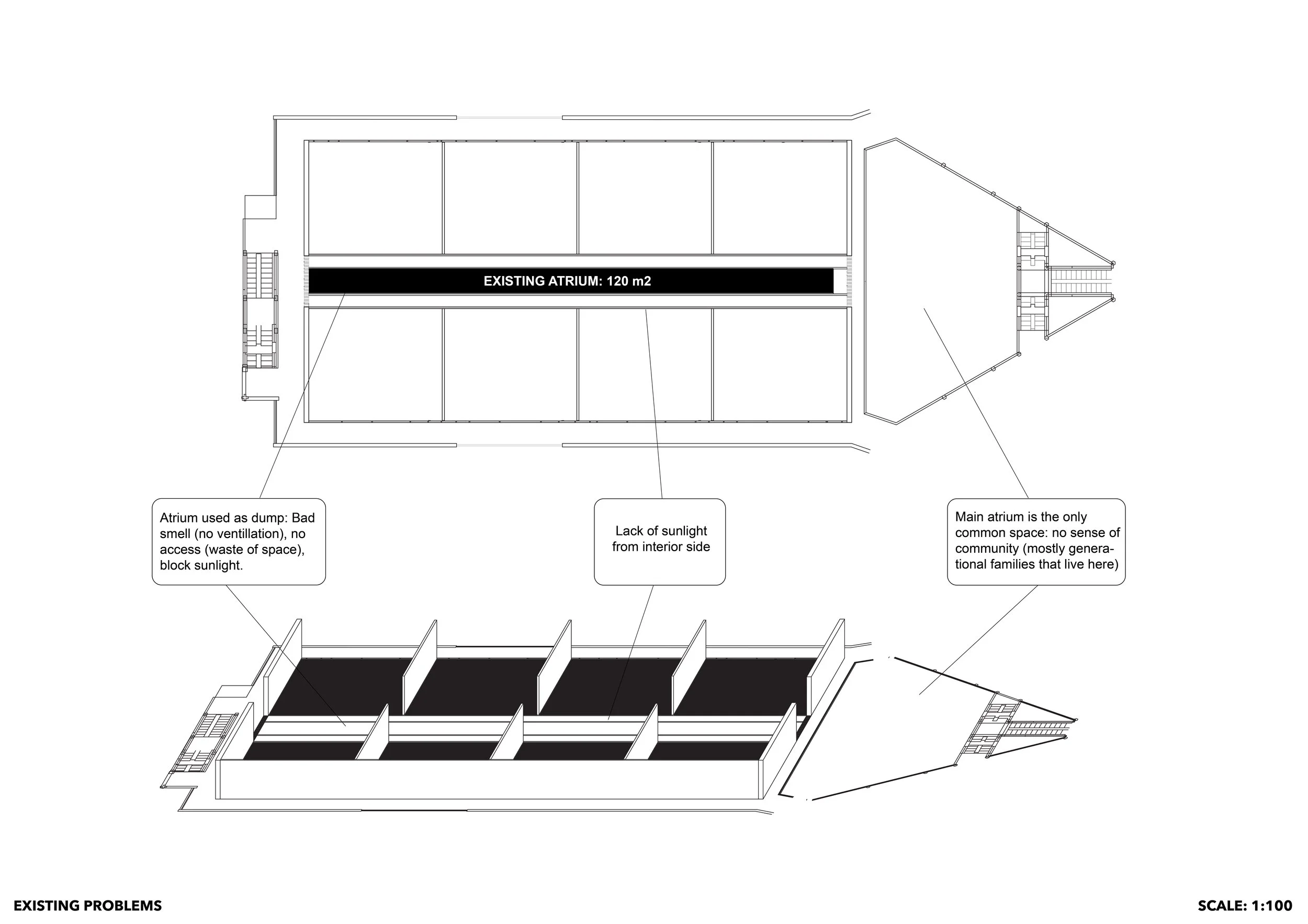
Lack of communal space
Atrium used as dumpster
Lack of ventilation and sunlight
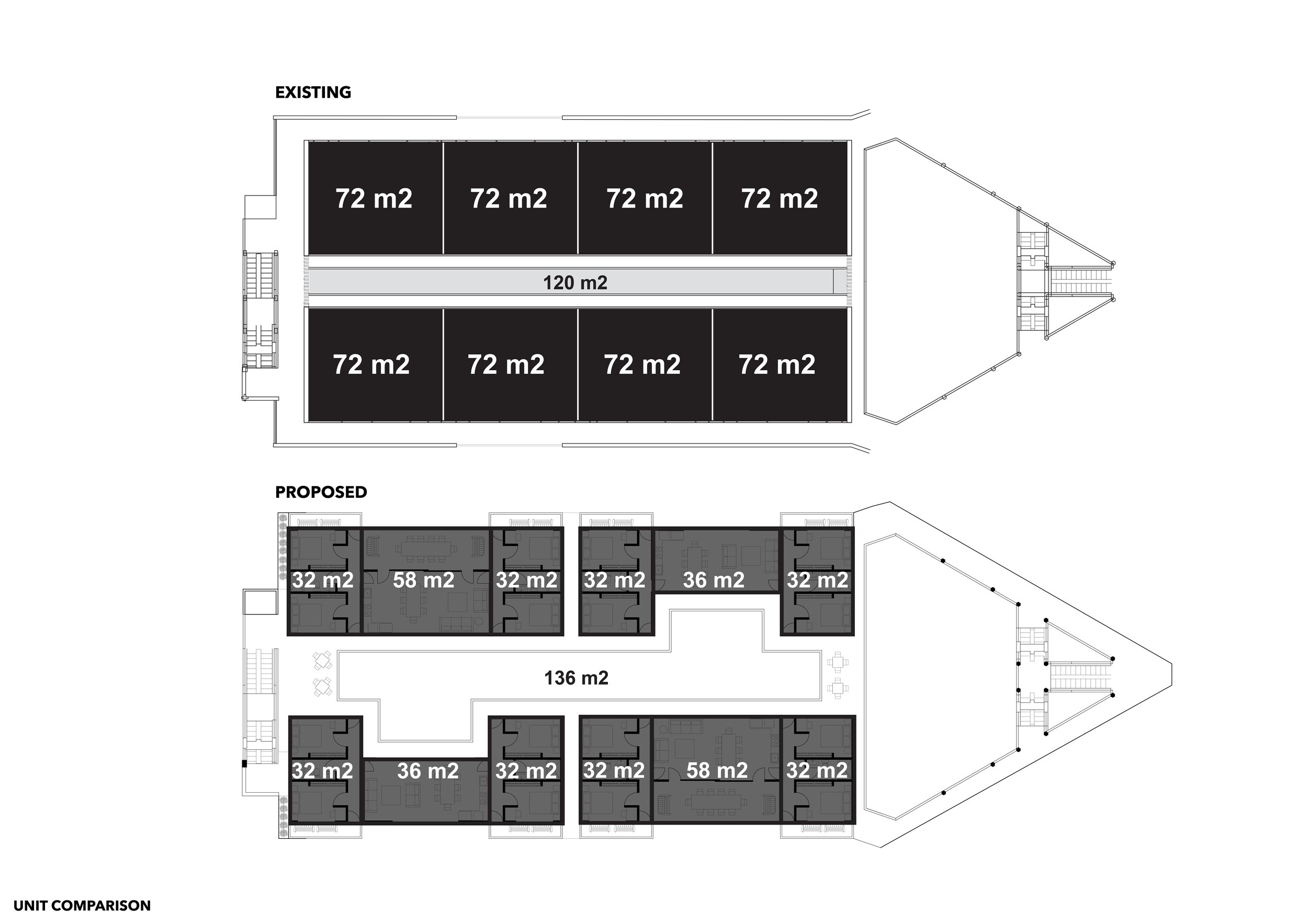
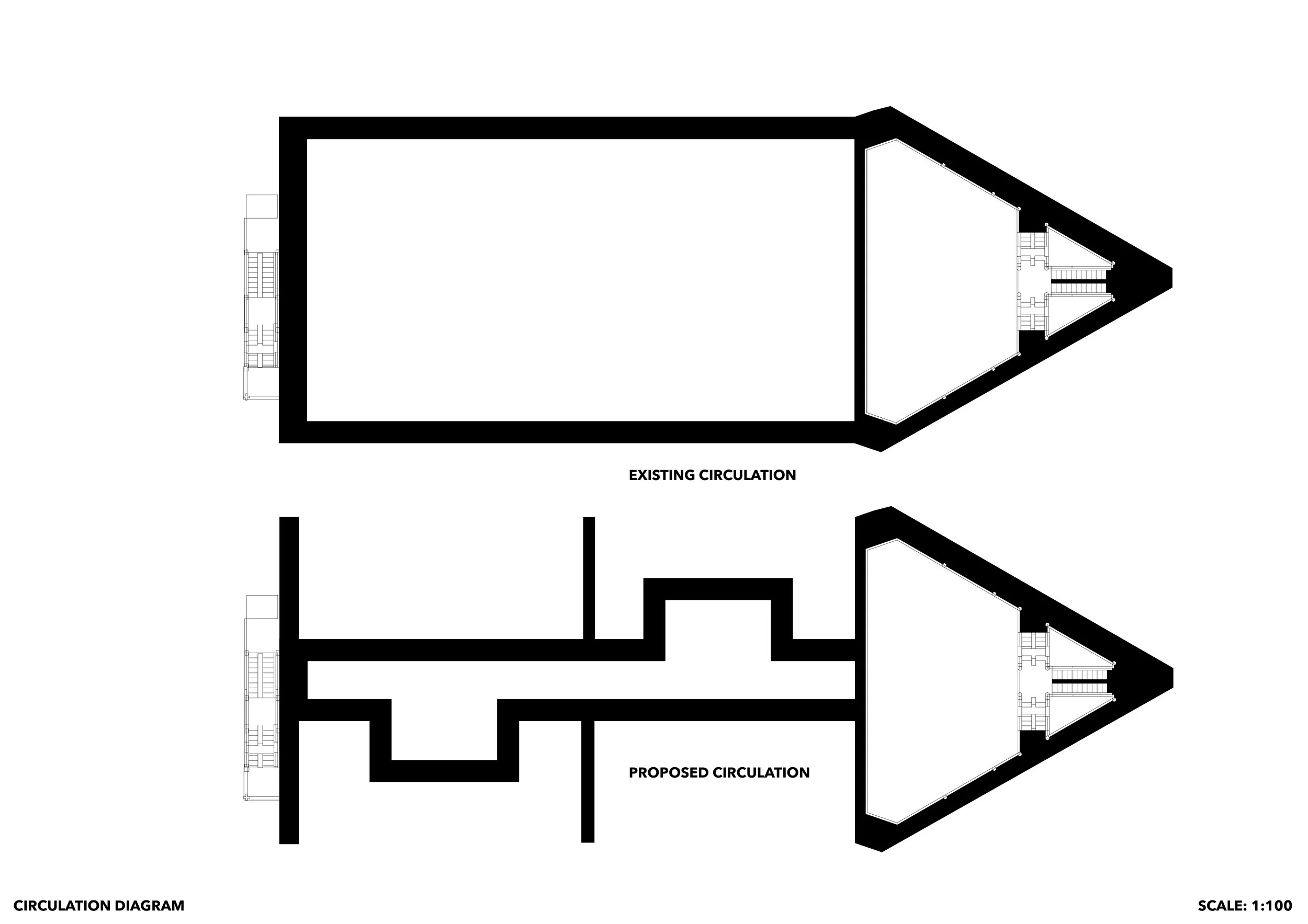
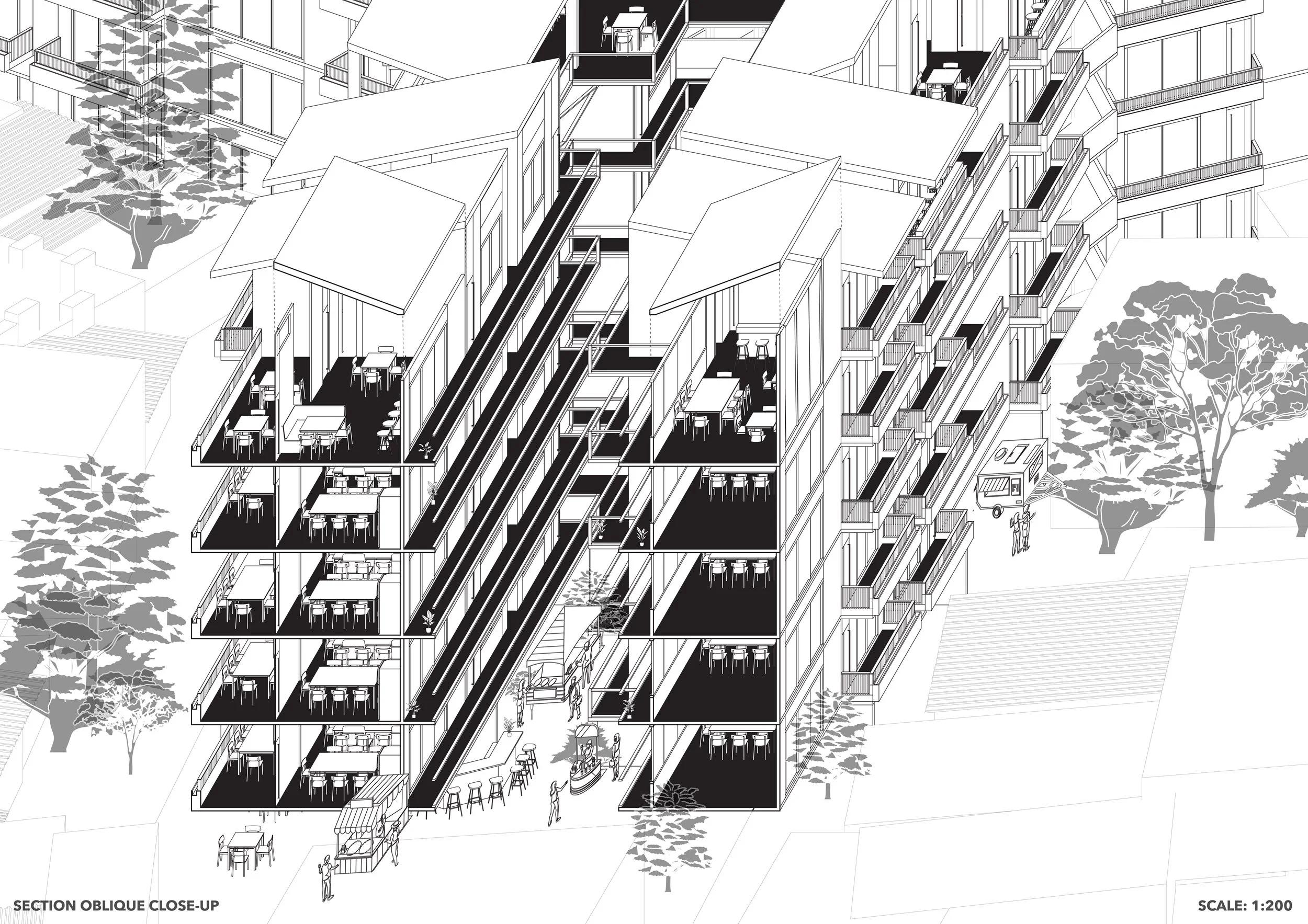
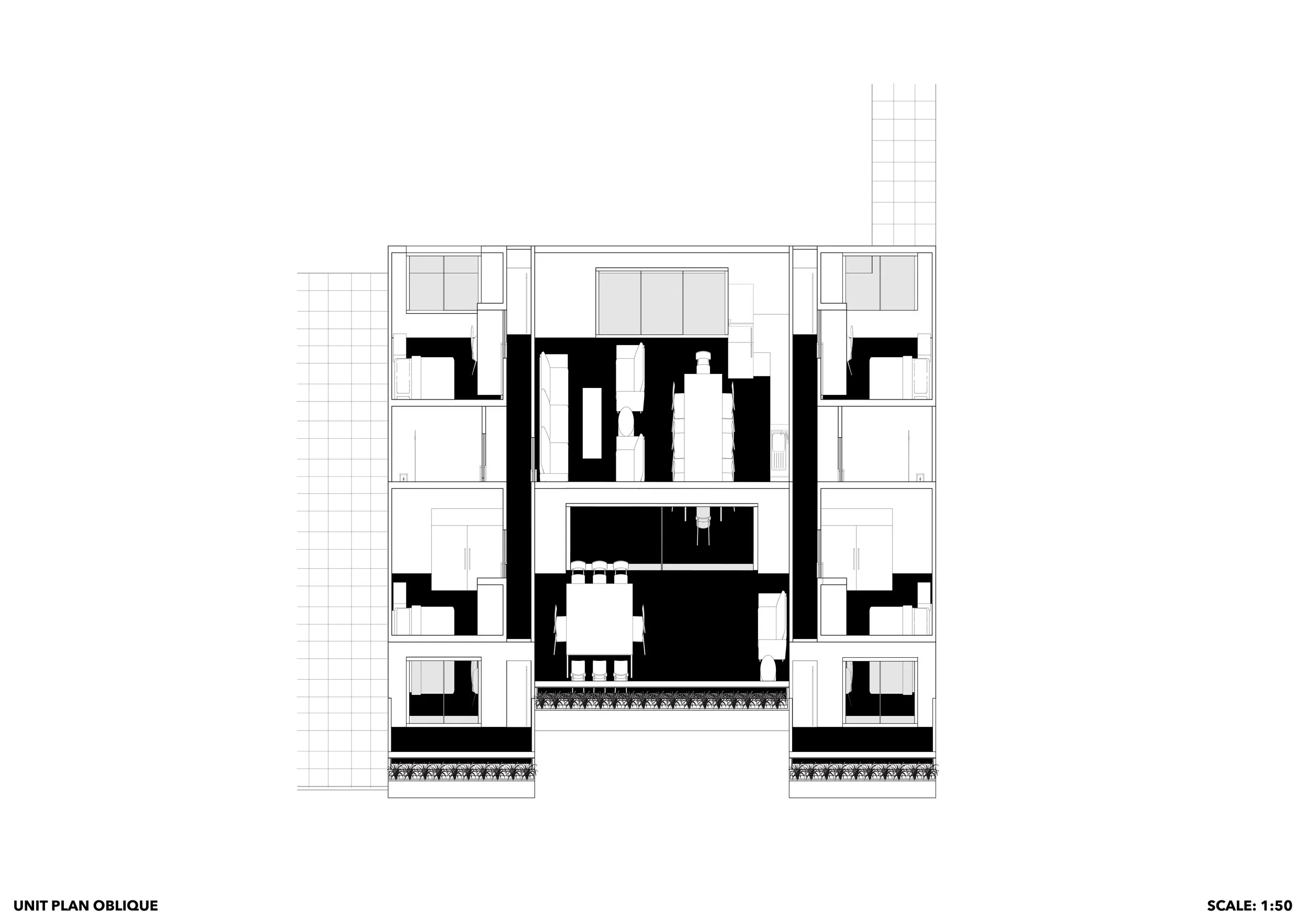
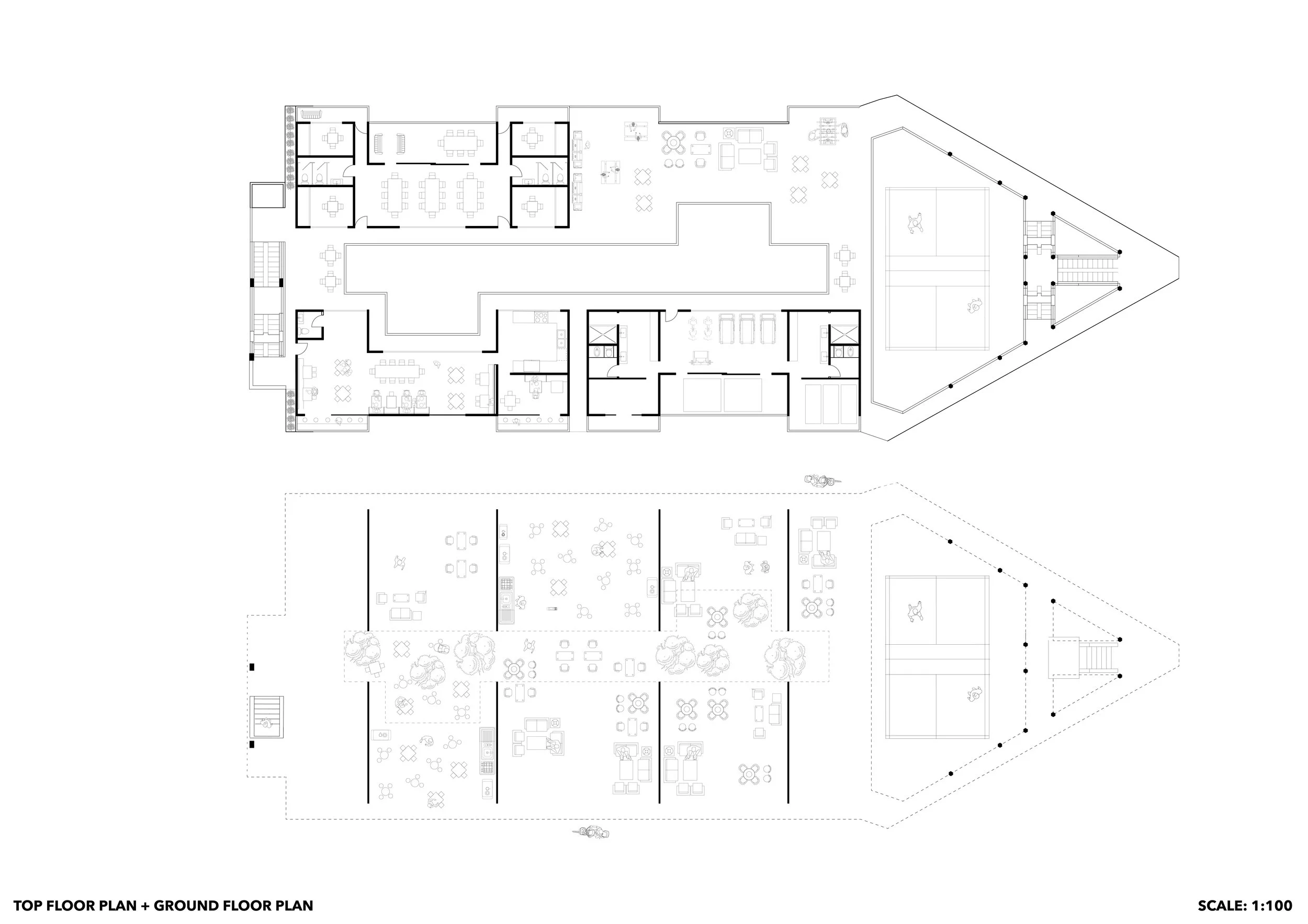
THE SOLUTION:
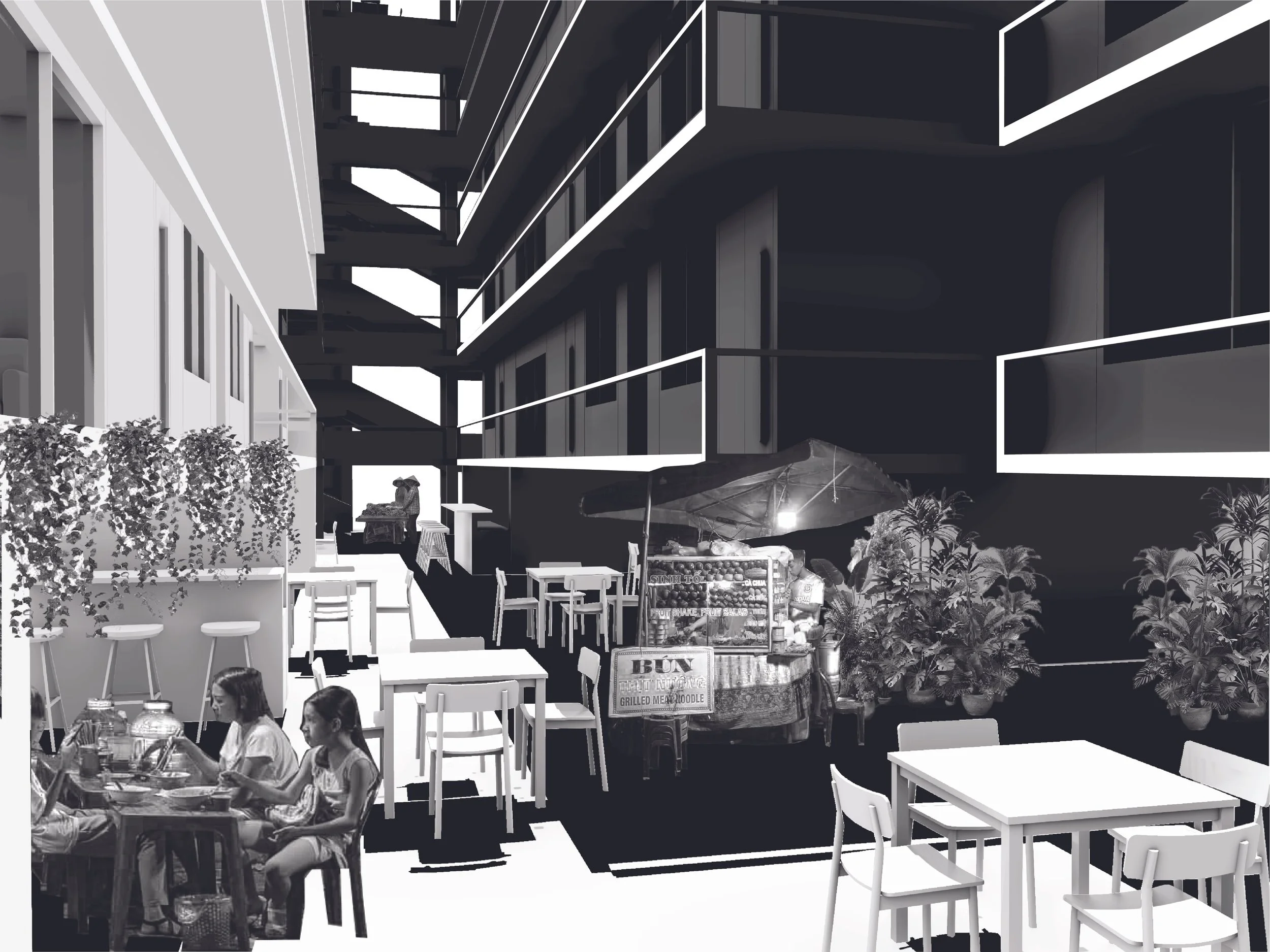
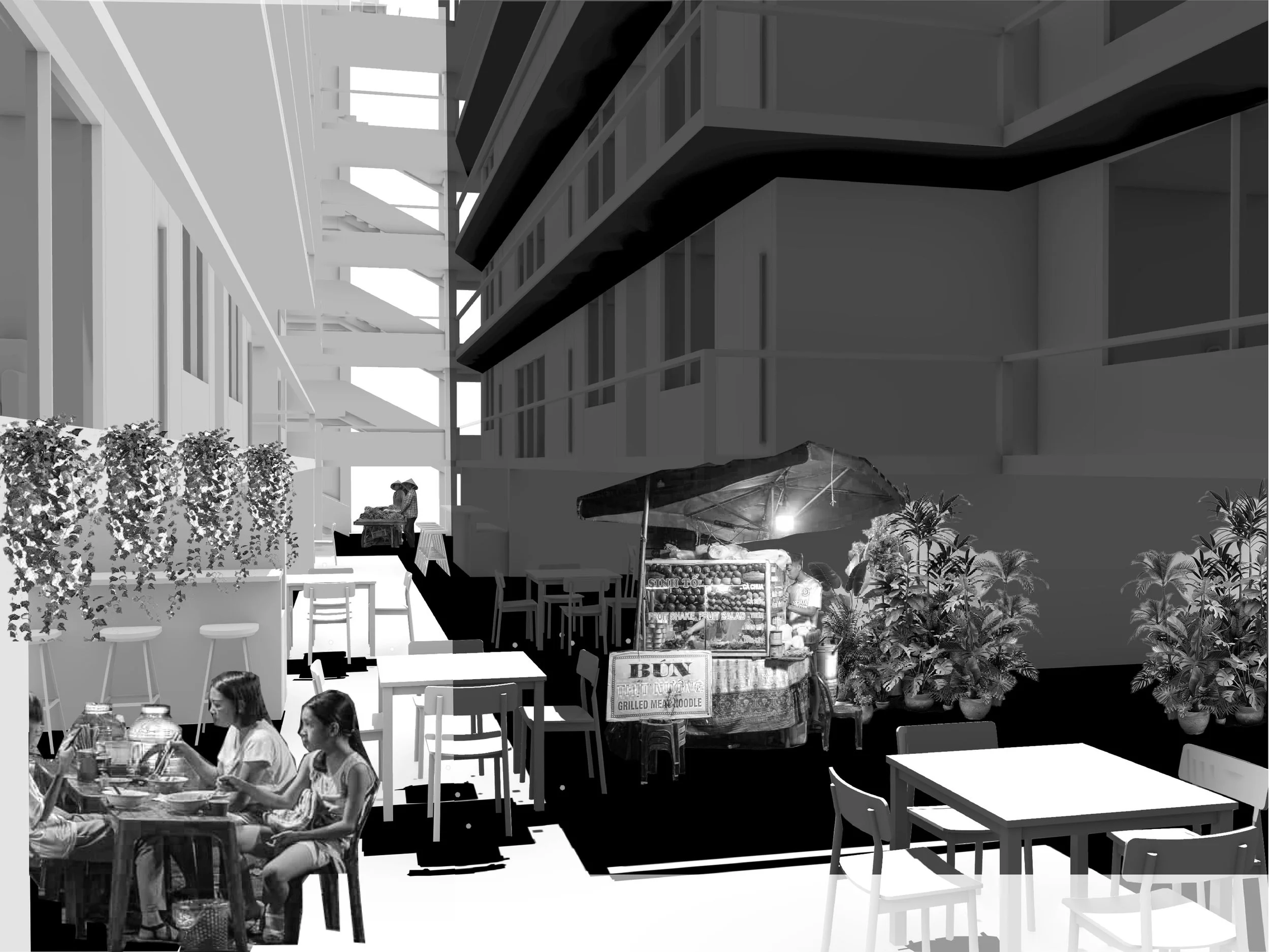
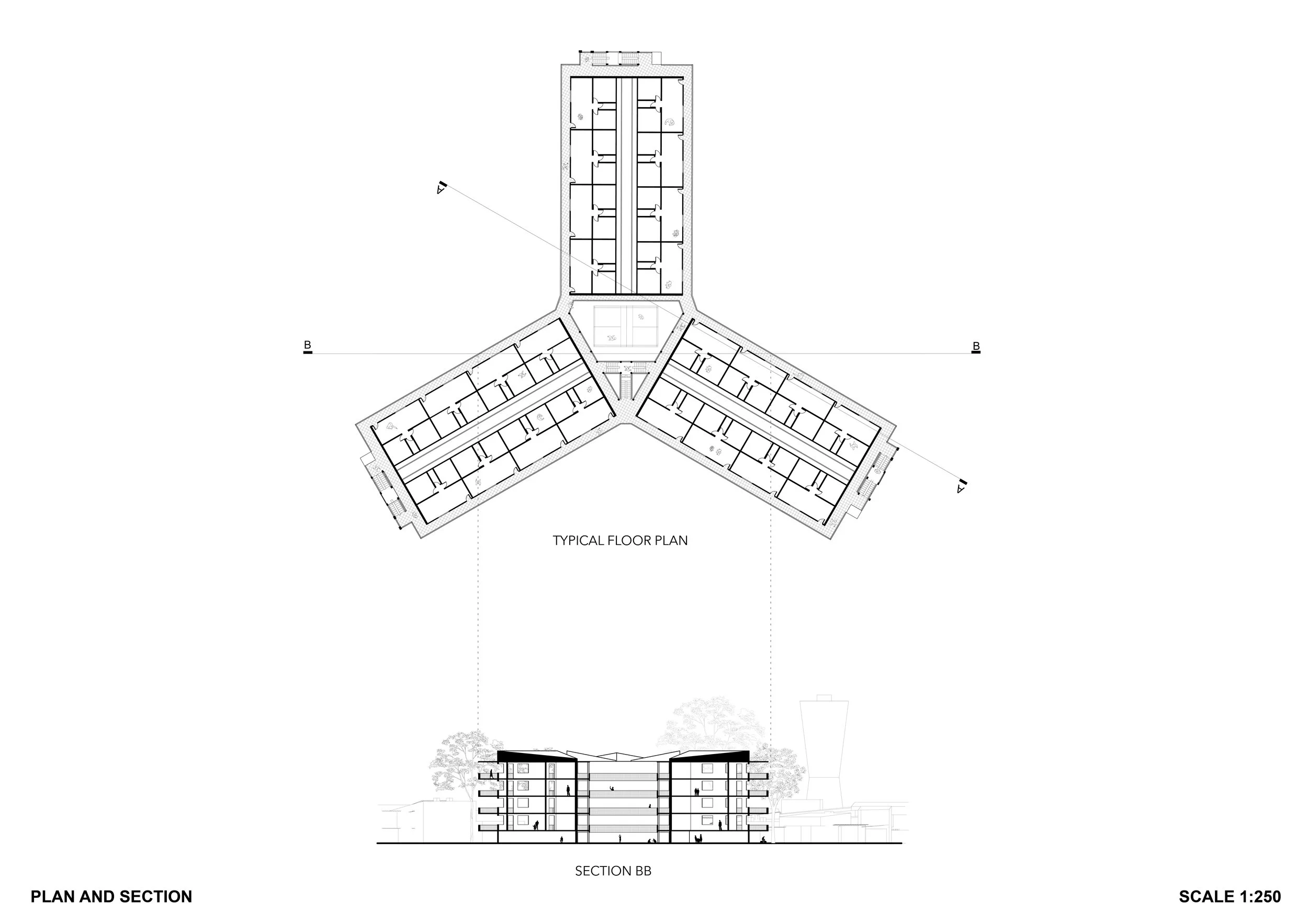
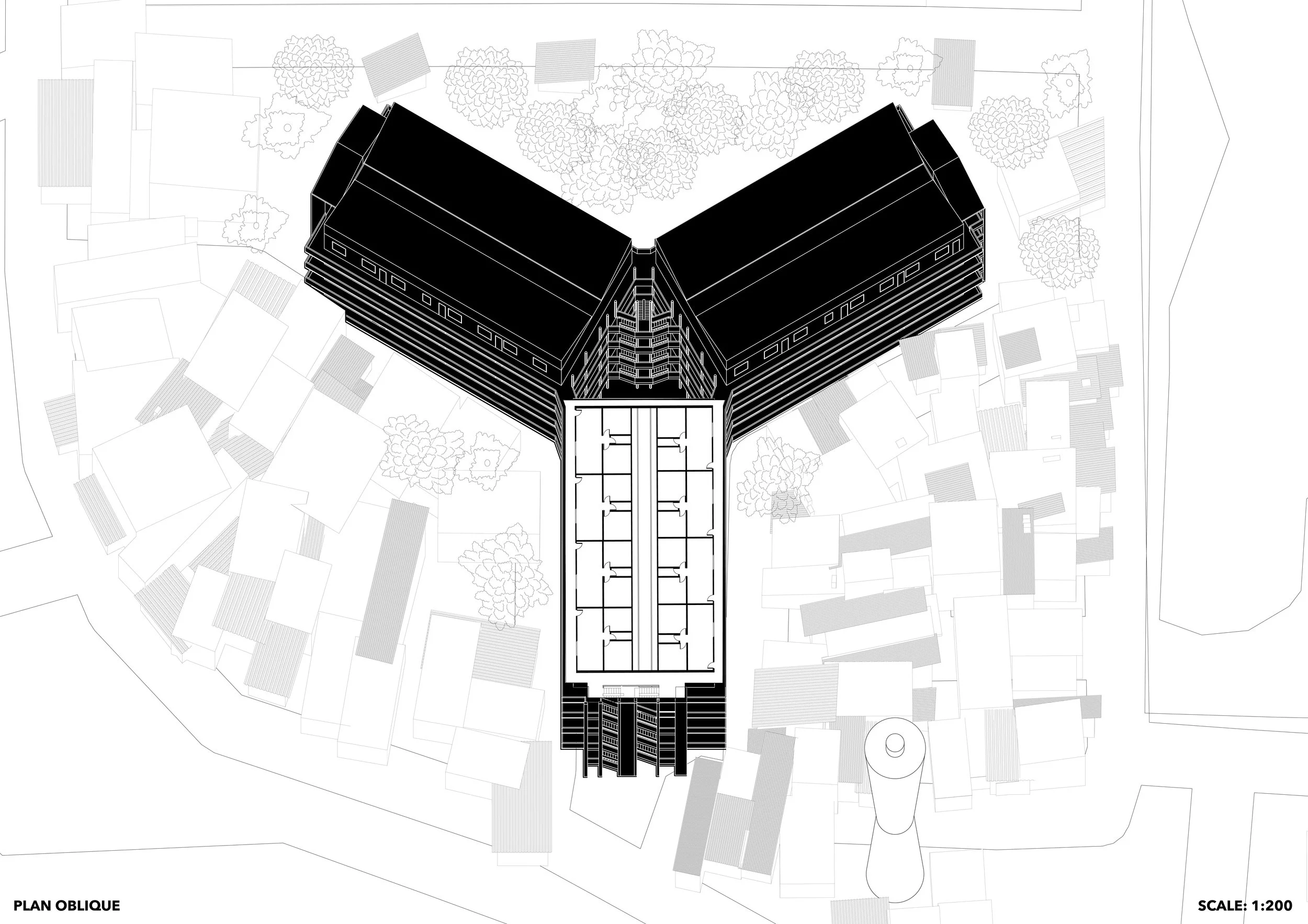
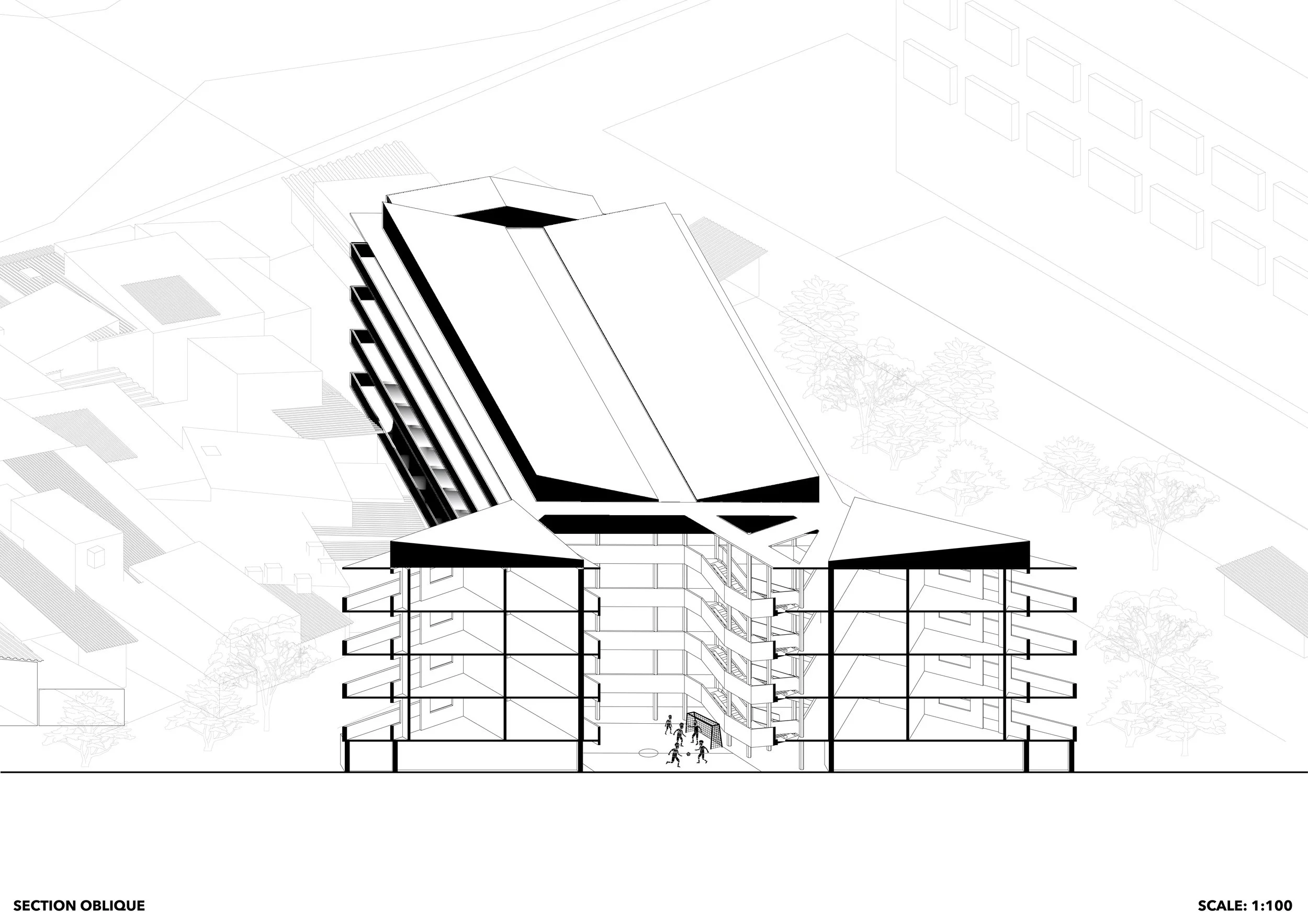
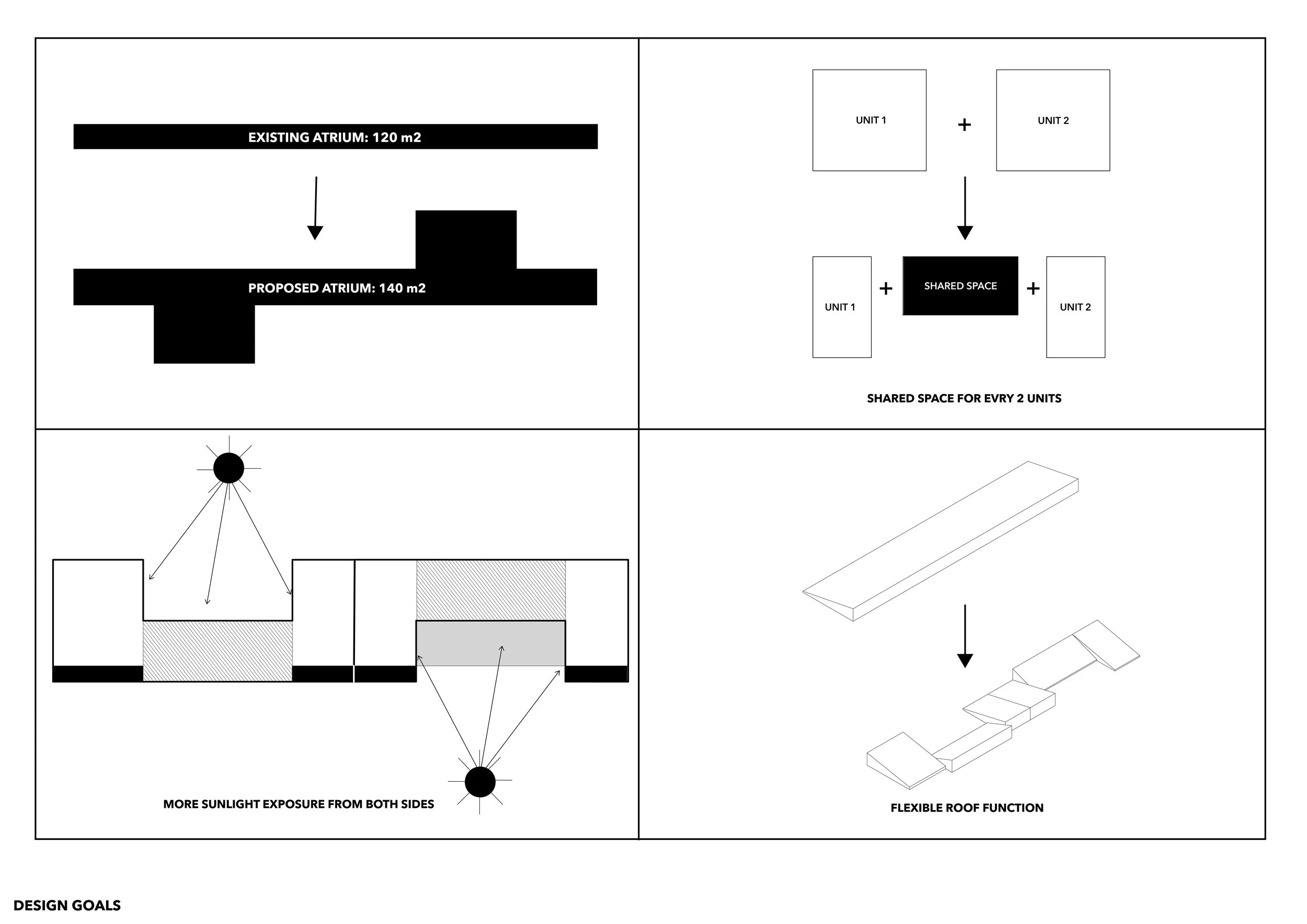
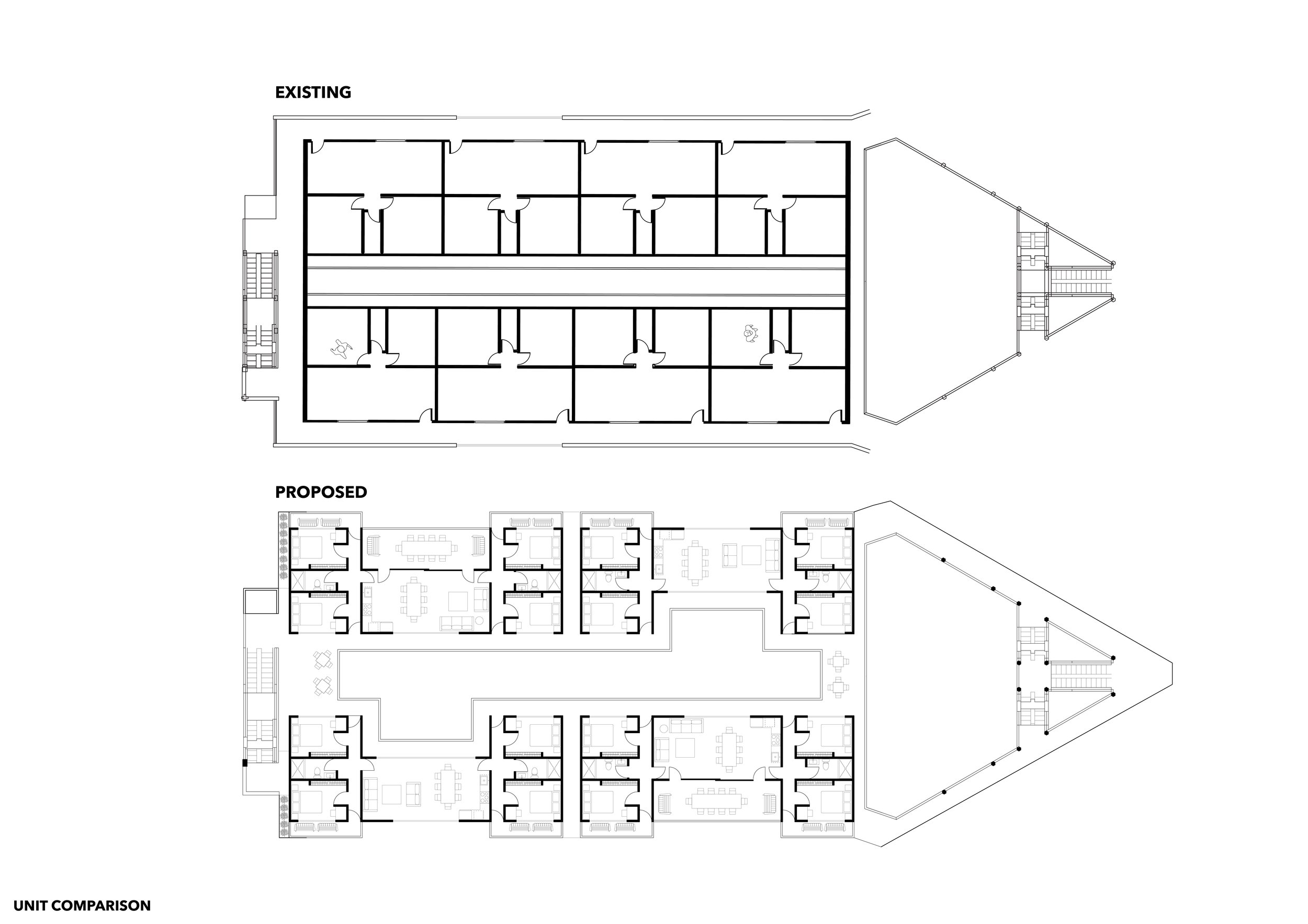
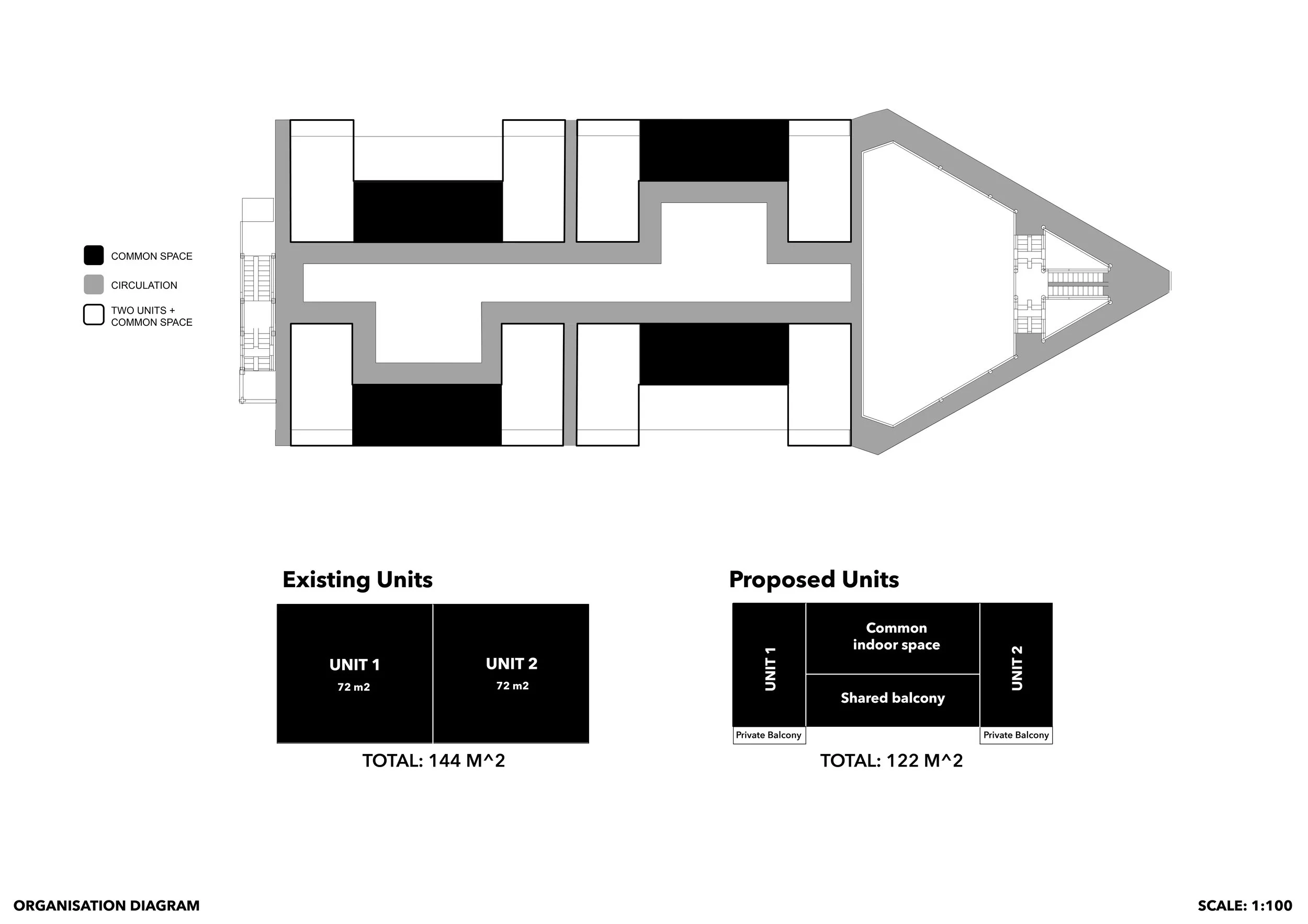
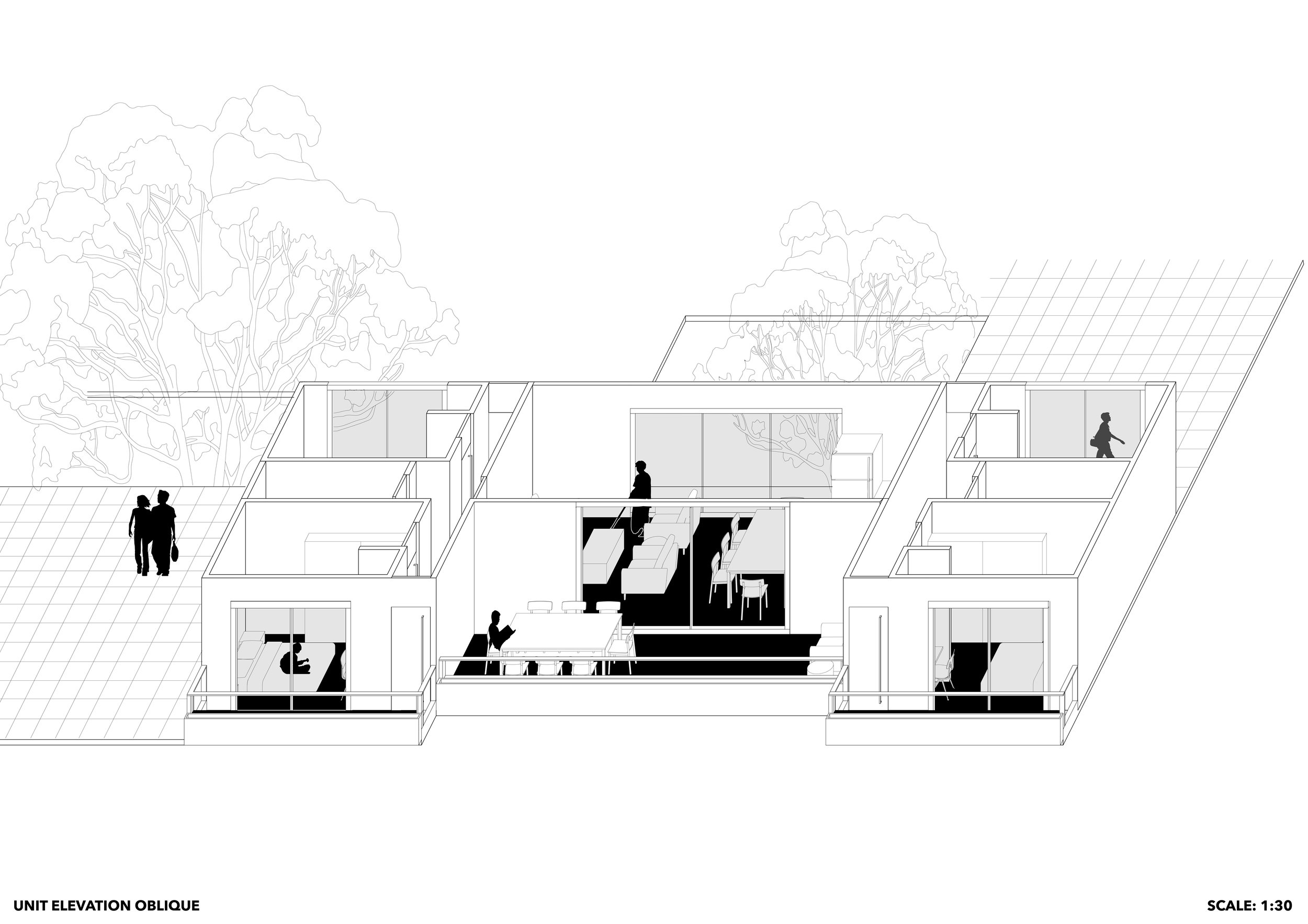
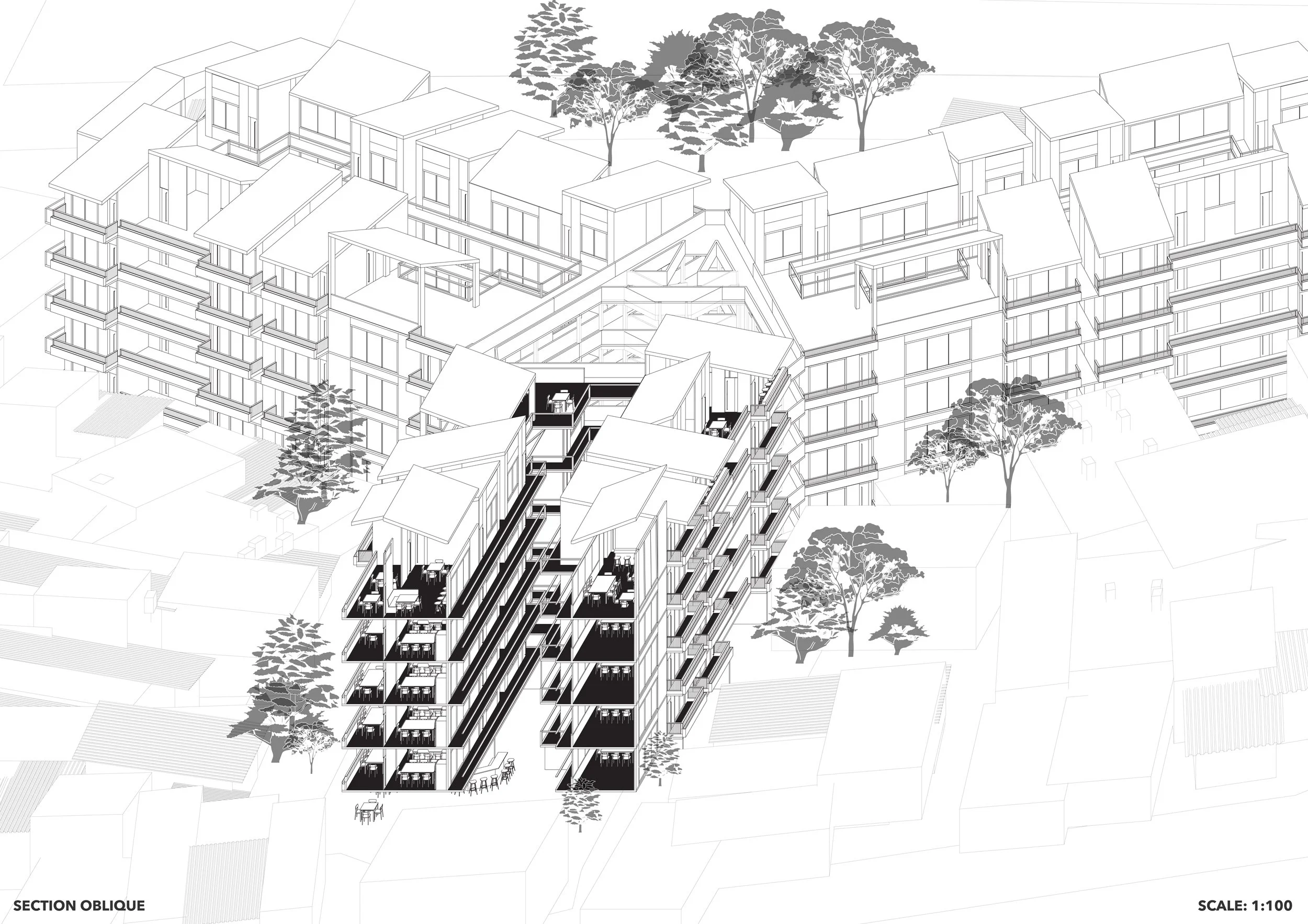
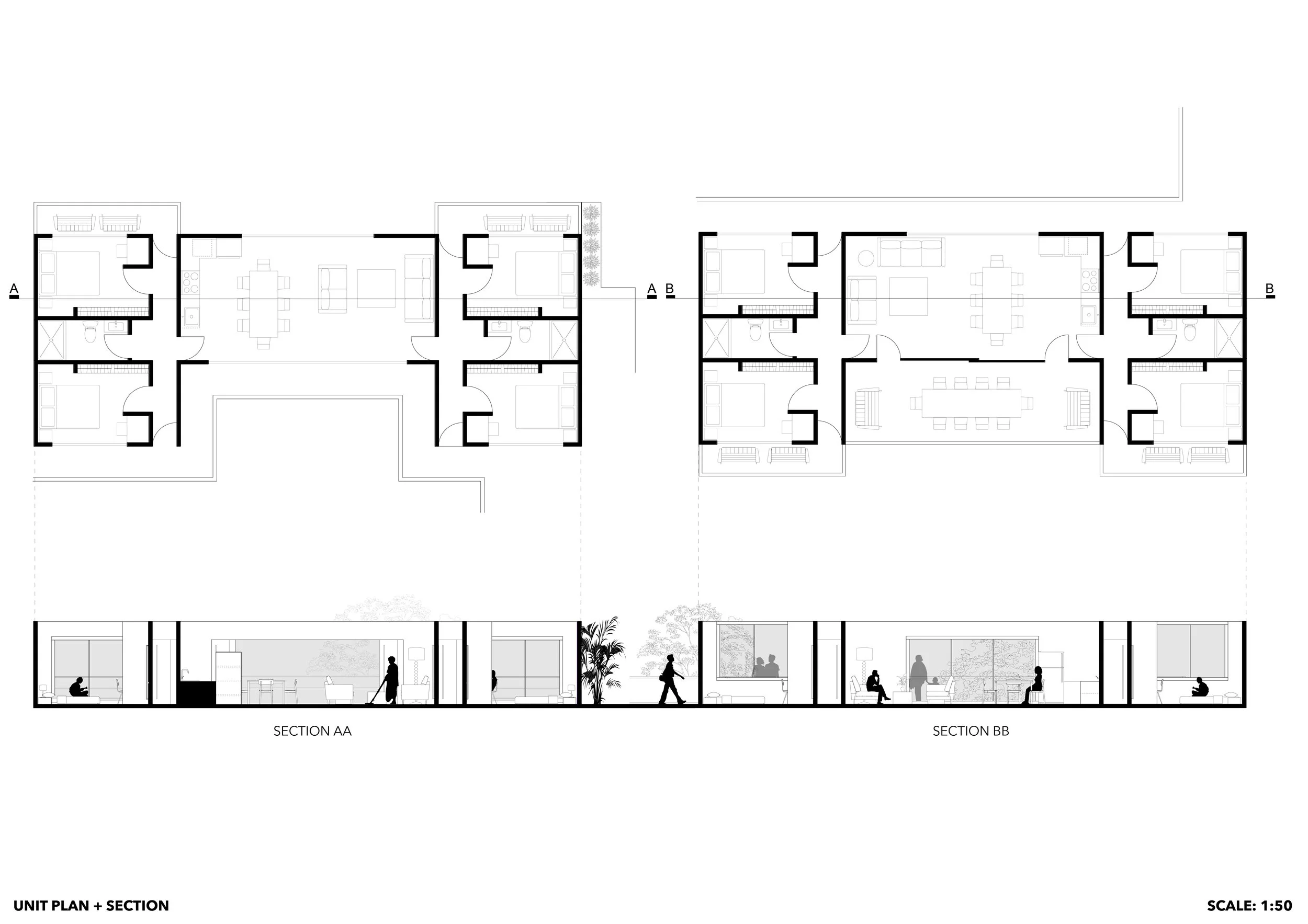
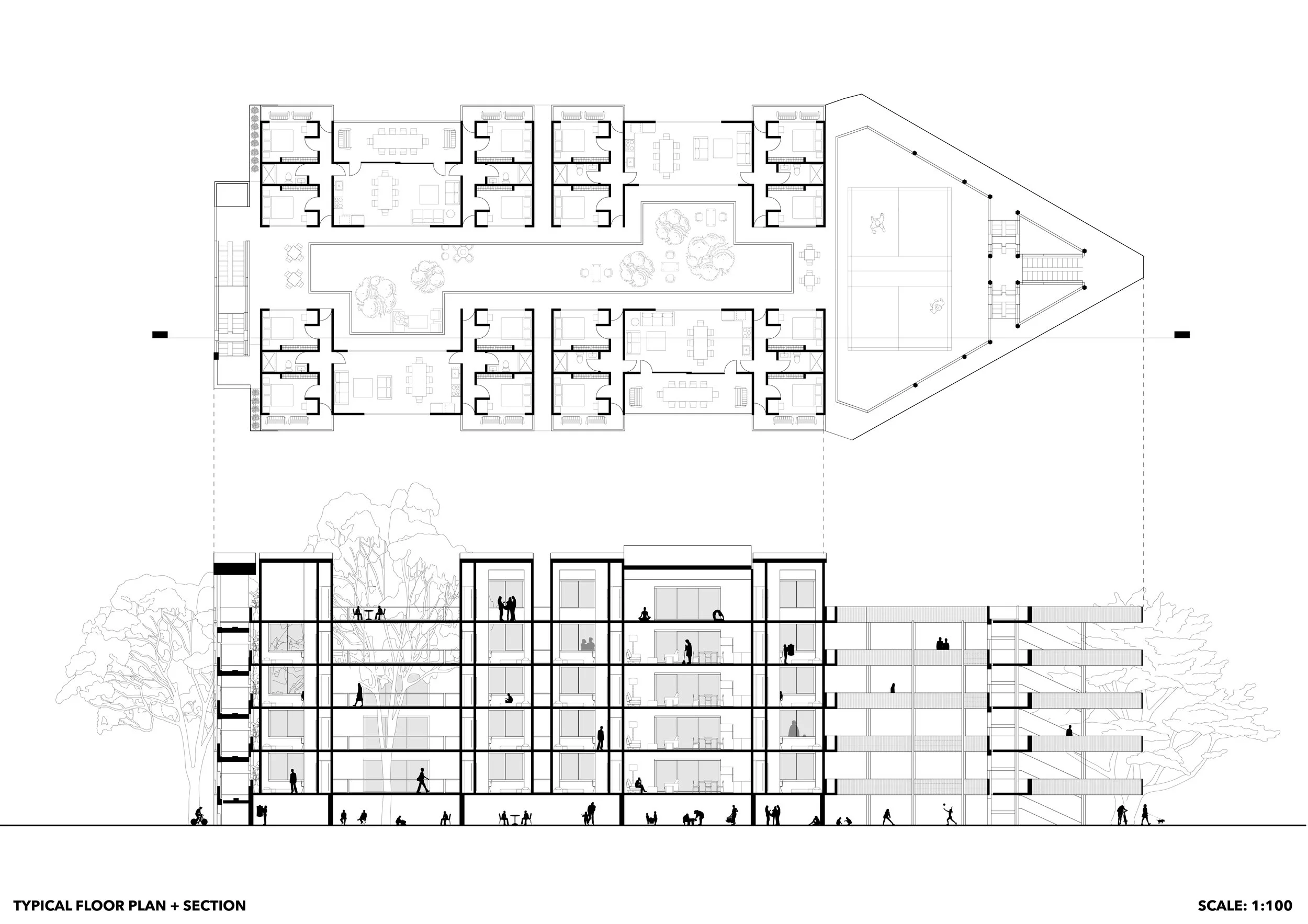
Transform the atrium into a communal area
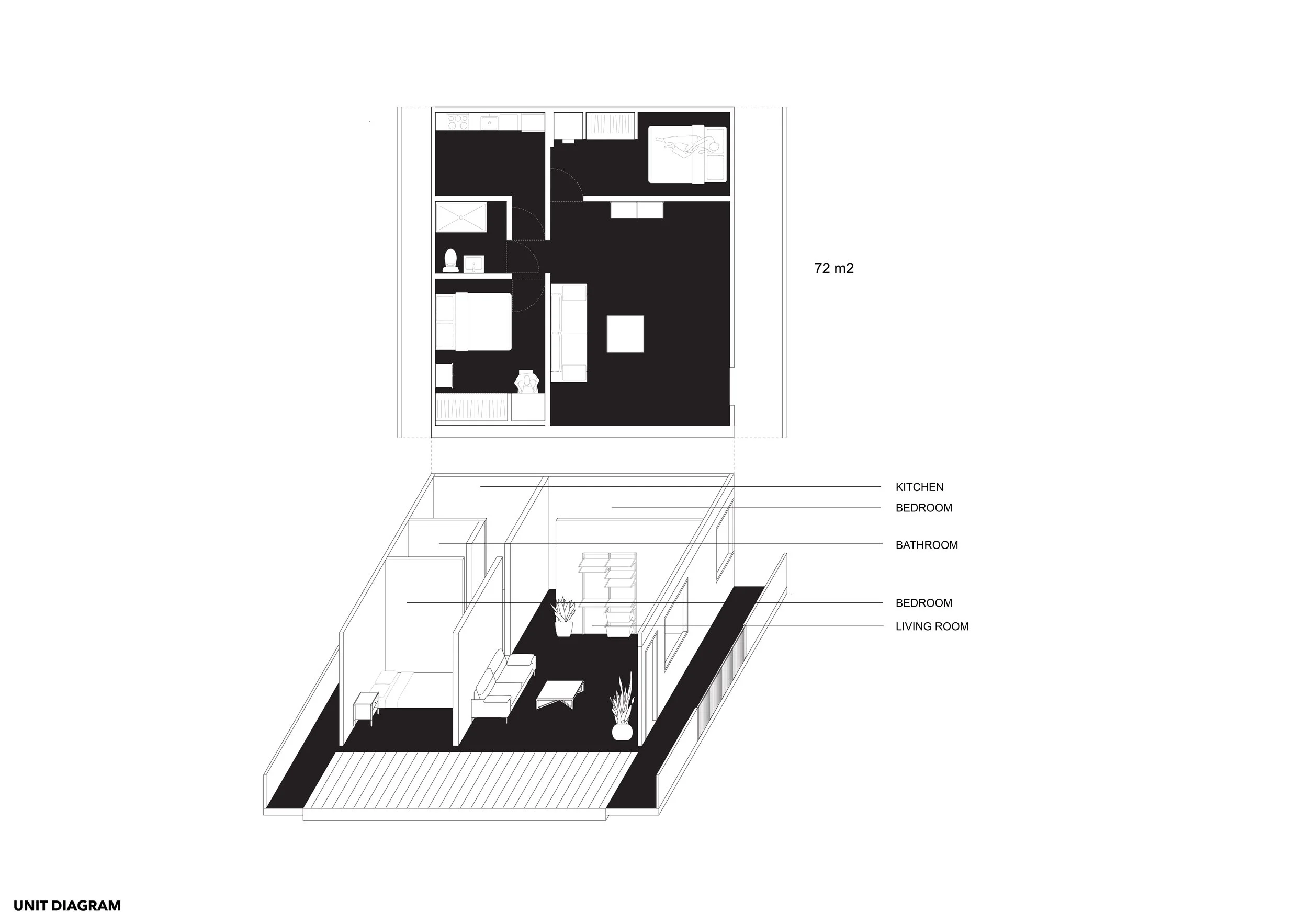
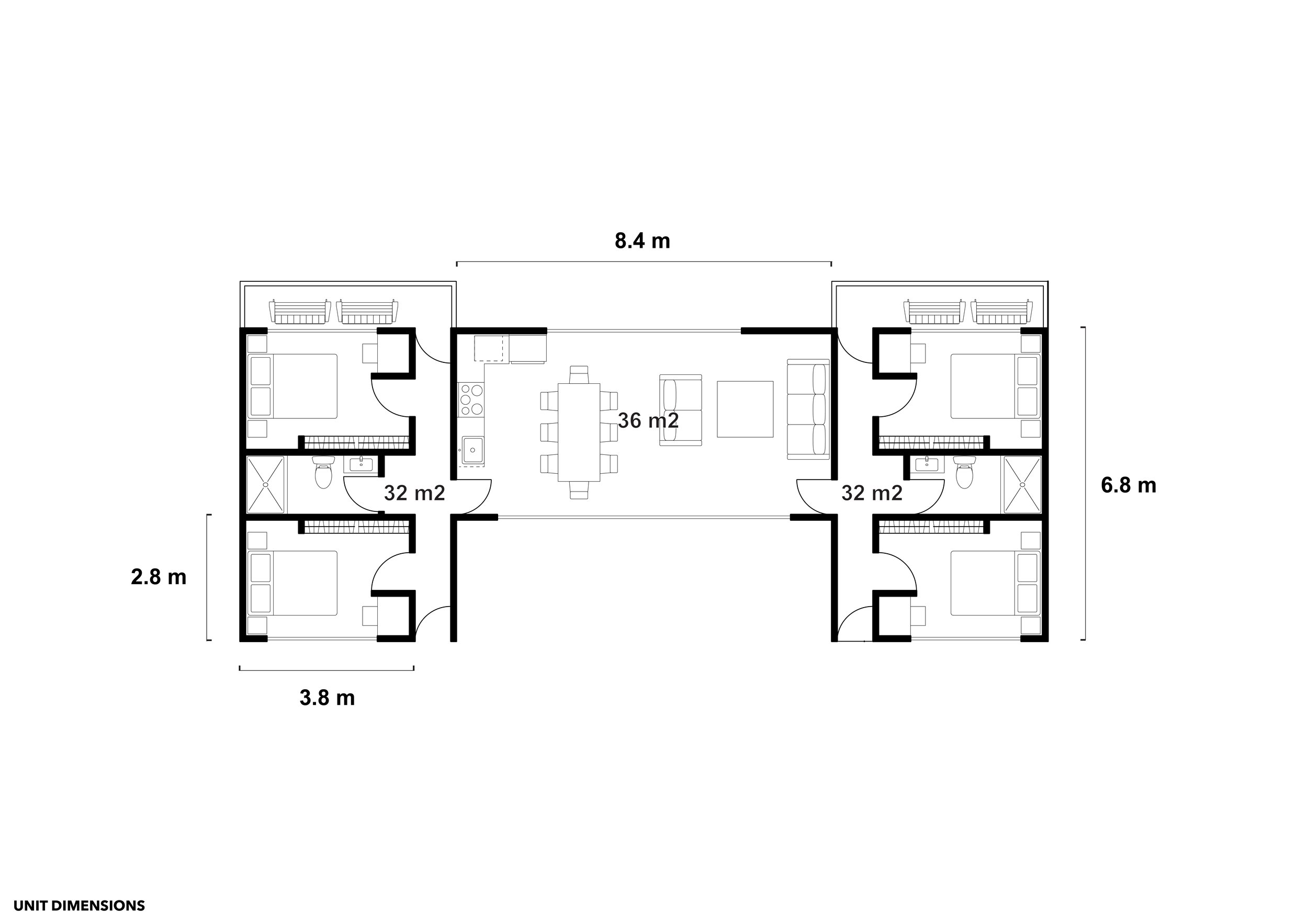
Add shared spaces into the units
Increase sunlight access and ventilation
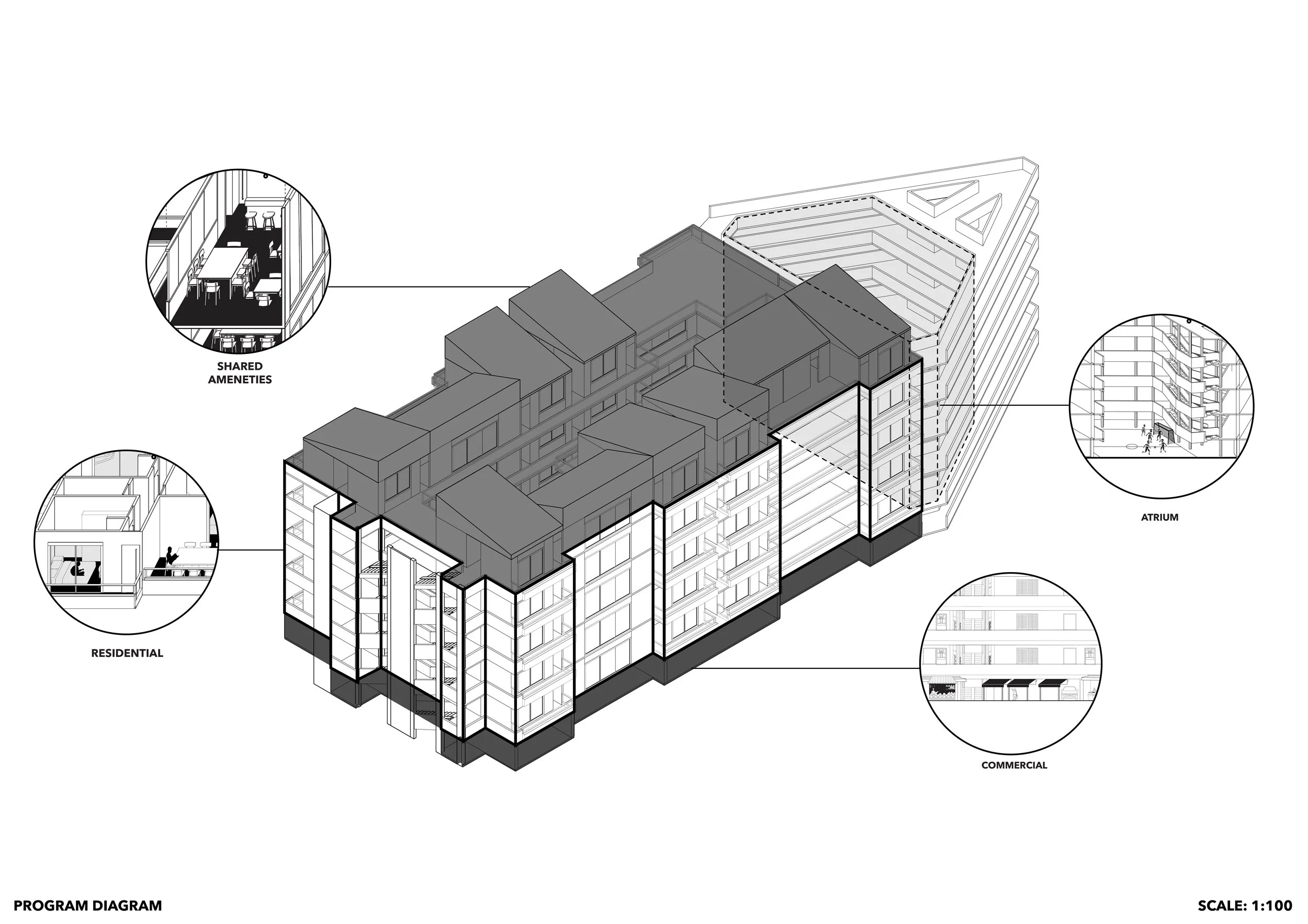
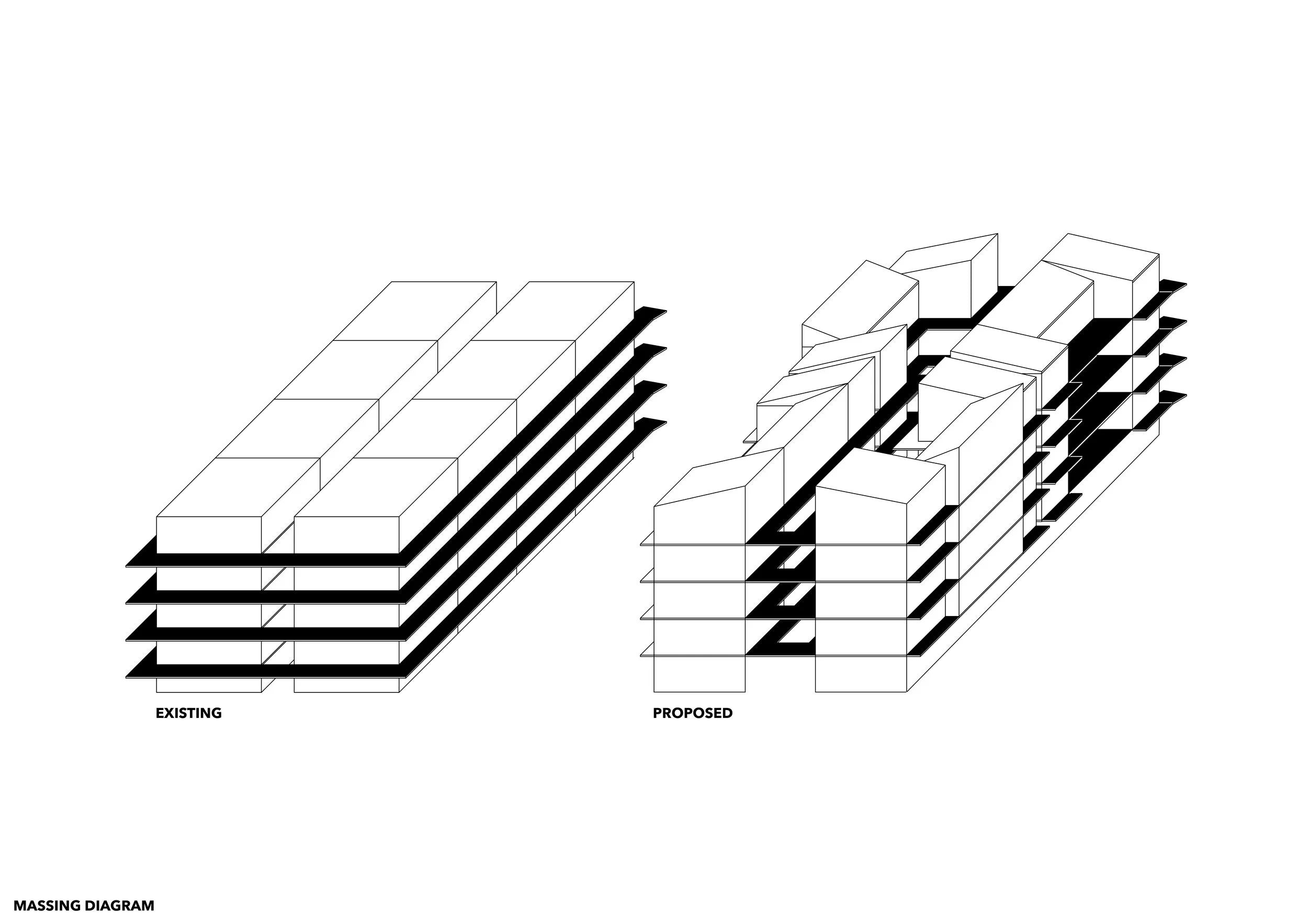
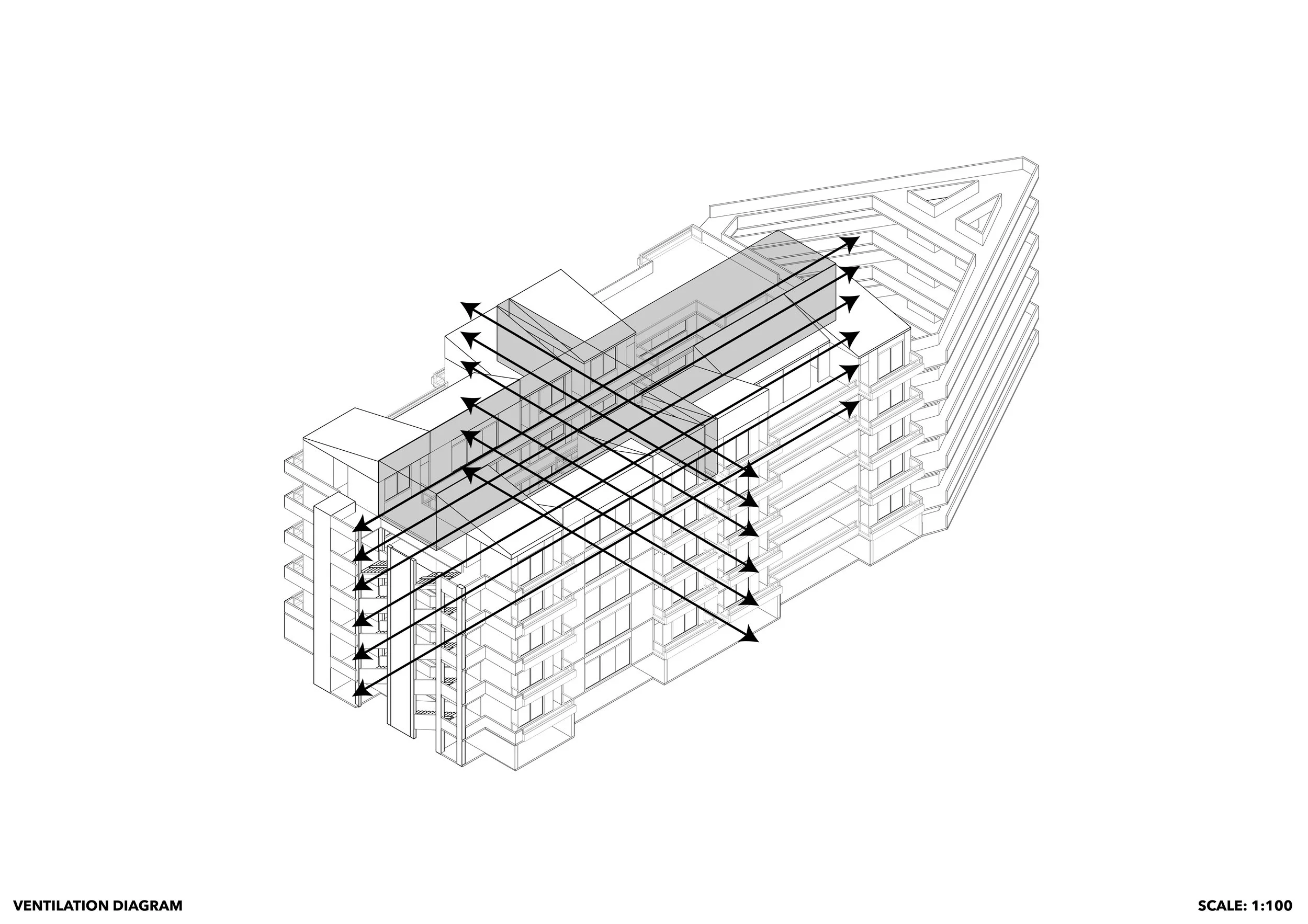
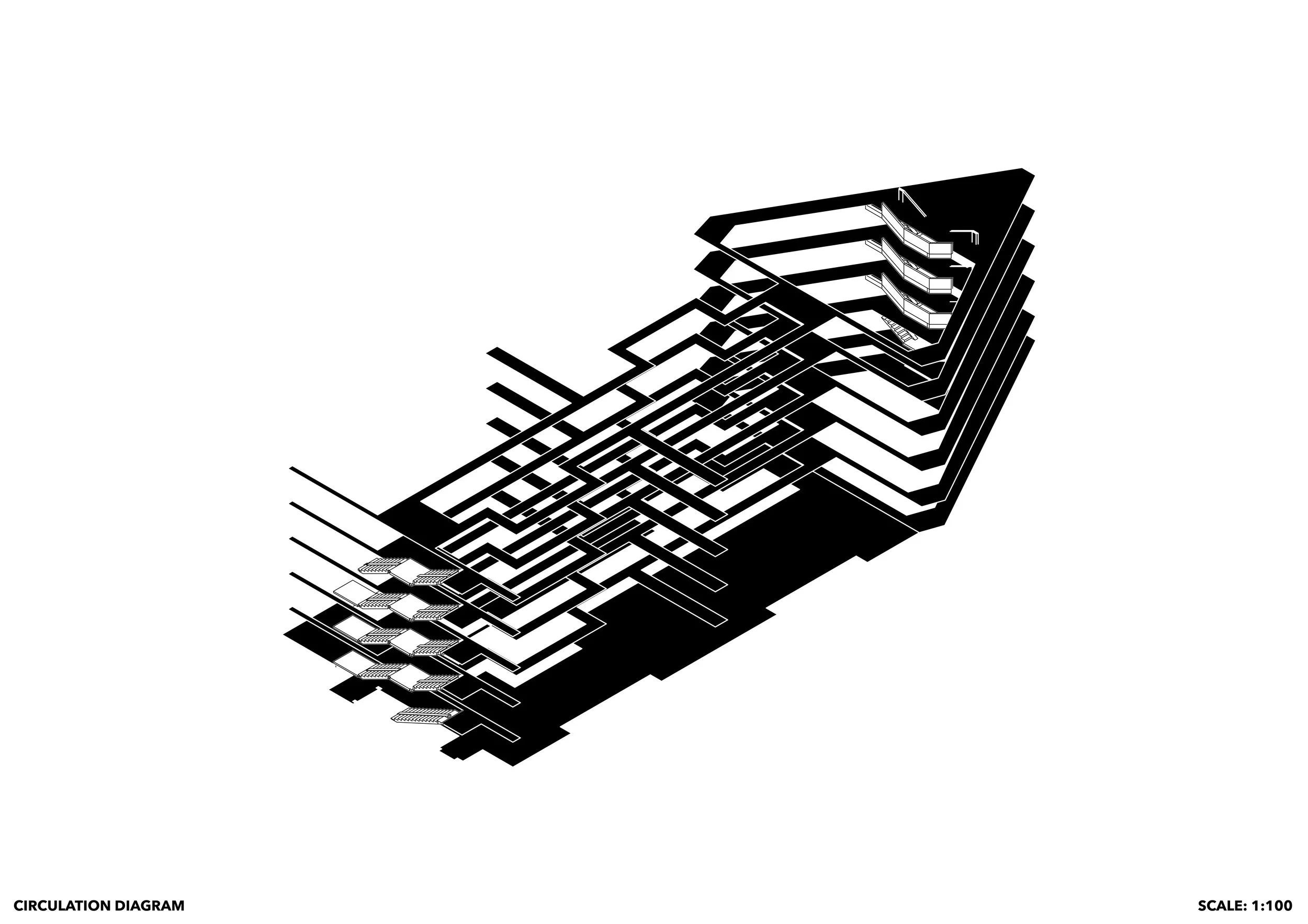
DRAWINGS
PHOTOMONTAGES