Case Study: Anatomy of the Japanese Teahouse
SHOKIN-TEI, KATSURA IMPERIAL VILLA, KYOTO, JAPAN
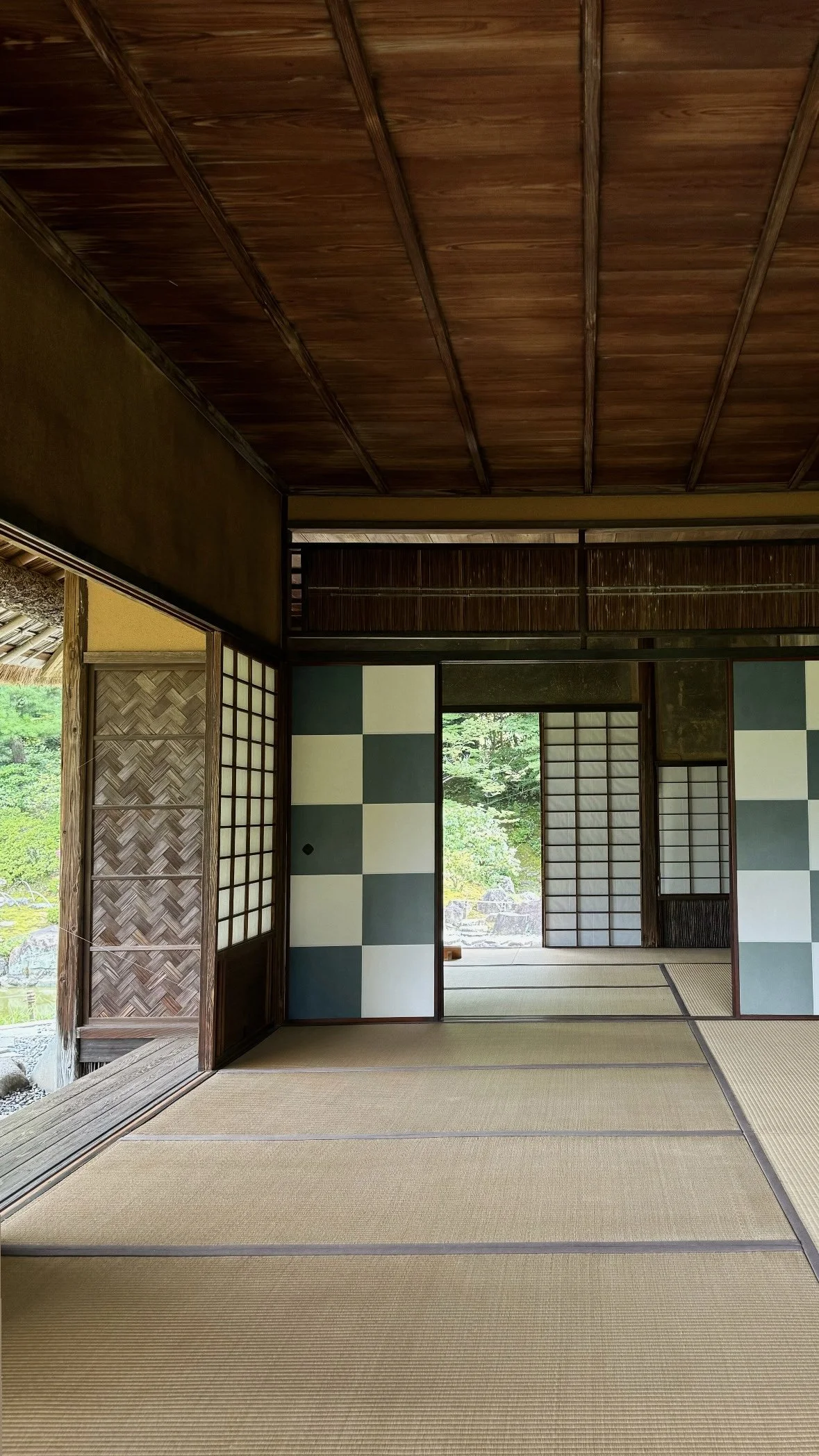
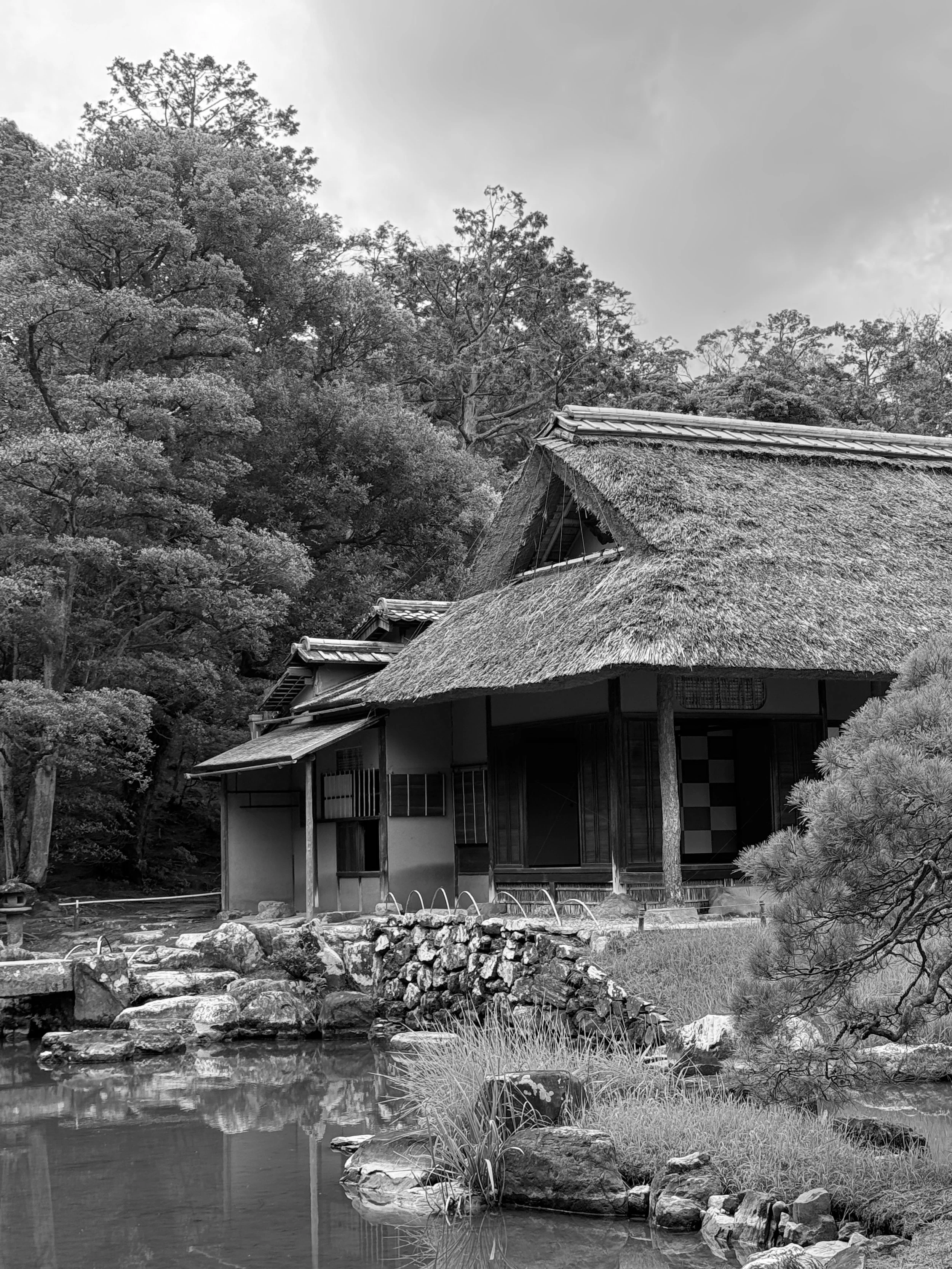
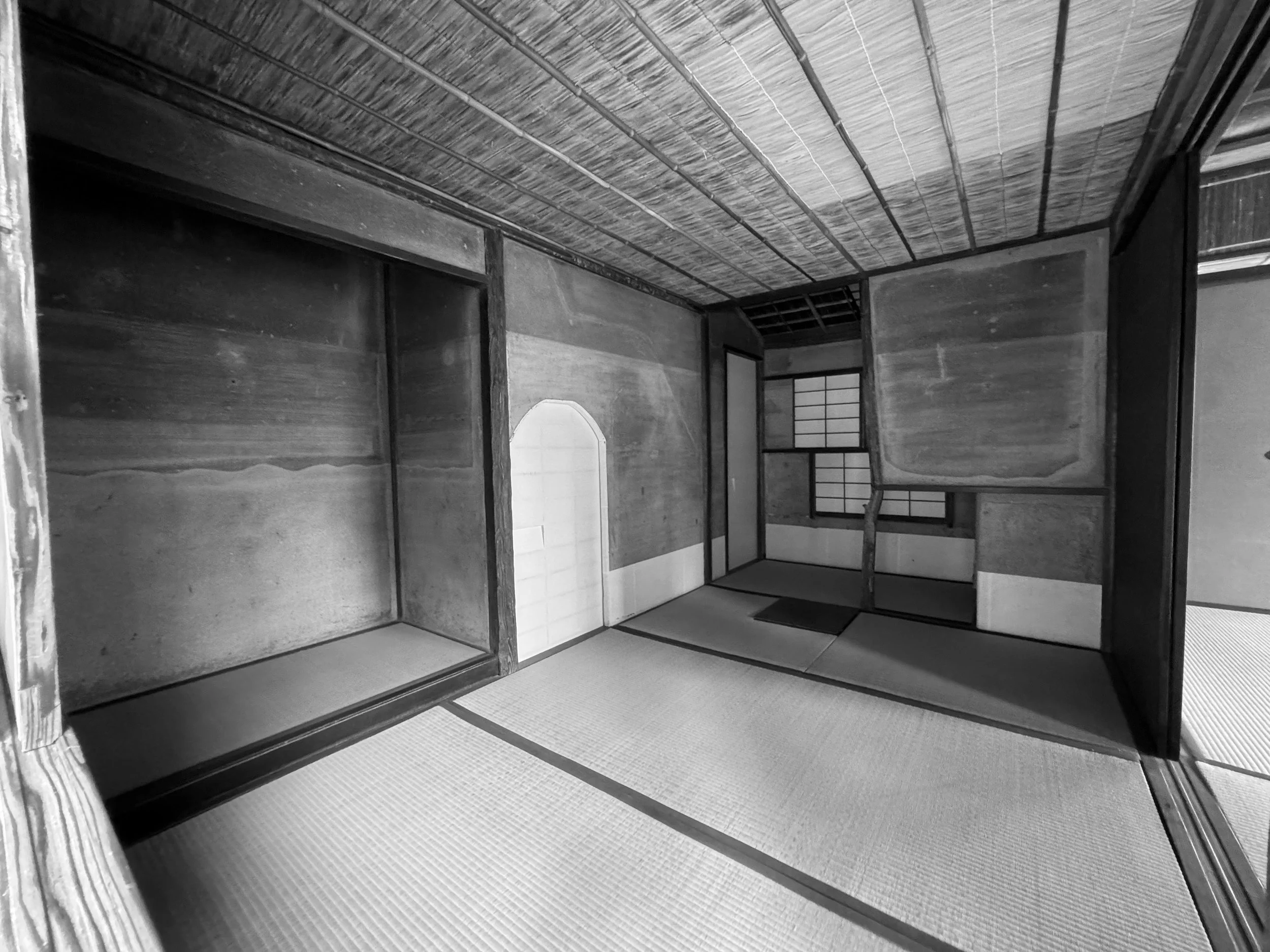
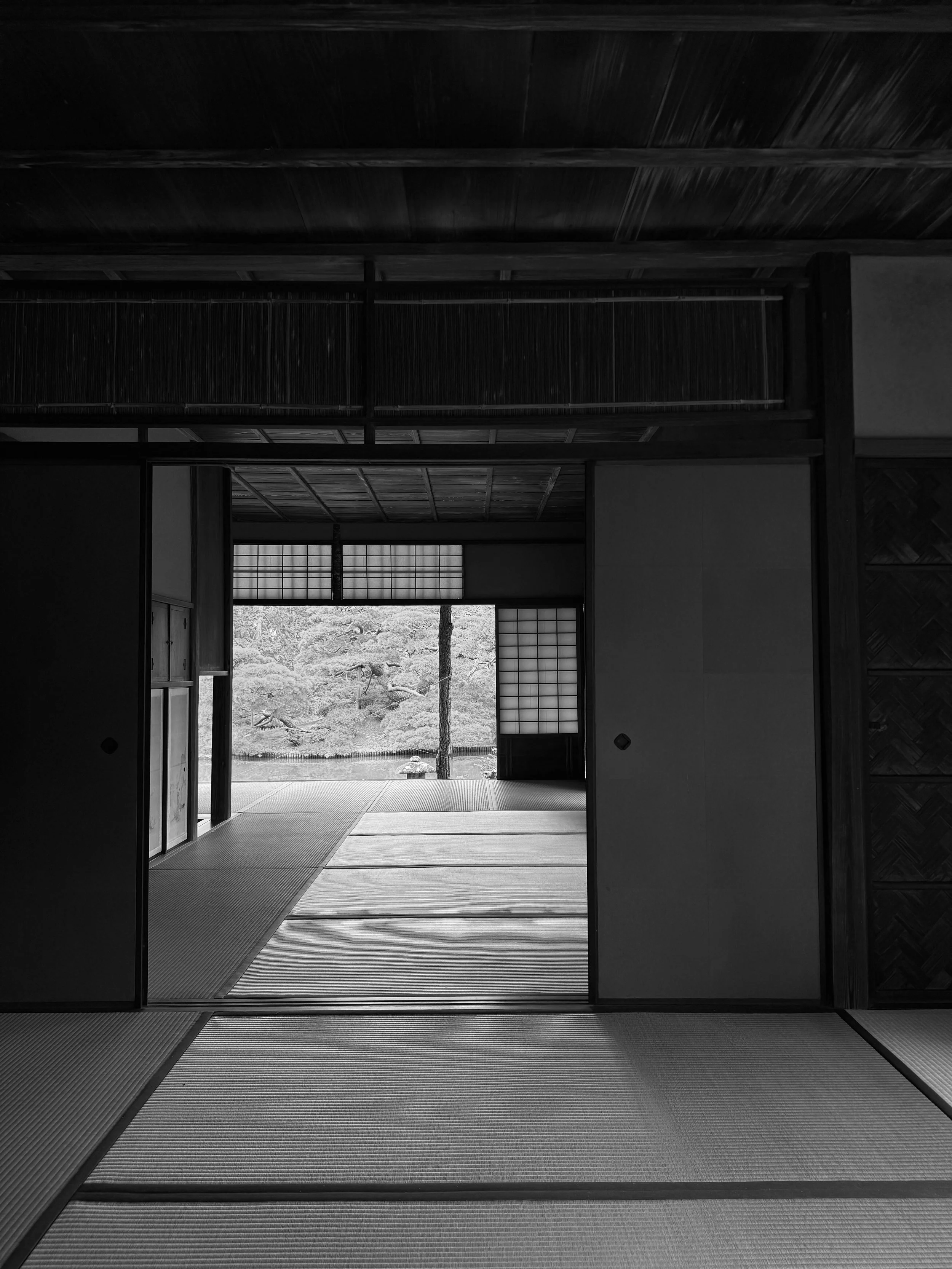
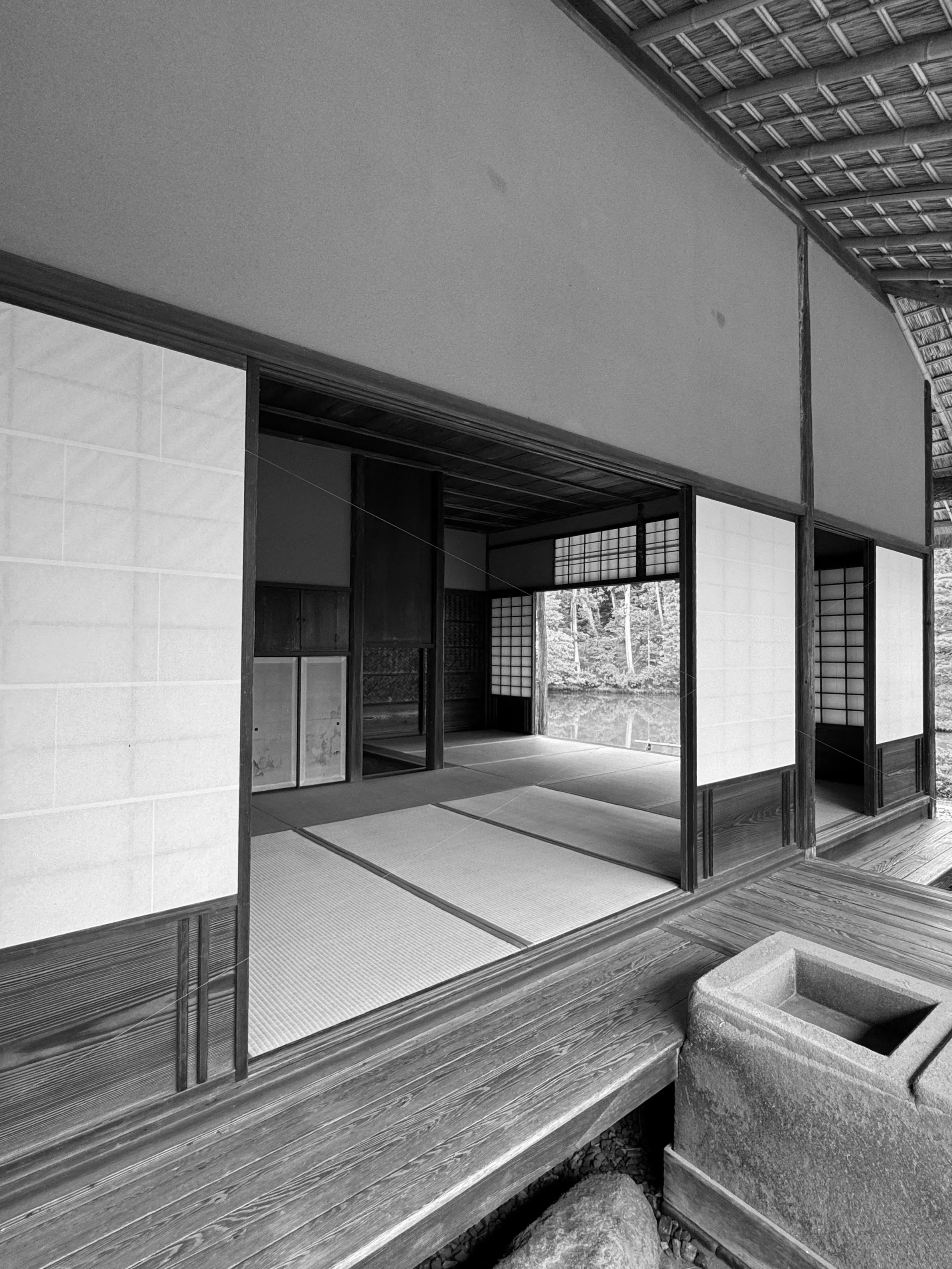
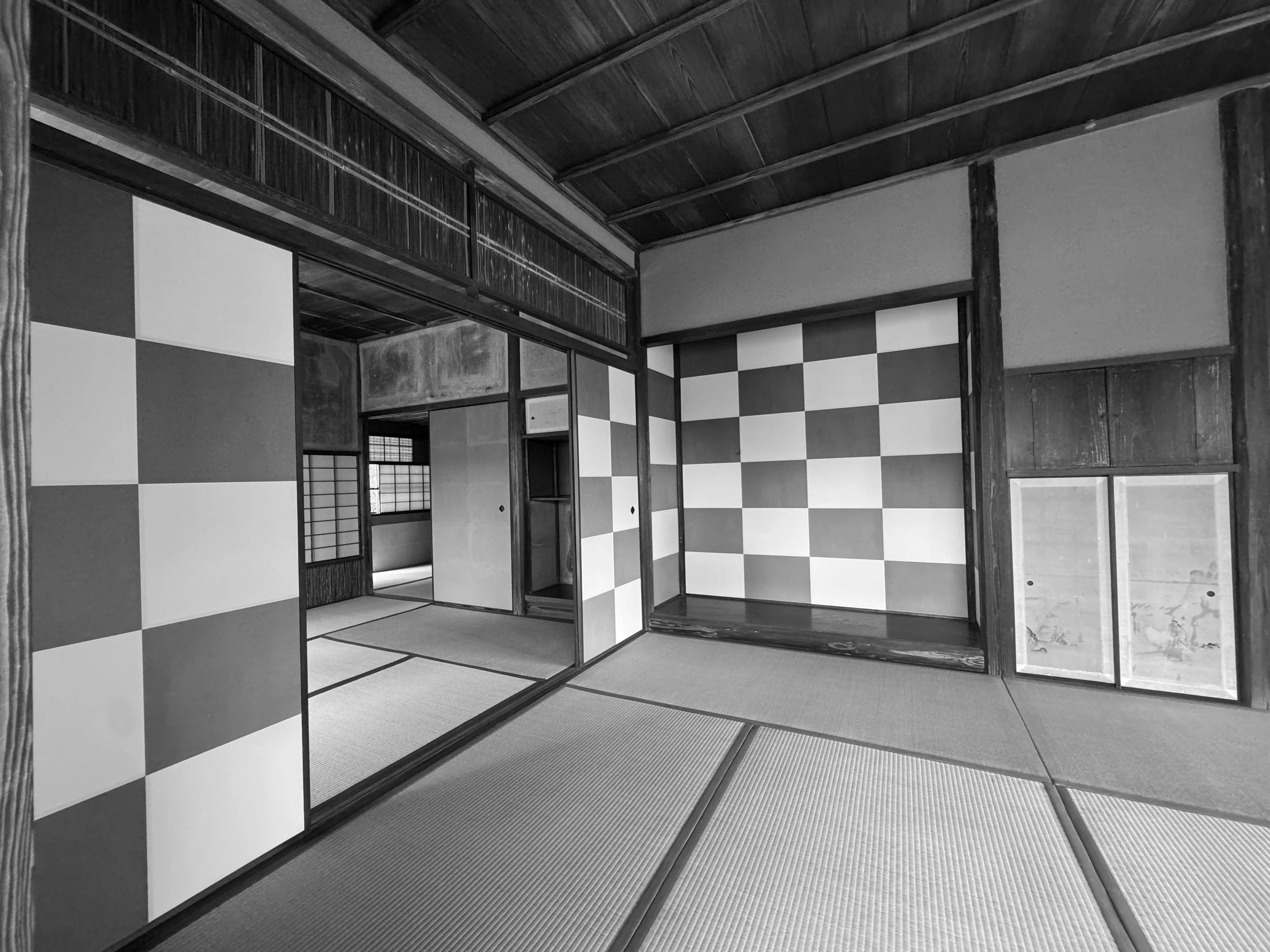
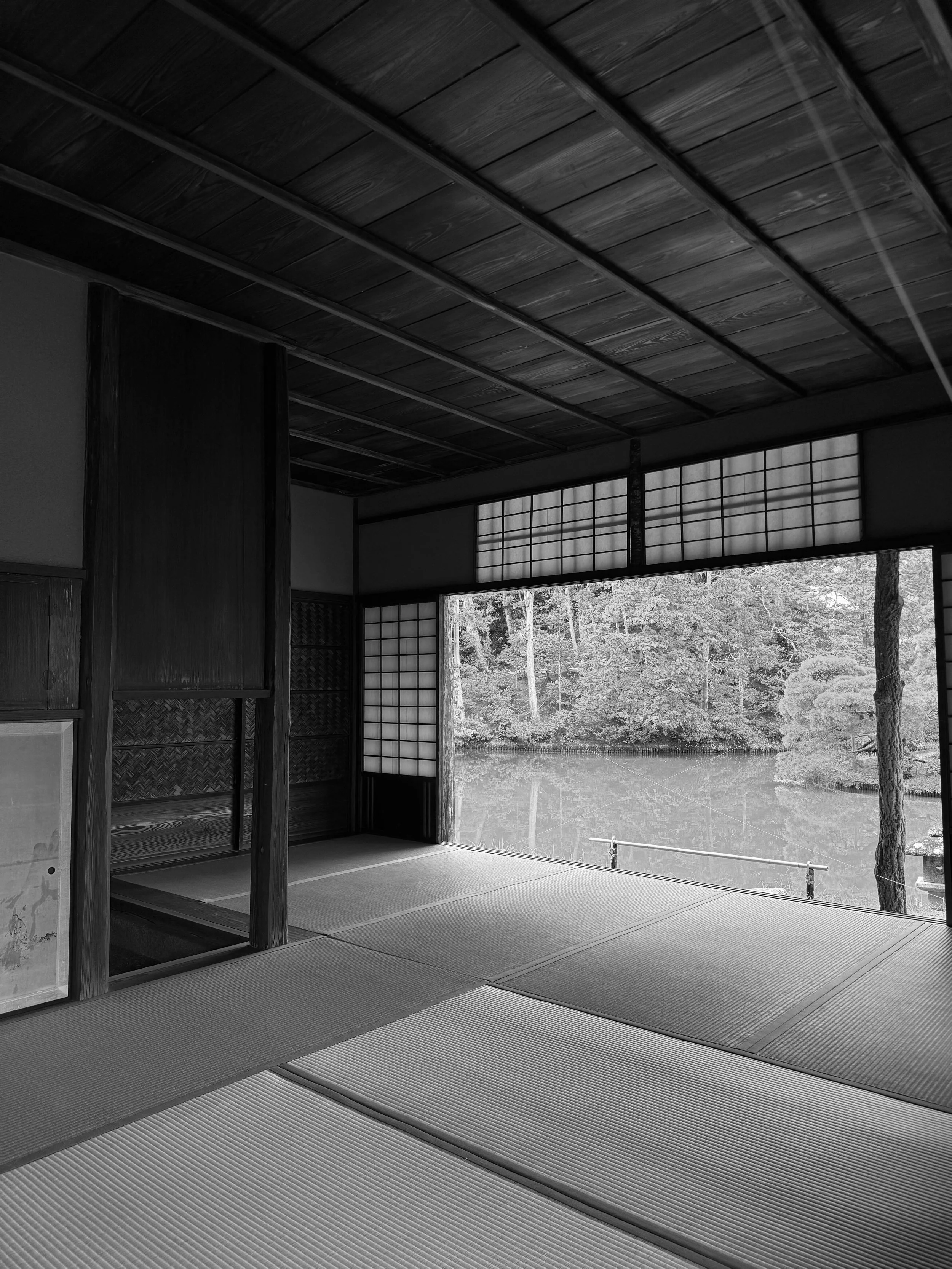
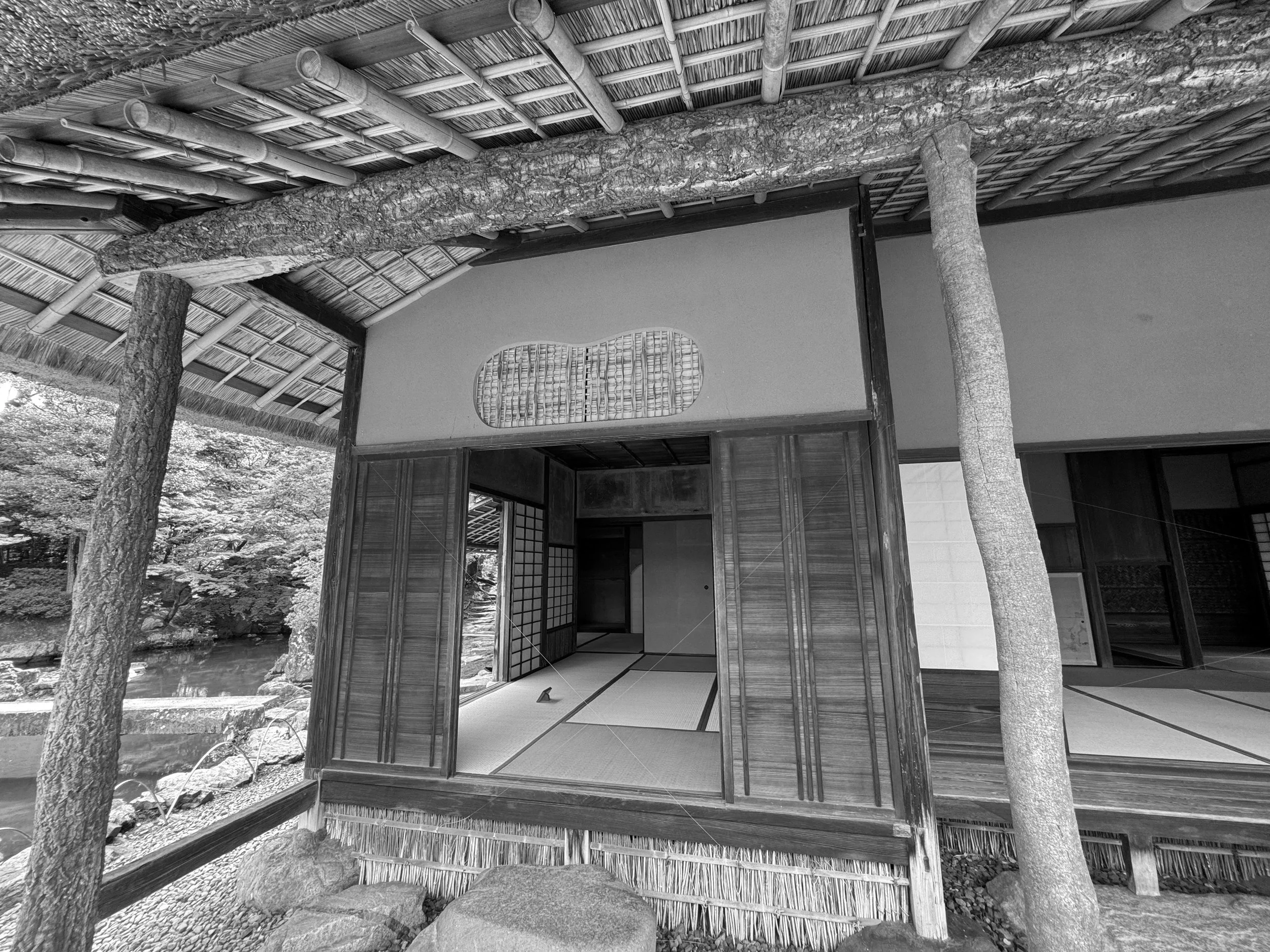
SITE VISIT: PHOTOGRAPHY DOCUMENTATION
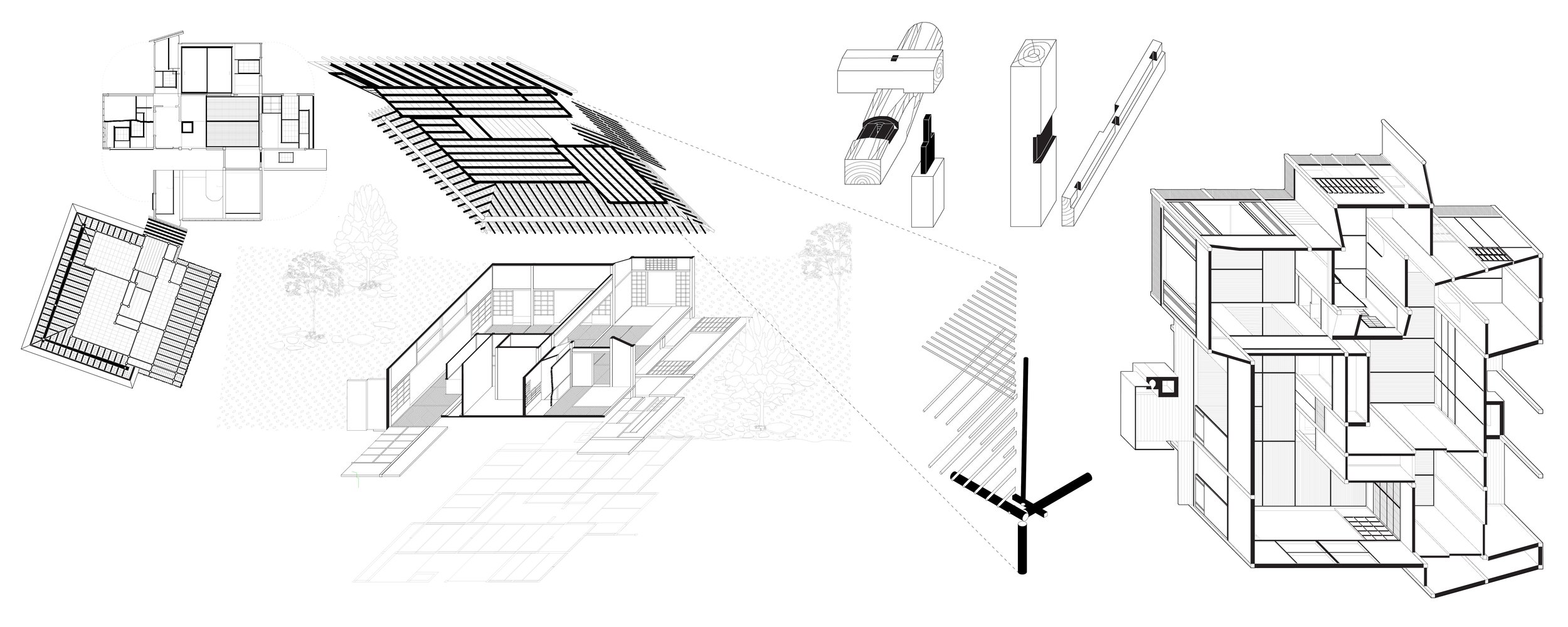
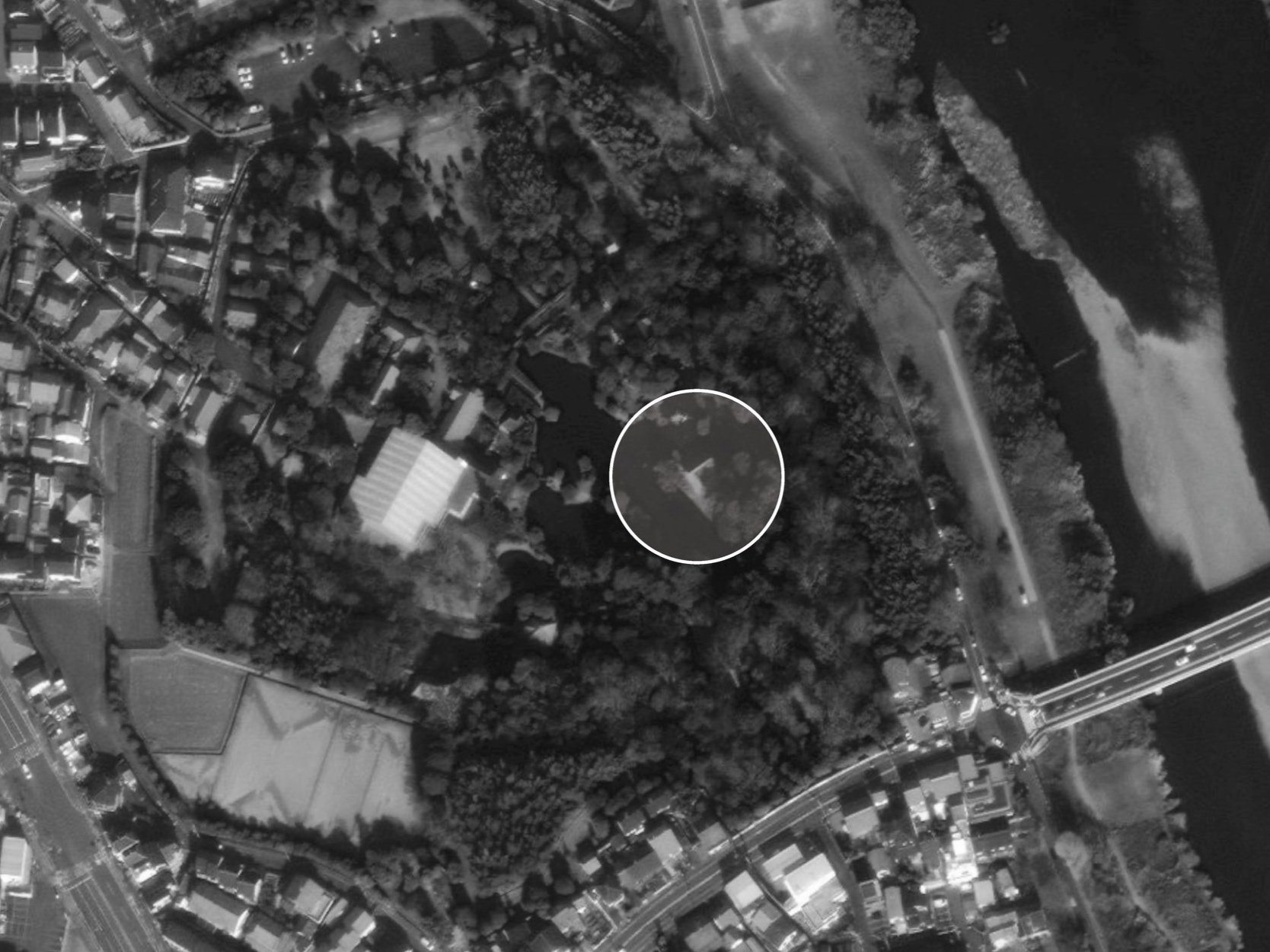
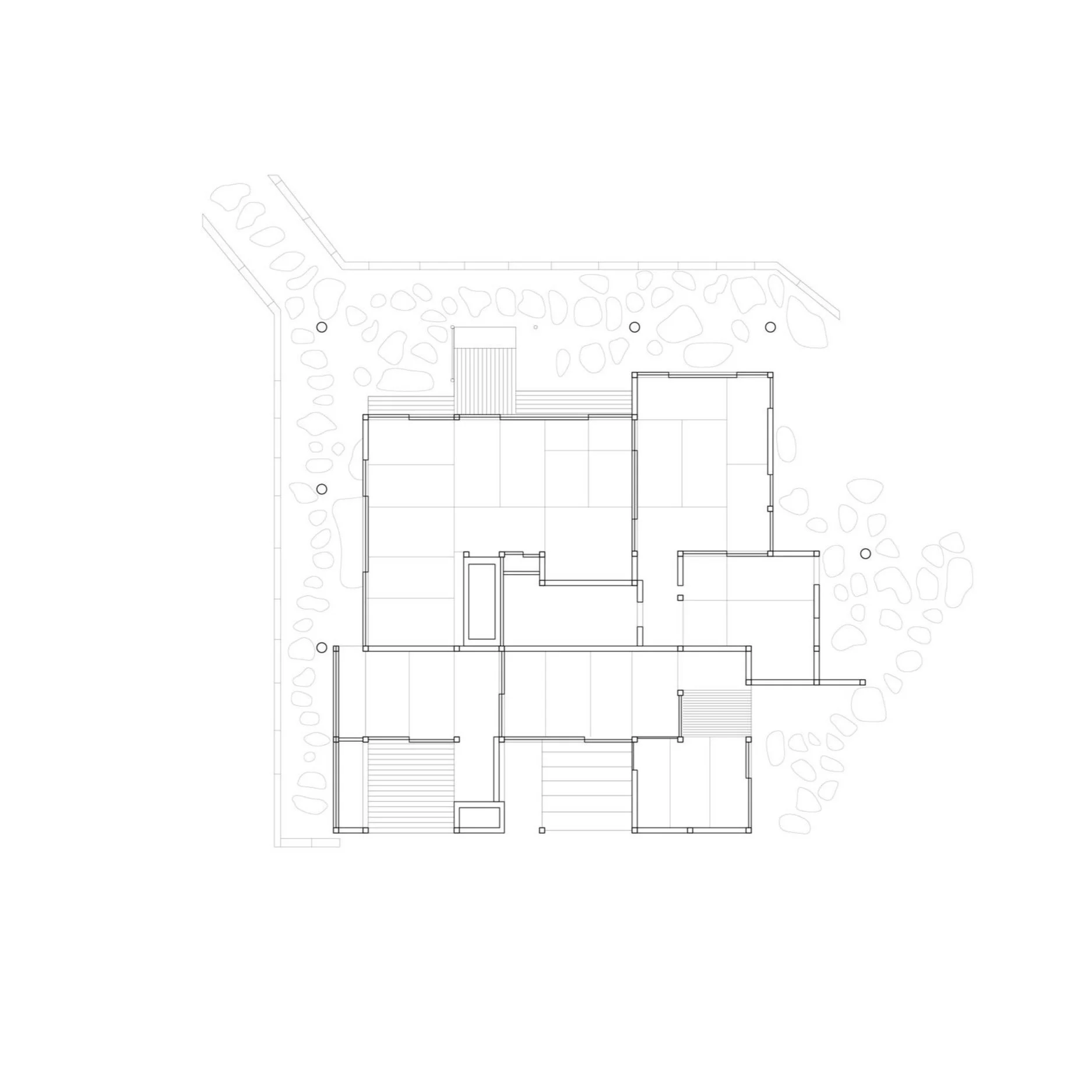
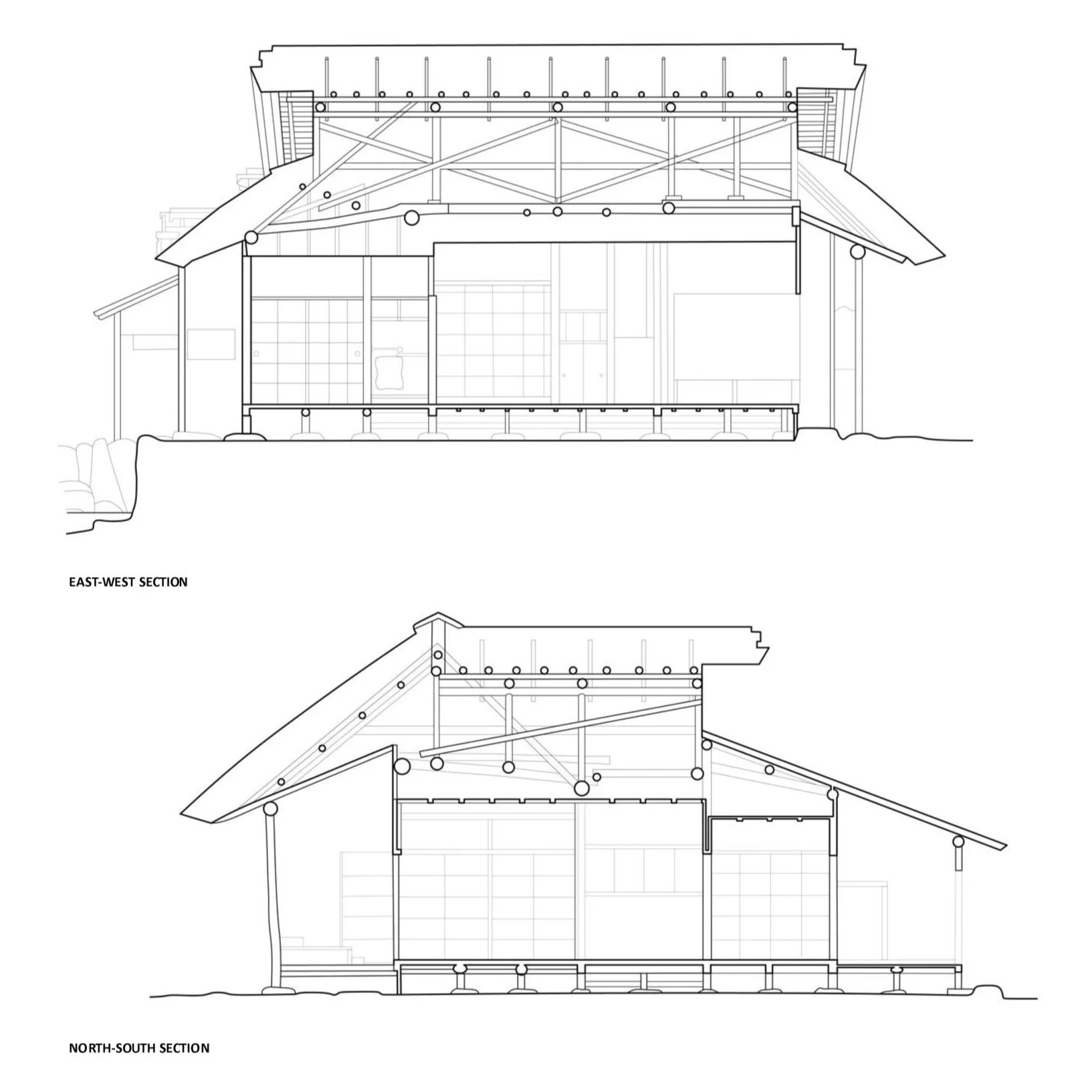
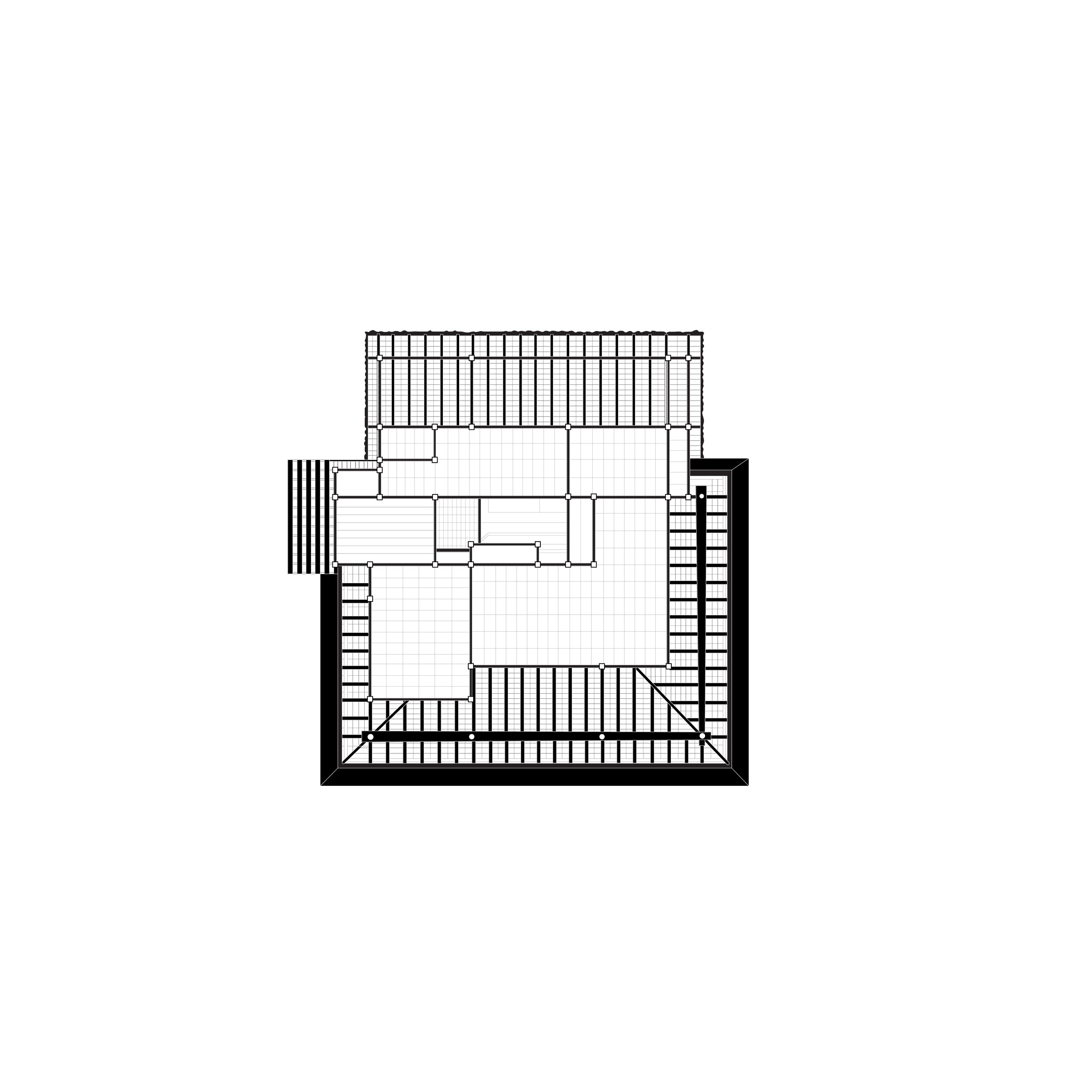
Case Study: Anatomy of the Japanese Teahouse is a precedent-based design research project that focuses on a unique and significant architectural typology that’s characteristic of traditional Japanese culture, the teahouse or chashitsu (茶室, “tea room”). From a list of important Japanese teahouses, I chose Shokin-Tei situated in Katsura Imperial Villa, and studied the formal, spatial, structural, and material properties of their case study through a series of orthographic, isometric, and oblique drawings that examine the teahouse at several distinct scales: the house and garden, the interior environment and elements—specifically, the relationship between structure and space, and a key architectural detail.
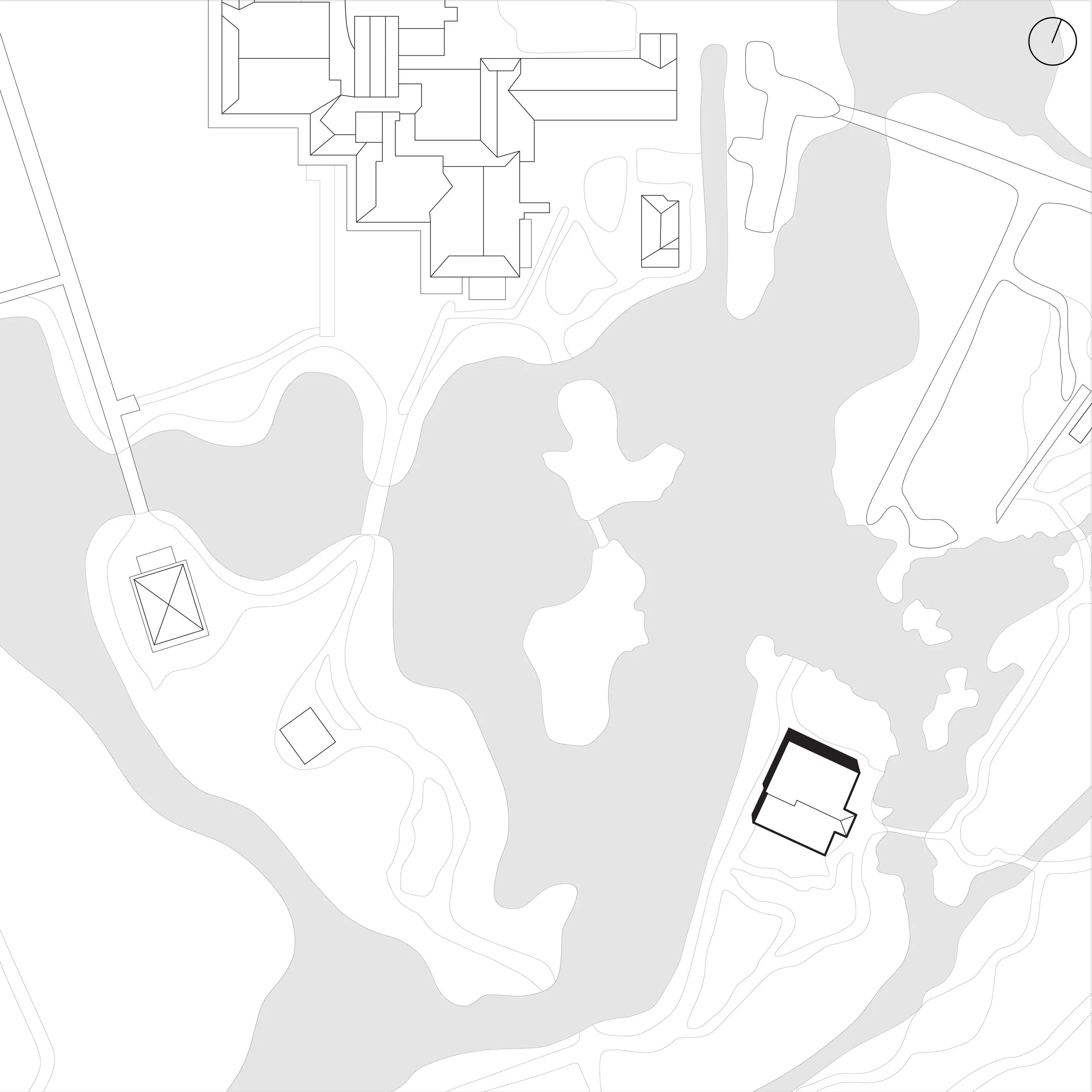
SITE PLAN
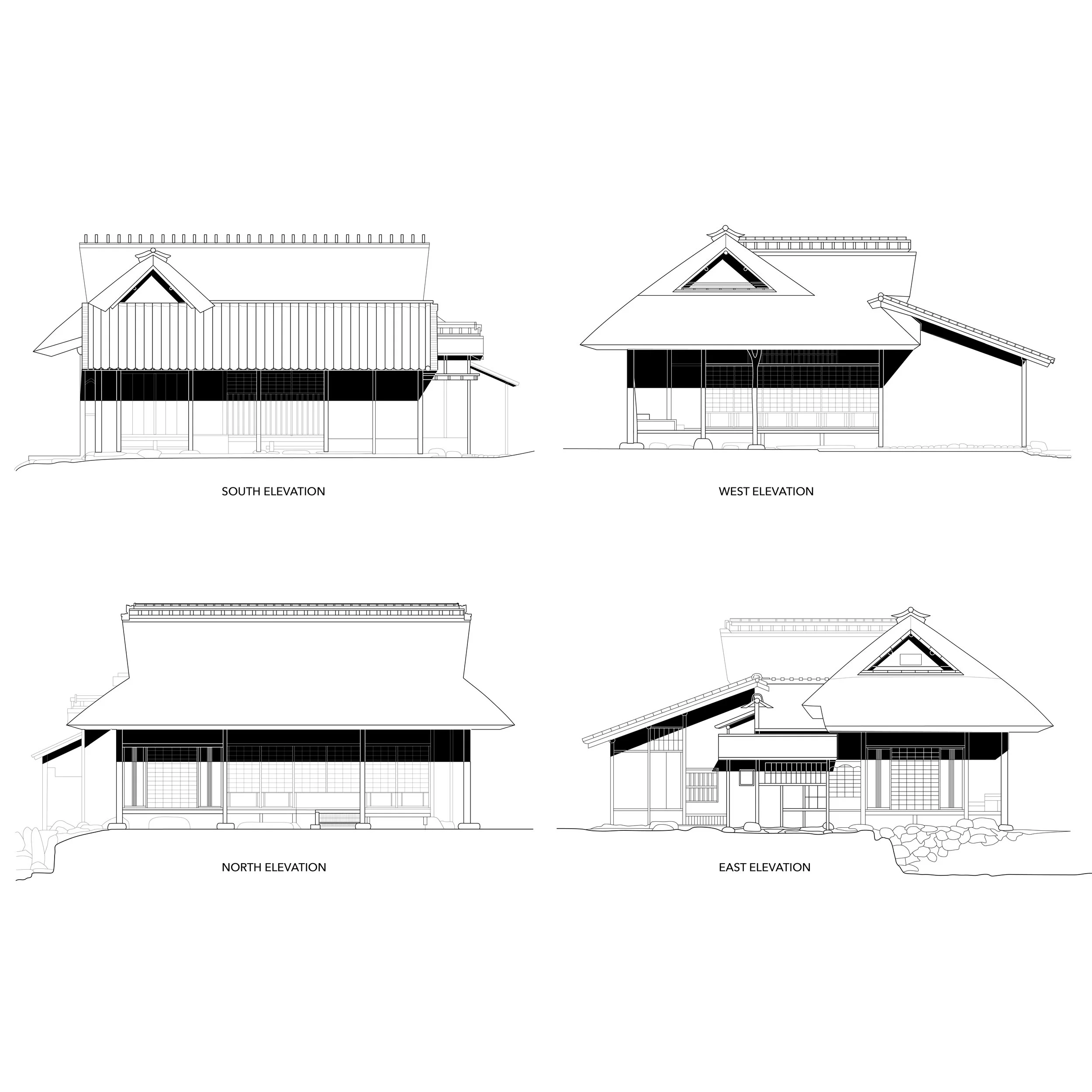
ORTHOGRAPHIC DRAWINGS
ANALYTICAL DRAWINGS
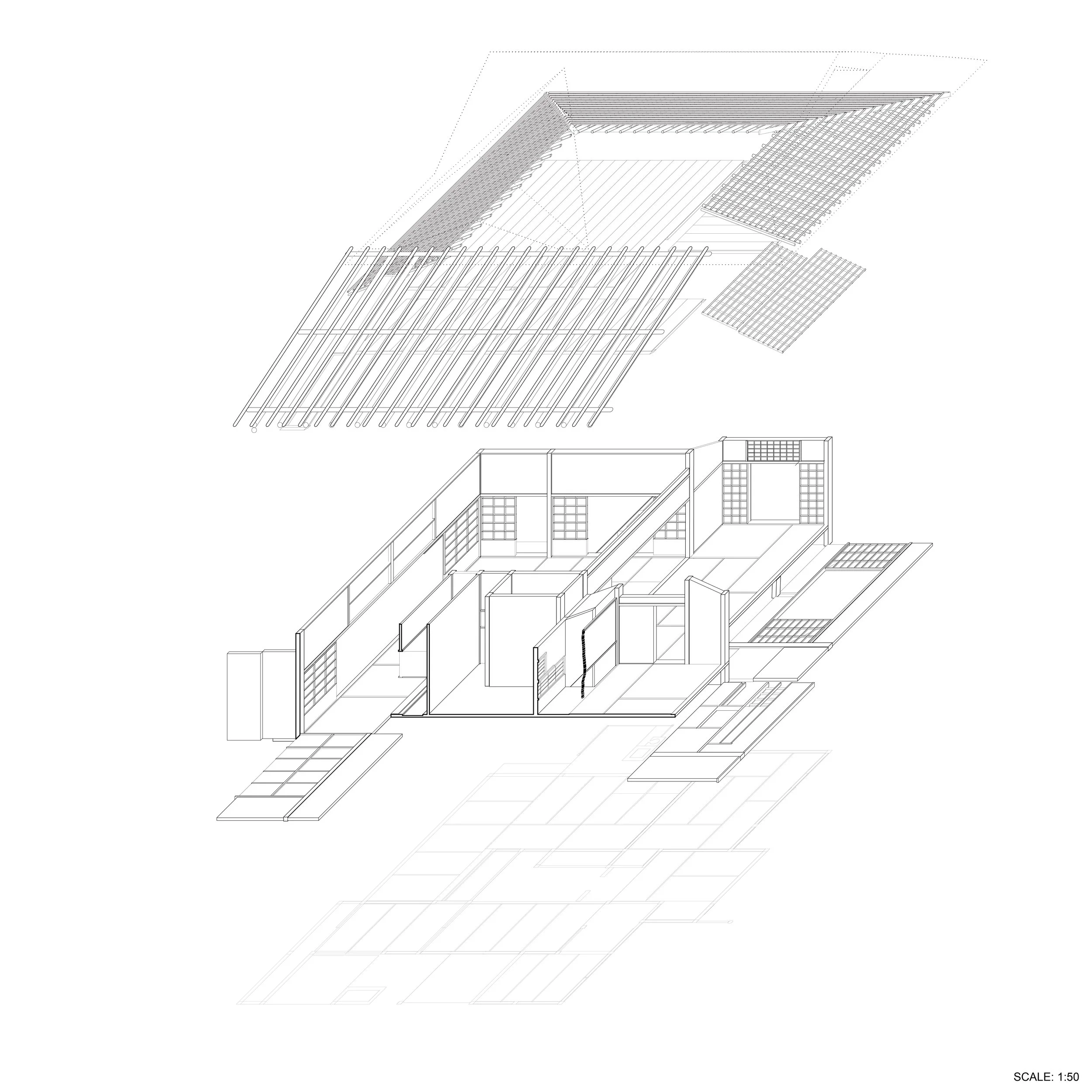
ROOF WORM’S-EYE VIEW
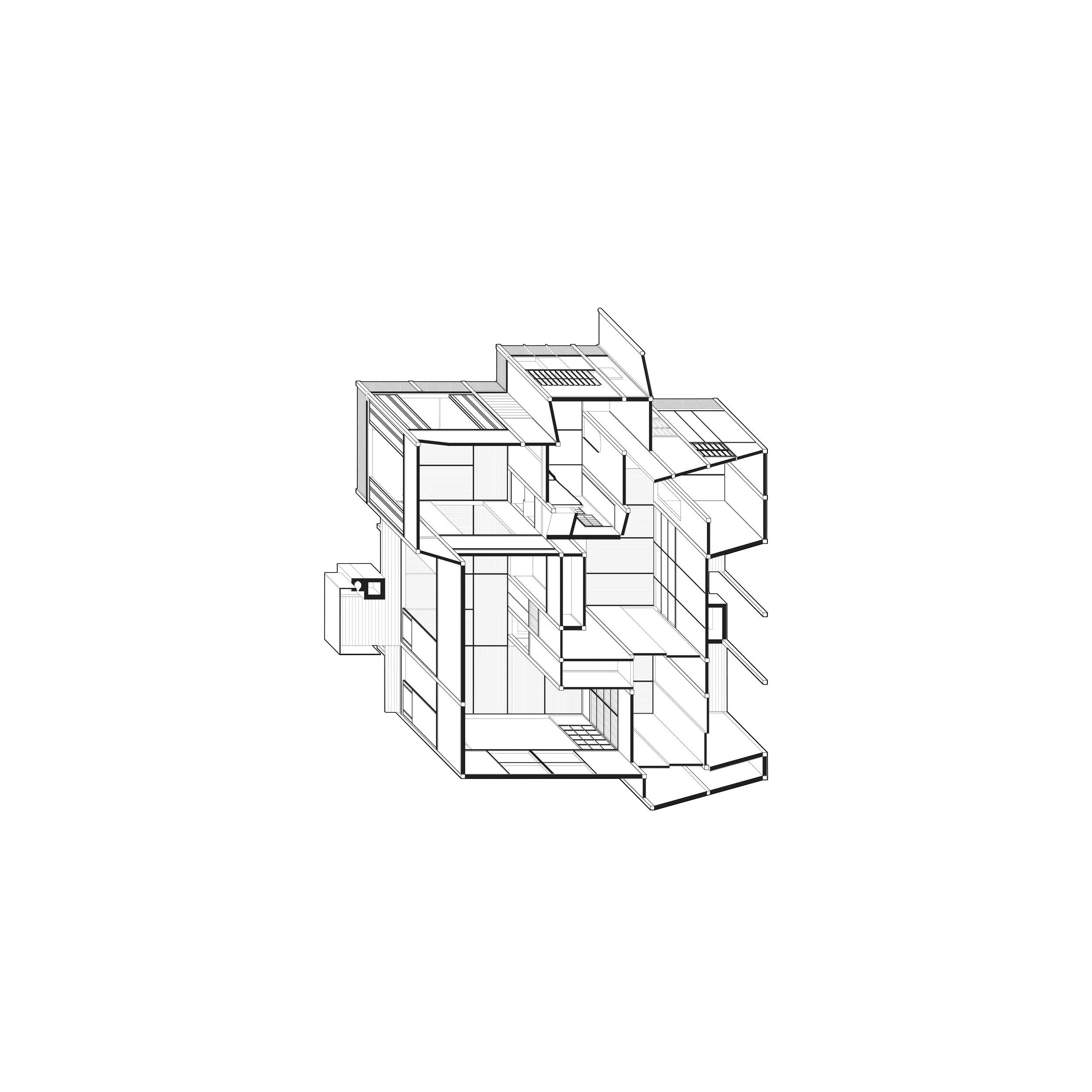
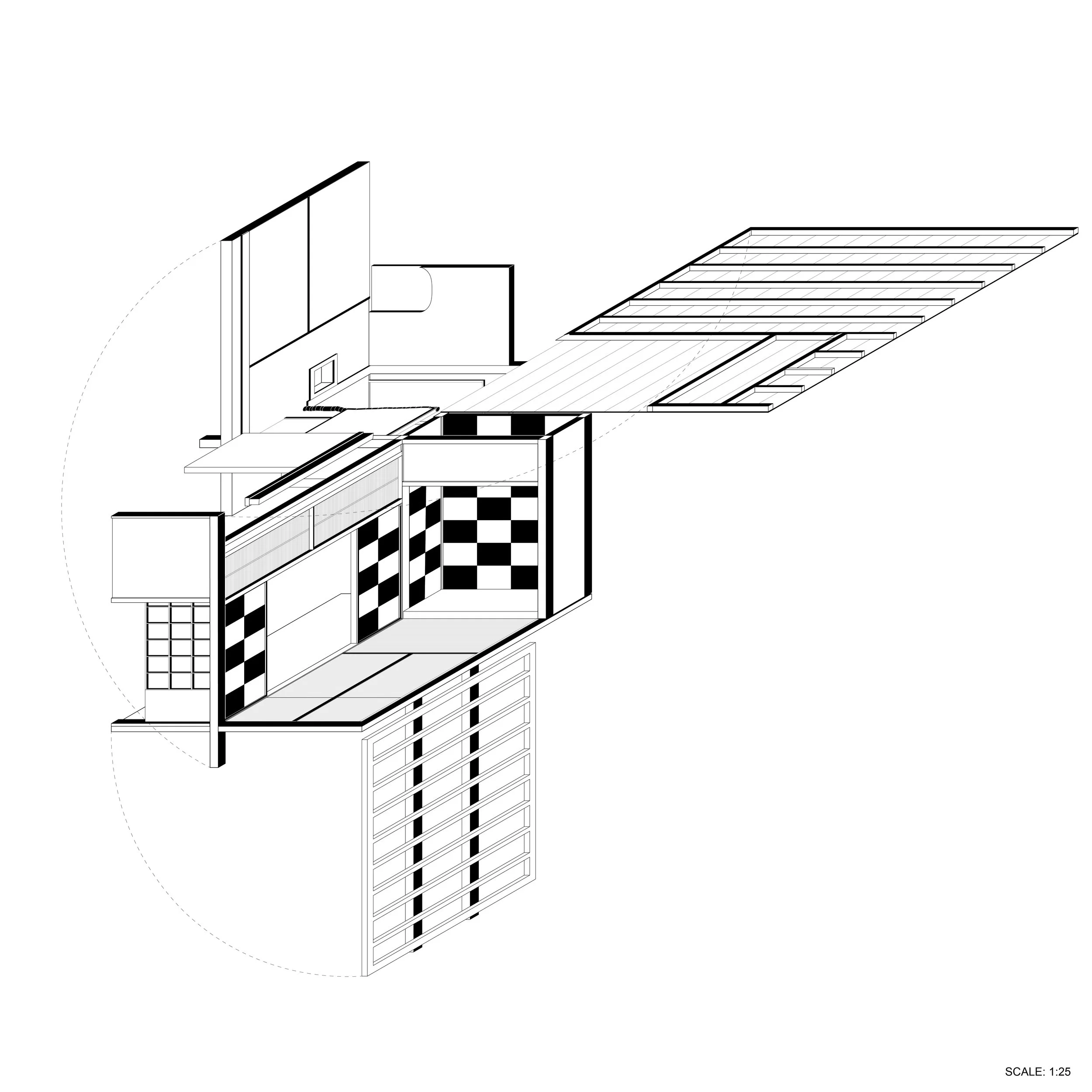
SPATIAL COMPOSITION HIGHLIGHTING CHECKERED PATTERN
SECTION OBLIQUE
WORM’S-EYE OBLIQUE
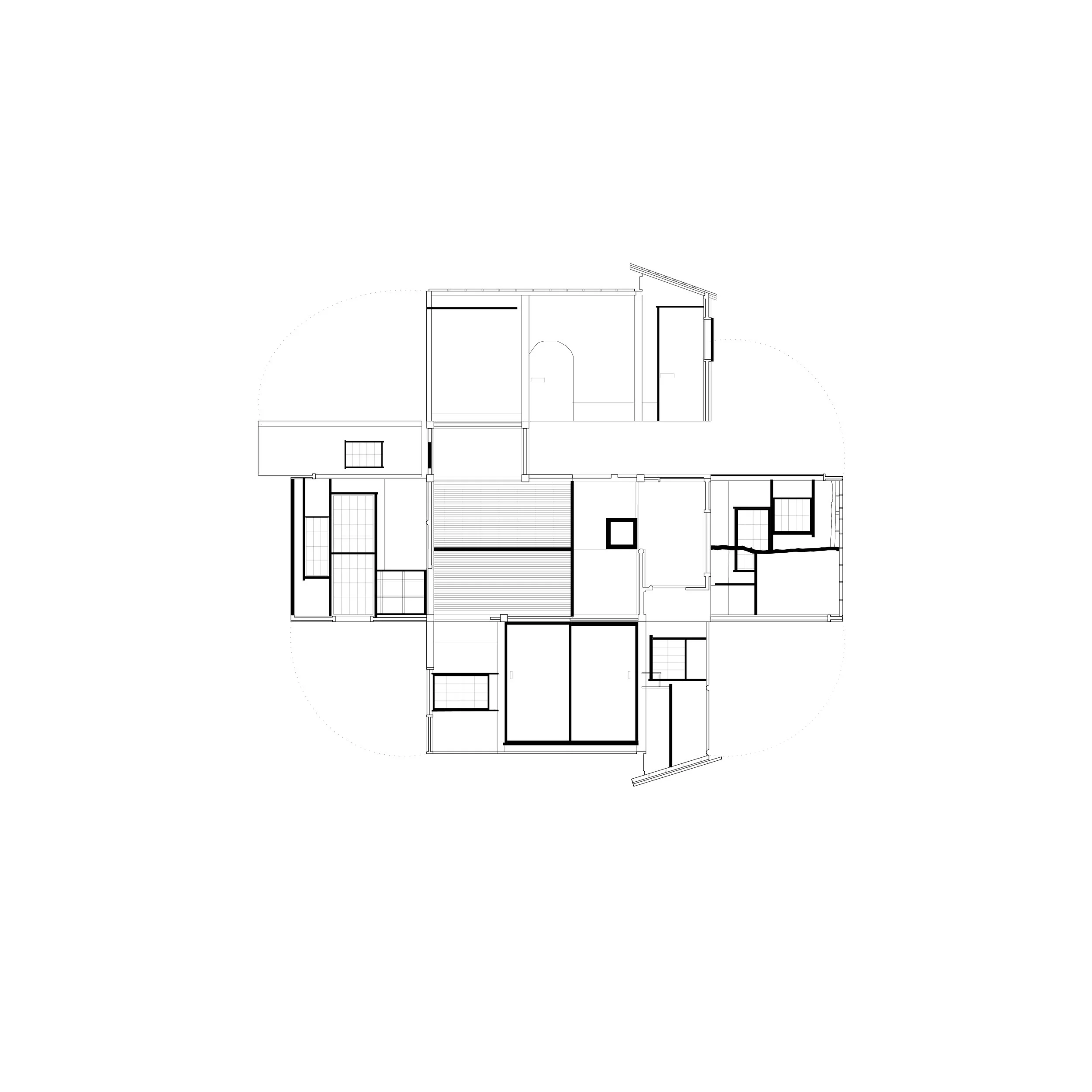
UNFOLDED PLAN
MULTI-SCALAR COMPOSITE DRAWING